Students Urge Banks to Monitor Capital Outflow From Serbia
The appeal went to domestic and international banks and their parent institutions, covering public-fund payments. No reply from the banks or the National Bank of Serbia has been published.
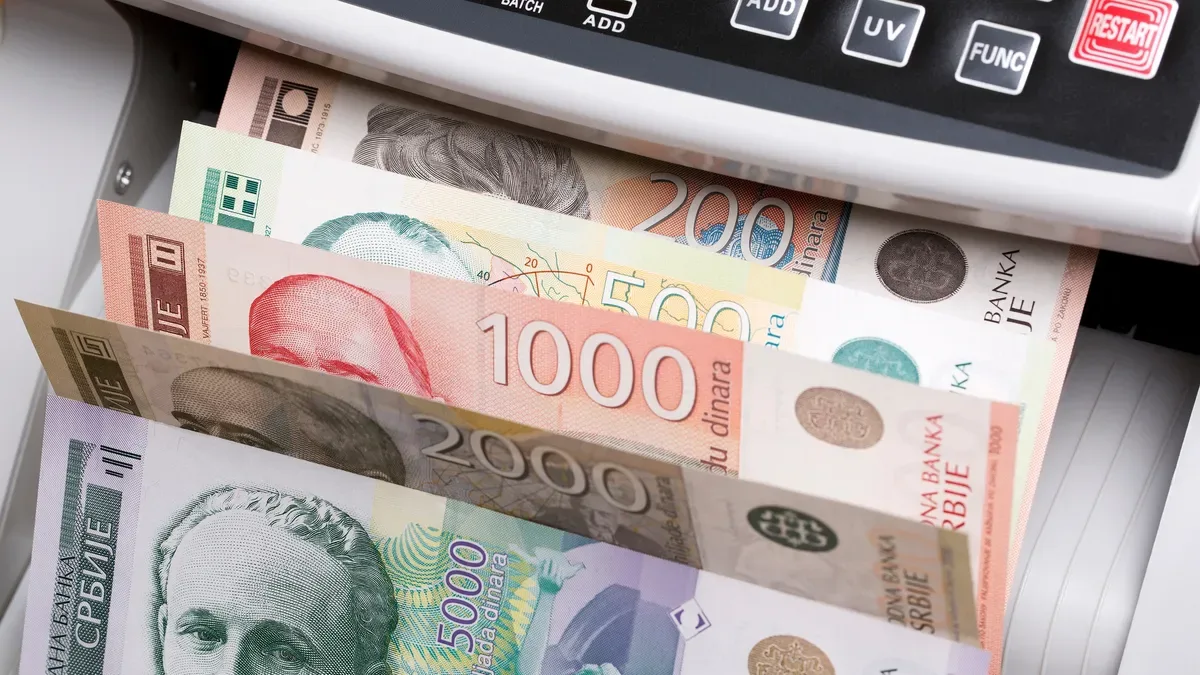
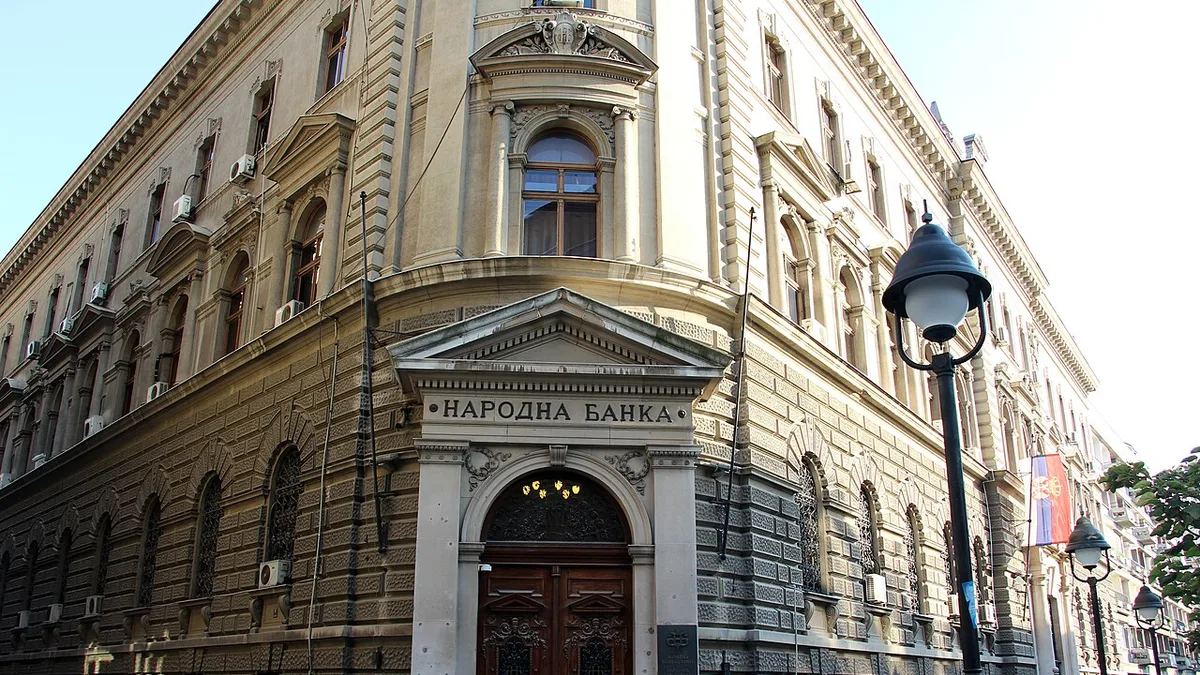
Late on the evening of October 31, students issued a public appeal calling on all domestic and international banks operating in Serbia, along with their parent institutions, to tighten oversight and control of cross-border financial transactions and of any capital outflow from the country. The students call the period the appeal refers to a democratic transition of power.
The sources differ on who signed the appeal. N1 names Students in Blockade as the author, while Danas names the “Studenti pobedjuju” student list and embeds a post from the Instagram account @studenti_u_blokadi. Both names therefore appear here. The Association of Serbian Banks, the National Bank of Serbia and individual banks have not published a reply to the appeal in those reports.
What exactly are the students asking banks to do?
The appeal centers on international payments that involve public money. As N1 reports, Students in Blockade said:
“We particularly appeal that international payments, especially those involving public funds, state-owned enterprises and public institutions, be carried out strictly in accordance with applicable regulations, with proper documentation, proof of the basis for payment and fulfillment of contractual obligations.”
Danas reports that the appeal was also sent to bank management and to the headquarters of international banking groups. According to the same report, the post states that the goal is not to restrict lawful business activity or to interfere with the independence of banks: “The goal is to preserve financial integrity, accountability and transparency during the transition period”.
The appeal closes with a statement that N1 presents as the students’ conclusion:
“We confirm our commitment to transparent, constructive and long-term cooperation with domestic and international financial institutions, with full respect for legal and regulatory frameworks. We believe the banking sector will continue to act in line with the highest standards of professional responsibility, in the interest of Serbia’s financial stability, its citizens and its international partners.”
How does the appeal connect to Alta Banka?
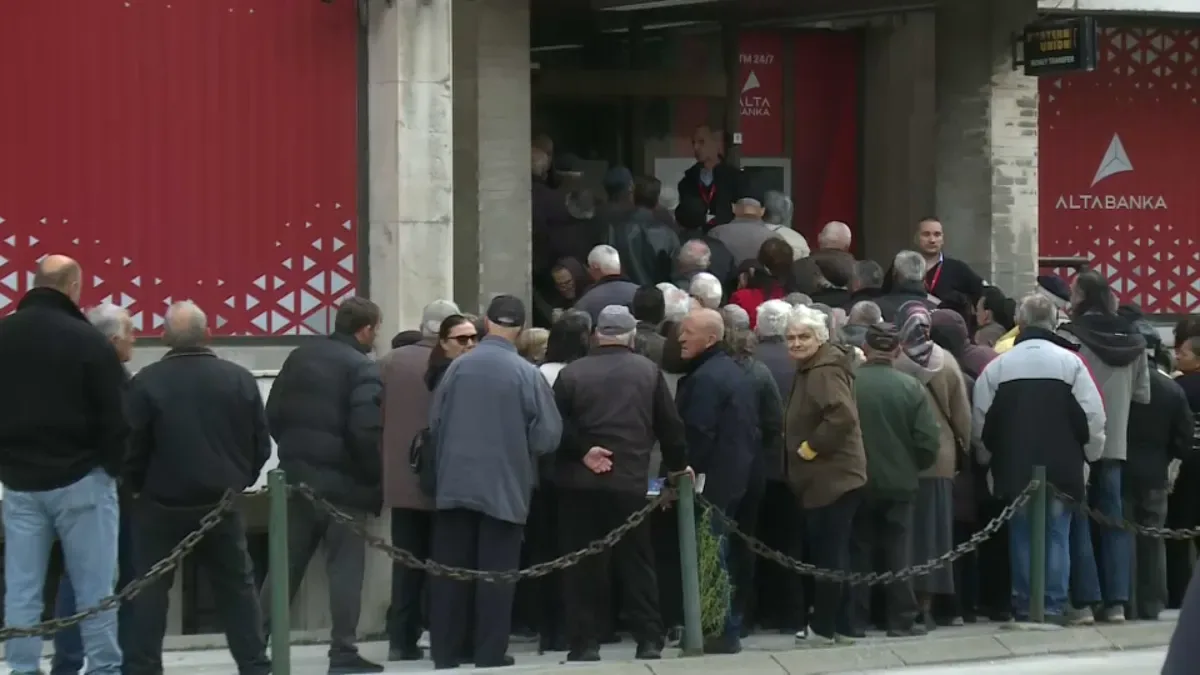
N1 also published, the same day, a separate statement from the Student Movement about Alta Banka. The National Bank of Serbia revoked that bank’s license on October 30, 2026, citing undercapitalization and illiquidity. We covered that earlier from the angle of the National Bank, TOK and depositors, in the article “Alta banka: TOK demands a review and accountability at NBS”.
In the statement, the students say Alta Banka reported a capital adequacy ratio of 17.92 percent in June 2026, more than double the legal minimum of eight percent. They ask how a bank with such indicators lost its license four months later, and on the role of the regulator they said:
“There are indications that this situation is the result of a lack of timely reaction by the regulator and the leadership of the National Bank of Serbia, headed by Governor Jorgovanka Tabakovic, as well as the failure of the prosecution to act and to freeze assets acquired through corruption.”
The reviewed reports do not carry a response from the National Bank or from Governor Tabakovic to these claims.
The students demand:
- a review of all major loans to related parties and of guarantees issued
- an explanation of the decision to move the collection of Elektroprivreda Srbije bills to Alta Banka from July 2025
- an independent analysis of the loan portfolio and publication of a timeline of the National Bank’s supervisory measures
- individual accountability, with penalties that, as they put it, reach 10 to 12 years in prison for the gravest forms of certain abuses
What did the students tell depositors?
Their five-point proposal covers stronger liquidity monitoring, National Bank support for solvent banks on liquidity, temporary measures for banks at risk, swift action by authorities and the prosecution, and regular updates to the public.
They also addressed depositors directly. The students say the guarantee fund of the Deposit Insurance Agency exceeds one billion euros, and on the measures imposed on Alta Banka they said:
“The measure that was issued prevents further irresponsible handling of the money of citizens and businesses and additional financial instability. In the coming days, legal steps need to be taken to ensure the stability of the financial system and to place Alta Banka under control, as well as to prevent this scenario at other banks. The money of citizens up to 50,000 euros is insured and will be paid out.”
The students add that, by their account, there are claims that payouts begin as early as November 2, and that official instructions on how and where to collect will be posted on the website of the Deposit Insurance Agency.