Croatia Confirms Serbian Border Police Contact on Bajakovo
Croatia's Interior Ministry told Net.hr that Serbia's border police contacted it through the joint Bajakovo-Batrovci service over cash being taken out of Serbia.
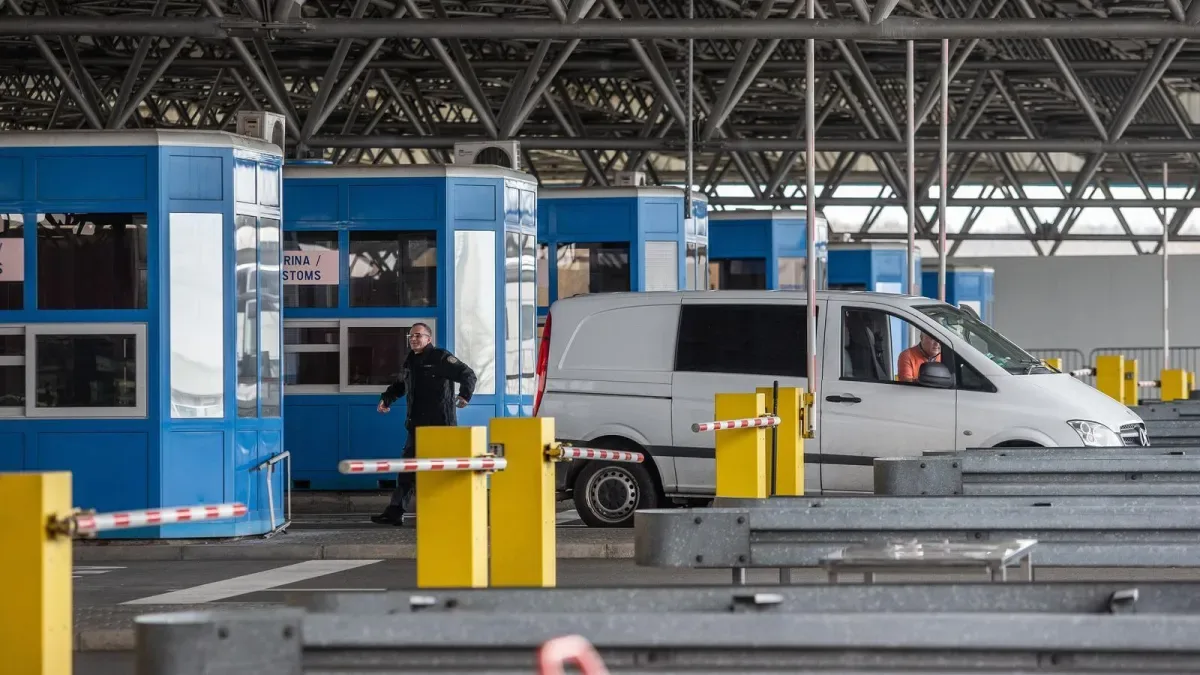
The question of money leaving Serbia has moved beyond domestic politics: the Croatian Interior Ministry confirmed to the portal Net.hr that Serbian border police contacted its border police over the possible illegal export of cash through the Bajakovo crossing. Net.hr published the story on November 7, and the Croatian side gave two separate answers about how its institutions acted, one from the police and one from the finance ministry.
What exactly did the Croatian Interior Ministry confirm?
The ministry told Net.hr that the contact went through the Joint Contact Service Bajakovo-Batrovci. Bajakovo is one of the busiest border crossings between the two countries, and its counterpart on the Serbian side is Batrovci. The ministry described the contact this way:
“The Border Police of the Republic of Serbia contacted the Croatian side through the Joint Contact Service Bajakovo-Batrovci, in connection with activities being undertaken by their Border Police Directorate with the aim of preventing the illegal export of cash from the Republic of Serbia”
The quote is reproduced as Net.hr published it. It shows what was said and what was not: no amounts, no names, and no claim that anyone was stopped at the crossing.
What does the Croatian Finance Ministry say?
Croatia’s Finance Ministry told Net.hr that its Customs Administration has not acted on the matter so far, has not carried out any checks and has not passed information on to other Croatian or European bodies. The Croatian Interior Ministry explained that cash transfers across the border are primarily controlled by the Customs Administration, and that police step in when a criminal offense is suspected.
What is the situation in Serbia?
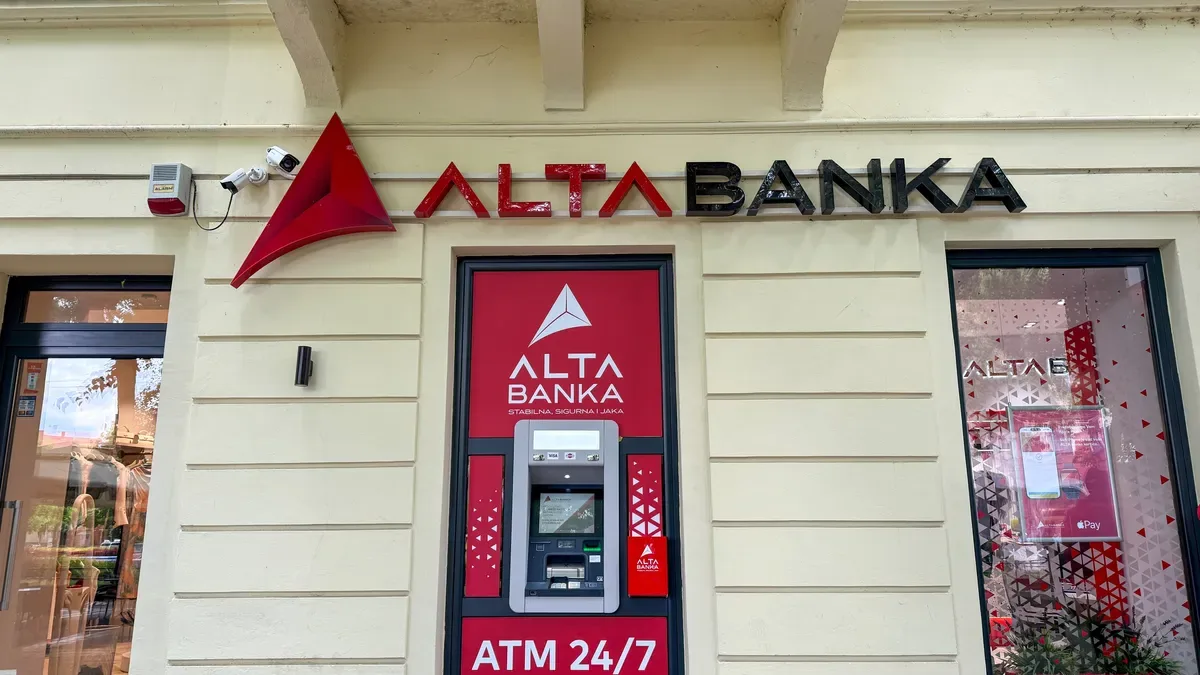
In the background, Net.hr mentions the political and financial turmoil in Serbia after the parliamentary elections and the case of Alta Banka, whose license was revoked and which is publicly linked to the possible transfer of large sums of money. The portal says that, according to unofficial information from Serbian media, the sums run to tens of millions of euros. No institution has confirmed the amount that allegedly crossed at Bajakovo. We covered the investigation into 370 million euros moved through Alta Pay earlier, in the article “Alta Banka: investigation into 370 million euros through Alta Pay”.
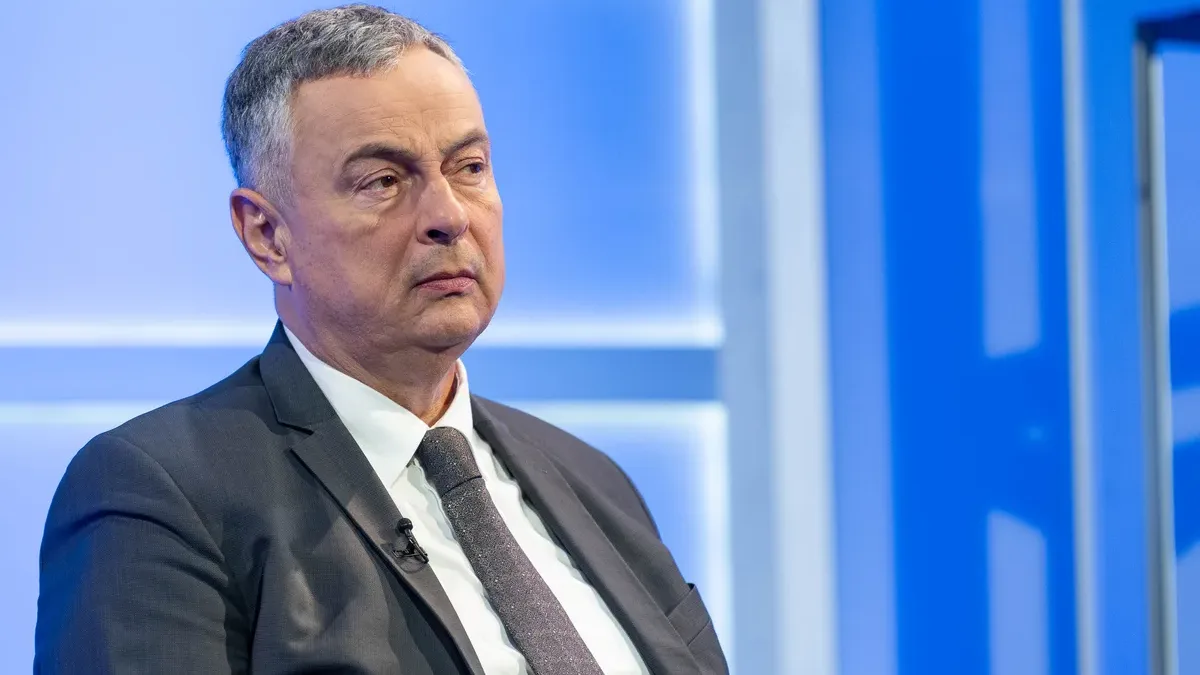
Net.hr also writes that Serbian prosecutor Goran Ilic had warned about the possibility of state money being taken out through Bajakovo. His warning is relayed in paraphrase, without a direct quote.
What are the rules for cash crossing the Croatian border?
European Union rules require cash of 10,000 euros or more to be declared both when entering and when leaving the Union, which also applies to travelers coming into Croatia from Serbia. The declaration is made to a customs officer, and the traveler must be ready to prove the money was obtained lawfully. Holding or carrying more than 10,000 euros is not illegal in itself. The problem arises when the money is not declared or when there are indications that it comes from a criminal offense.
In that case, according to the Croatian Interior Ministry, a criminal investigation is opened immediately, in coordination with:
- The State Attorney’s Office (DORH)
- The Customs Administration
- The Tax Administration
- The Anti-Money Laundering Office
In such cases the Customs Administration holds the money temporarily. If criminal proceedings are launched, the money can be temporarily seized as evidence, and a court decides its final fate.