Austria: Iran has an advanced nuclear weapons programme, Tehran denies
Austrian intelligence reported that Iran has an advanced nuclear weapons programme with long-range ballistic missiles; Tehran rejected the claim as 'false and unfounded'.

Austria’s Directorate for State Security and Intelligence, known by the abbreviation DSN, on Tuesday published its annual report with a finding that raised alarm in Vienna: Iran has “an advanced nuclear weapons programme involving long-range ballistic missiles capable of carrying nuclear warheads.” The report was released as Washington negotiates a memorandum of understanding with Tehran, a dynamic that for the Austrian public raised the question of whether Vienna has deliberately complicated the American-Iranian side of negotiations.
From Tehran, the Foreign Ministry on Tuesday evening, in a notice distributed through state media, rejected the Austrian report as “false and unfounded.” Iranian Foreign Minister Saidi Sharibi added the report is “an obvious attempt to create media noise against Iran.” From the Council of Ministers of the Republic of Austria, Interior Minister Gerhard Karner the same day said the DSN “is not under political control” and the report was produced “by the same methodological framework used over the past seven years.” Karner, in the same Servus TV interview, called on “European partners to engage in the analysis of the intelligence data.”
What exactly does DSN’s report say?
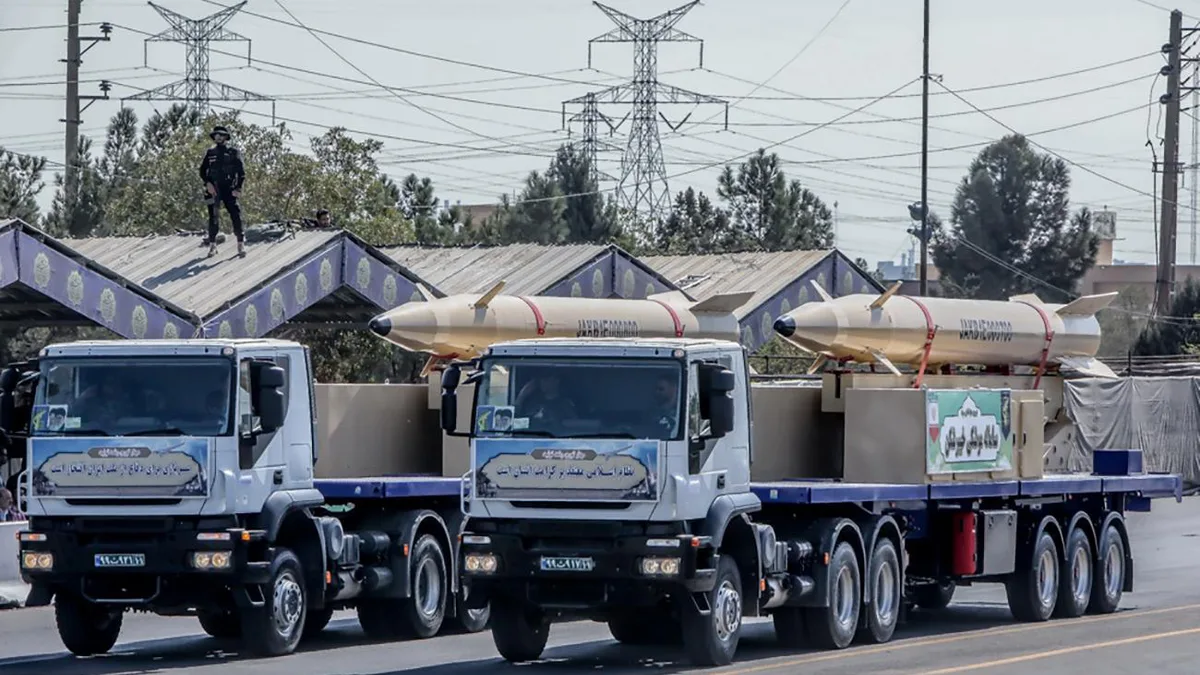
The DSN, headquartered at Ringstrasse 7 in Vienna, in its 124-page report at section 4.3 said that Iran’s nuclear infrastructure has, over the past 18 months, made “a significant qualitative shift.” Three elements stand out: first, active refurbishment of centrifuges at the Natanz facility with production of the IR-9 model, twelve times more productive than the IR-1. Second, the fabrication of a simulation plate for an experimental implosive design at a covert location north of Esfahan, a development that has not previously appeared in the history of the Iranian programme. Third, integration of the Shahab-5 ballistic system with a new guidance system that would enable a target of more than 4,000 kilometres, enough to reach all of Europe.
From Brussels, EU High Representative Kaja Kallas told a press conference at EU headquarters on Tuesday that she is in contact with Austrian Foreign Minister Alexander Schallenberg and that the EU would “seriously consider” the intelligence findings. From Berlin, Chancellor Friedrich Merz at the Bundestag on Tuesday evening said the Austrian report would “be considered within the E3 mechanism” with France and the United Kingdom. From Paris, French President Emmanuel Macron, in a statement at the Foreign Policy Council session held at the Elysee, expressed support for the Austrian DSN but stressed that “information on the nuclear programme must be corroborated by other intelligence services.”
What this means for US-Iran talks and the Strait of Hormuz
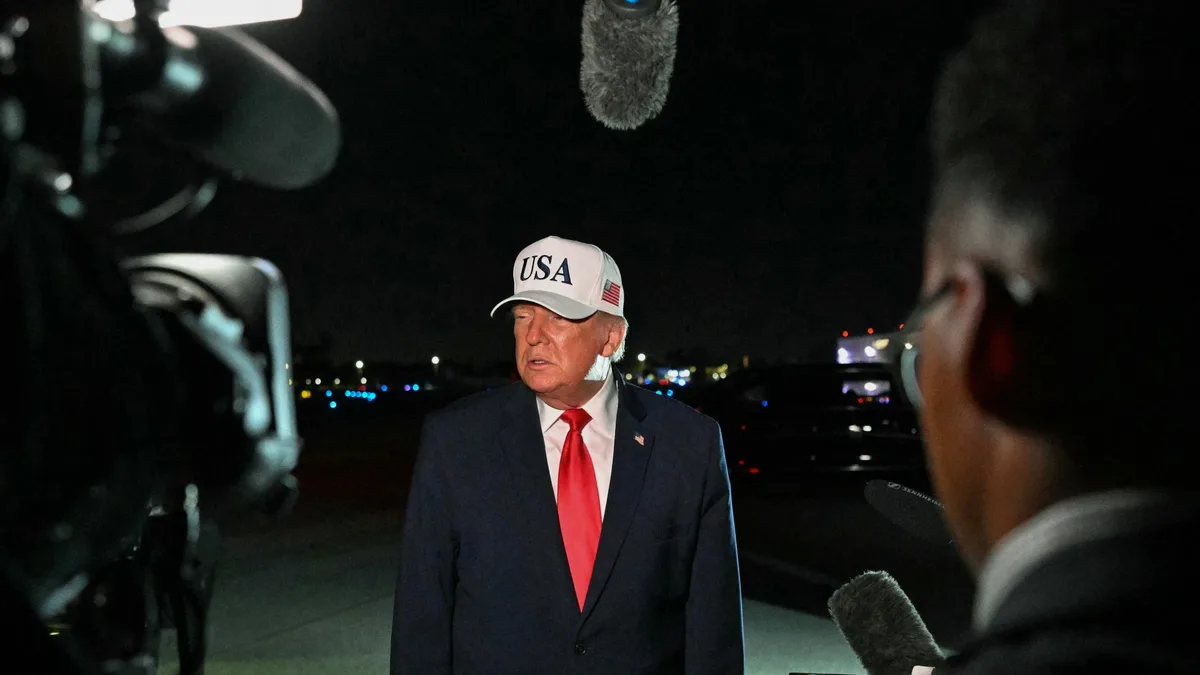
The timing of the report is problematic for the US-Iran talks in Muscat, which could conclude in the first half of June. The Iranian delegation in Muscat, still led by Deputy Foreign Minister Majid Takht-Ravanchi, now has an extra reason to highlight to negotiators the lack of international trust, an unfavourable position for Tehran. From Washington, Trump on Tuesday evening told reporters at the entrance to Mar-a-Lago that he “has confidence in the Austrian partners but is not drawing conclusions before all the intelligence is on the table.”
For Serbia, with its embassy in Vienna a primary venue for multilateral talks on energy and security, the Austrian report opens two questions. First, whether prospective transport of Iranian oil across the Mediterranean could land on the EU’s 16th sanctions list, which Brussels has announced for the end of June. Second, whether NIS’s oil partners, an indirect but real channel, could end up in trouble through links with Iranian intermediaries. From Serbia’s Foreign Ministry, Minister Marko Djuric on Tuesday did not comment directly on the Austrian report, but in a brief statement to RTS said Serbia is “in continuous dialogue with Vienna and other European partners on regional security questions.”
The next round of formal talks in Muscat is scheduled for Friday May 30, with an expert meeting on Wednesday May 28 local time.