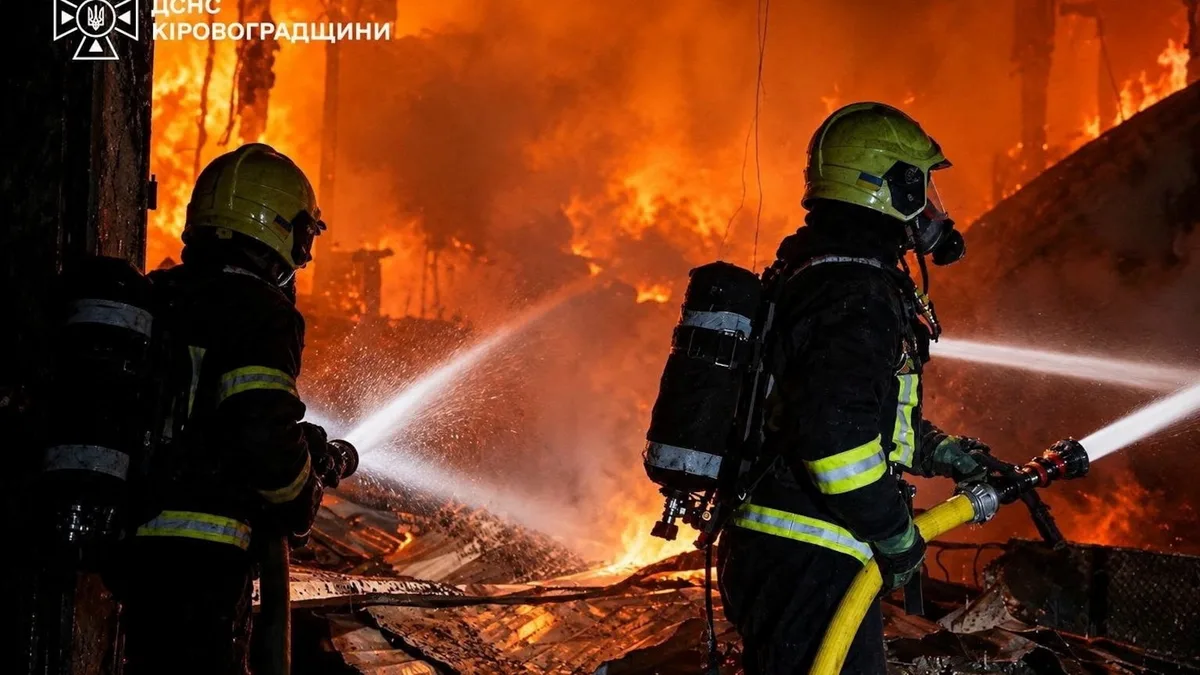
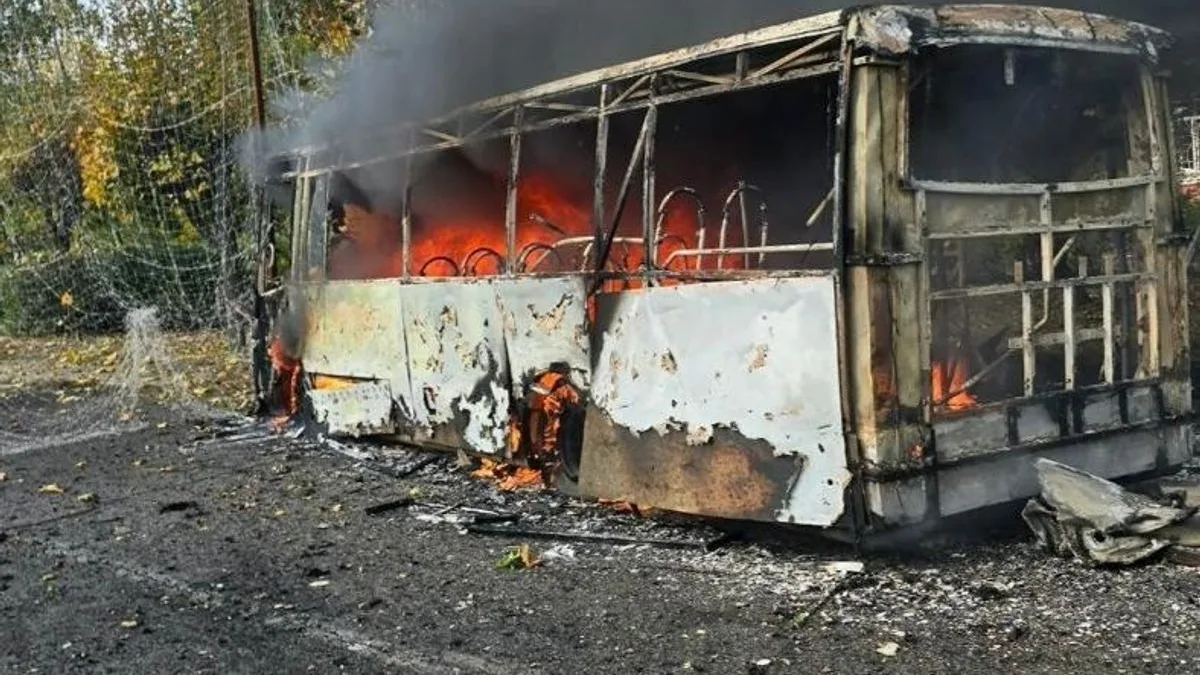
Kyiv under 690 projectiles: Russia uses Oreshnik, 87 injured in the capital
Russian forces launched 90 missiles and 600 drones on Ukraine overnight May 24-25, with a nuclear-capable Oreshnik missile used for the third time in the war; the wounded in Kyiv rose to 87, with 300 sites damaged across the capital.

Kyiv was, overnight May 24-25, the target of the largest combined missile and drone strike since the start of the full-scale war, with a total of 90 missiles and 600 drones launched by the Russian military in an operation lasting several hours that hit nearly every district of the Ukrainian capital. The number of injured rose by Tuesday morning to 87, and Kyiv recorded about 300 damaged sites, including 150 residential buildings, according to an official statement from the Kyiv City State Administration.
For Serbia, which holds a neutral position on UN resolutions but participates concretely in European humanitarian assistance to Ukraine, every front-line escalation simultaneously deepens Brussels’ pressure on the domestic foreign-policy debate about alignment with the sanctions regime against Russia. According to the European External Action Service, Serbia recorded alignment with the EU’s Common Foreign and Security Policy of 64 percent in 2026 to date, below the average for other candidate countries and a topic Enlargement Commissioner Marta Kos will raise at the Tivat summit on June 5.
Ukrainian President Volodymyr Zelensky confirmed to reporters that Russia in this attack used for the third time the nuclear-capable medium-range Oreshnik missile, introduced into operational use at the end of 2024 and which, according to Ukrainian intelligence, reaches roughly Mach 10 at impact. Putin on Sunday, one day after the Ukrainian drone strike on the Starobilsk military school in Russian-occupied eastern Ukraine, ordered the Russian military to carry out a retaliatory response, which the Kremlin framed as an “inevitable warning” to Kyiv.
Ukrainian counter-pressure and domestic drone production
Ukrainian air defences neutralised 246 of the 262 drones Russia launched in the same window, according to the Ukrainian Ministry of Defence. Domestic drone production, which last year exceeded 3.5 million units, has strengthened segments of a strategy the General Staff in May described as “gradually raising the cost the Russian military pays for every square kilometre of advance.” In the most recent week from May 12 to 19, Russian forces recorded a net loss of 29 square miles of Ukrainian territory.
Ukraine’s Security Service on Monday struck a Russian oil pumping station in the Vladimir region, which supplies the Moscow region and major airports of the Russian capital with fuel. Sergei Naumov, senior researcher at the ETH Zurich Center for Security Studies, in a brief analysis for the weekly Le Monde judged that “Ukrainian doctrine is shifting from a defensive model to one of systemic destabilisation of Russian military logistics,” with a focus on hitting infrastructure that indirectly feeds the fronts.
Brussels and Berlin step up deliveries, Washington more withdrawn
Brussels through May has strengthened the package of dual-use technologies reaching Kyiv via the European Peace Facility, focused on electronic warfare and front-monitoring systems. EU High Representative Kaja Kallas announced on Monday an extraordinary session of the Foreign Affairs Council in Brussels ahead of the Tivat summit, calling on member states to contribute to a five-billion-euro package to reinforce Ukrainian air defences by the end of June. French President Emmanuel Macron and Commissioner Kos condemned the Oreshnik strike as “an attempt at militaristic blackmail,” reports France 24.
Berlin, under Chancellor Friedrich Merz’s government, already provided 11.5 billion euros for continued aid to Ukraine in the 2026 budget, with consideration of an additional three billion by year-end, according to German Defence Minister Boris Pistorius. Washington, after Donald Trump’s return to office, has moved to a model of facilitated commercial weapons procurement contracts that Kyiv pays for from European sources, granting Ukraine more operational autonomy in choosing systems and suppliers, but reducing medium-term predictability.
The next diplomatic date is May 27
The next concrete date is the informal meeting of EU foreign ministers in the Gymnich format, held on May 27 and 28 in Limassol, Cyprus, where Kaja Kallas will open the debate on continued deliveries to Ukraine and on the response to the latest escalation. Belgrade, according to the Ministry of Foreign Affairs, will at the Tivat summit repeat its call for negotiations starting from internationally recognised borders, a formulation that preserves neutrality but does not move away from the Brussels position.
How do you think Belgrade should respond to this attack: deepen alignment with Brussels’ position or stay on the current line?