Russia signals new wave of Kyiv strikes, diplomats begin evacuation
Moscow said on Tuesday morning the next wave of systemic strikes against Ukraine's capital will hit within 72 hours, prompting foreign embassies to evacuate non-essential staff.

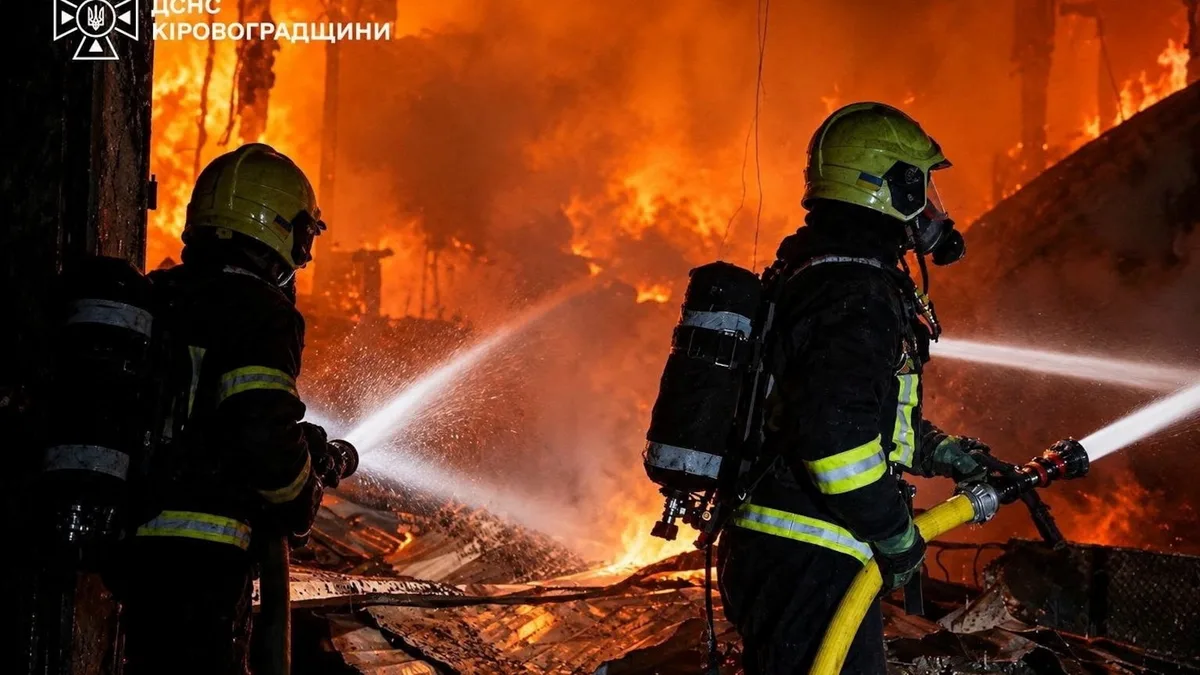
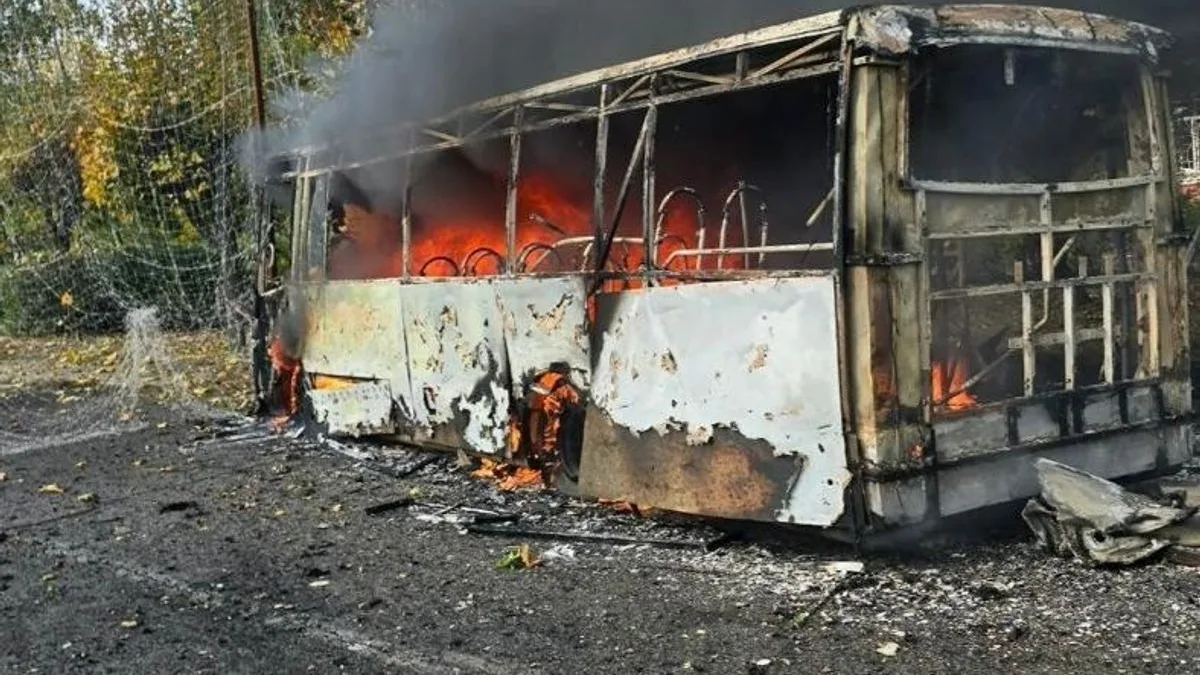
The next 72 hours in Kyiv could be, according to a statement issued by the Russian Defence Ministry on the evening of May 25, the hardest in the history of the war with Ukraine. Moscow said in the statement that a “third phase of systemic strikes” against the Ukrainian capital is underway, focused on energy and transport infrastructure. The announcement came two days after the May 23 strike on Kyiv, in which three people were killed and 92 wounded, and a five-storey residential block in the Solomianskyi district was destroyed. For Serbian readers, particularly Belgrade residents who spent the winter heated by Russian gas routed through Hungary, this phase of the war carries indirect but concrete economic consequences.
In the May 23 attack, according to estimates by the Ukrainian General Staff, Russia fired 690 missiles and drones, a record over the 39 months of the war. The General Staff also said the salvo included one Oreshnik hypersonic missile, the third use of the weapon since the war began. Ukrainian air defences, according to the same source, intercepted 87 percent of the projectiles, but the remaining 13 percent caused enormous material damage. The next round of strikes, as Moscow announced, is planned between May 26 and 29, a period that includes Pentecost in the Ukrainian Orthodox calendar.
What is behind the new phase of strikes?
The Russian General Staff said in the same statement that the new phase is a response to what it described as a “deliberate Ukrainian attack” on a student dormitory in Starobilsk, in the Russian-controlled part of Luhansk Oblast, on Friday May 22. According to the Russian side, three students were killed. Kyiv rejected the claim, saying “Ukrainian forces do not target civilian sites” and that the report is part of a Russian propaganda campaign ahead of negotiations. UN Secretary-General Antonio Guterres, speaking to reporters in New York on Tuesday evening, called on both sides to “refrain from further escalatory moves” and stressed that “civilian structures must be excluded from military targeting.”
In Brussels, EU foreign policy chief Kaja Kallas told the opening of the Foreign Affairs Council on Tuesday that the EU “will adopt the sixteenth round of sanctions against the Russian Federation by the end of June,” focused on the banking system and the oil logistics network. In Berlin, Chancellor Friedrich Merz said the same day that Germany is prepared to increase budget support for Ukraine from 10 to 15 billion euros, a proposal that, per the Bundestag schedule, will be debated next week. From Paris, French President Emmanuel Macron told a session of the Foreign Policy Council that “the French position on securing Kyiv will need separate consideration.”
How this hits Serbia and the region
For Serbia, if the escalation proceeds as Moscow announced, the key question is the continuity of energy deliveries from the Russian Federation via Hungary. Under the gas agreement Serbia signed with Gazprom in May 2025, Belgrade receives the lowest price in Europe via Hungary, on a formula guaranteeing stable supply through May 31, 2027. An economic analysis published by the Institute of Economic Sciences in May indicates that a cutoff, of the kind escalation with unpredictable consequences for Russian exports could trigger, would cost the Serbian economy roughly 1.2 billion euros by year-end, or about 1.7 percent of GDP.
Diplomatic missions in Kyiv began evacuating non-essential staff on Tuesday evening. According to Reuters, citing five European embassies, the evacuation covers about 200 people, most of them cooks, drivers and administrative support. The most senior diplomats, ambassadors and their deputies, are staying in Kyiv. Serbian Foreign Minister Marko Djuric told RTS on Tuesday evening that “the Serbian embassy in Kyiv is operating at full capacity” and is “in daily contact with Serbian citizens living in Ukraine.”
In Washington, Secretary of State Marco Rubio told Fox News on Tuesday that he had spoken with Russian Foreign Minister Sergei Lavrov, delivering the message that “escalation must end immediately.” Rubio did not specify whether the call was initiated by Washington or Moscow, but said the issue “will be raised at the next Trump-Putin meeting,” which on unofficial information could take place in Helsinki in the second half of June.