US Orders Staff Out of Iraq as Iran Threatens Bases
The State Department ordered non-essential staff to leave its Iraq mission and the Pentagon approved a voluntary departure for military families across the Gulf, as Tehran warns all US bases are within range.

- On June 11, the State Department ordered non-essential government staff to leave the Iraq mission, with personnel in Baghdad barred from using the airport.
- The Pentagon approved a voluntary departure for military family members and non-essential staff from Bahrain and Kuwait.
- Iranian Defense Minister Aziz Nasirzadeh warned that all US bases are within range.
- Brent crude jumped toward $95 a barrel on fears of a supply disruption.
Washington on Wednesday, June 11, ordered non-essential government staff to leave its diplomatic mission in Iraq, while the Pentagon simultaneously approved a voluntary departure for military family members and non-essential personnel from bases in Bahrain and Kuwait. The State Department barred staff remaining in Baghdad from using the airport, a measure imposed only when a security assessment deteriorates sharply. For Serbia, which imports fuel and petroleum products at prices set on the world market, this is no distant story: every fresh spike in the price of a barrel reaches the pumps in Belgrade and Novi Sad within weeks.
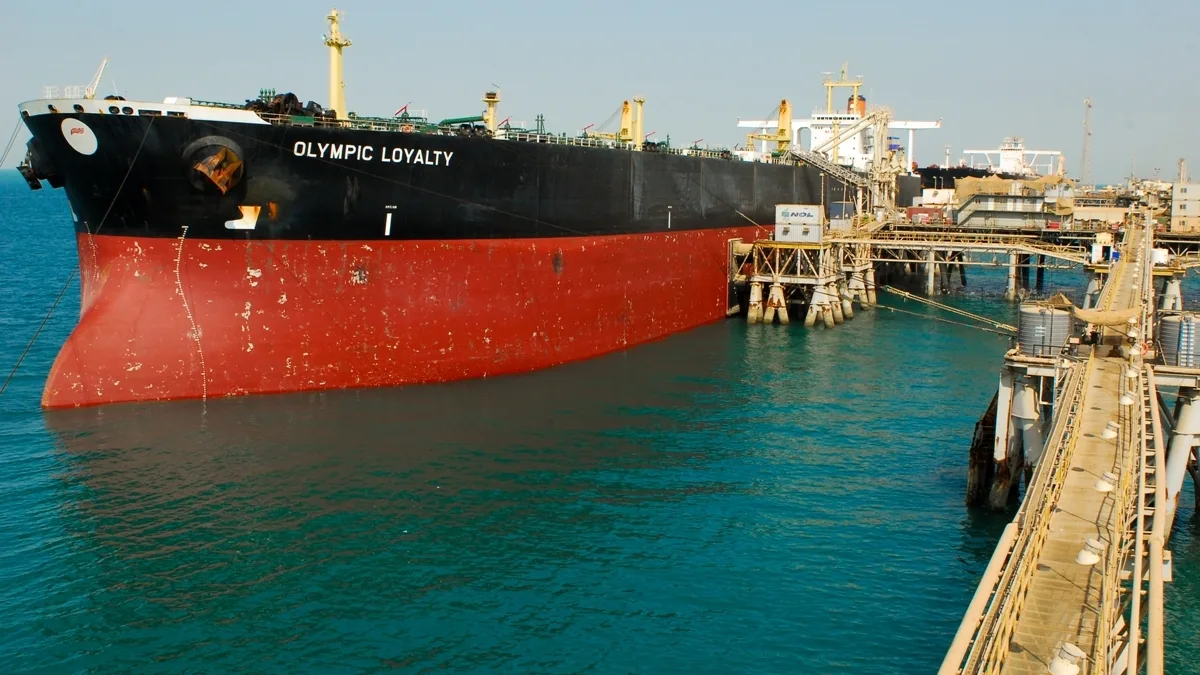
The American move followed two consecutive nights of US strikes on Iranian targets and Tehran’s announcement that it was closing the Strait of Hormuz, the narrow maritime chokepoint through which a fifth of the world’s traded oil passes. The escalation has thus shifted from isolated incidents to systematic preparation for a possible wider conflict, and the withdrawal of staff is a clear signal that Washington is reckoning with the prospect of an Iranian response against US bases in the region.
Why is the US pulling staff out now?
An ordered departure of non-essential staff is a standard but serious diplomatic instrument: a state uses it when it judges that it can no longer guarantee the safety of its representatives in the usual way. The fact that the measure covered both diplomats in Iraq and military families in the Gulf at the same time shows that Washington does not see the threat as a local incident, but as a risk stretching across the entire region around the Persian Gulf.
The immediate trigger was a series of direct threats from Tehran. Iranian Defense Minister Aziz Nasirzadeh sent a message that leaves no room for ambiguity:
All American bases are within our range, and we will boldly strike them in their host countries. (Aziz Nasirzadeh, Defense Minister of Iran)
The statement changes the calculation because it includes the countries hosting US bases, from Iraq to the Gulf, which would then find themselves in the line of fire against their will. That is precisely why Baghdad, Manama and Kuwait have become the points where the escalation is measured first, rather than a remote front.
What this means for oil and Europe
The market reacted almost instantly. Brent crude climbed toward $95 a barrel, driven by fear of a supply disruption rather than any actual halt in deliveries. This is a typical pattern: a threat to Hormuz and to US bases moves the price before a single tanker is stopped, because investors price in the risk ahead of time. Europe, entering the summer season of higher fuel consumption, absorbs that shock without the cushion of any oil cartel, and Serbia as an importer takes whatever price the world market dictates.
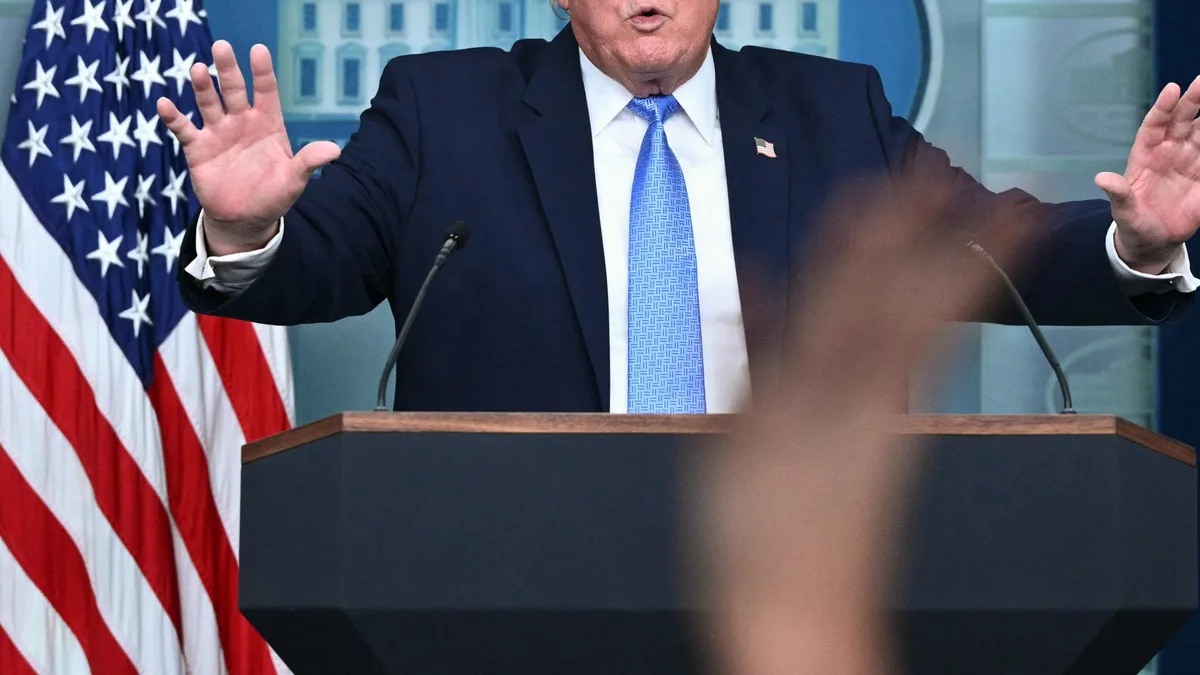
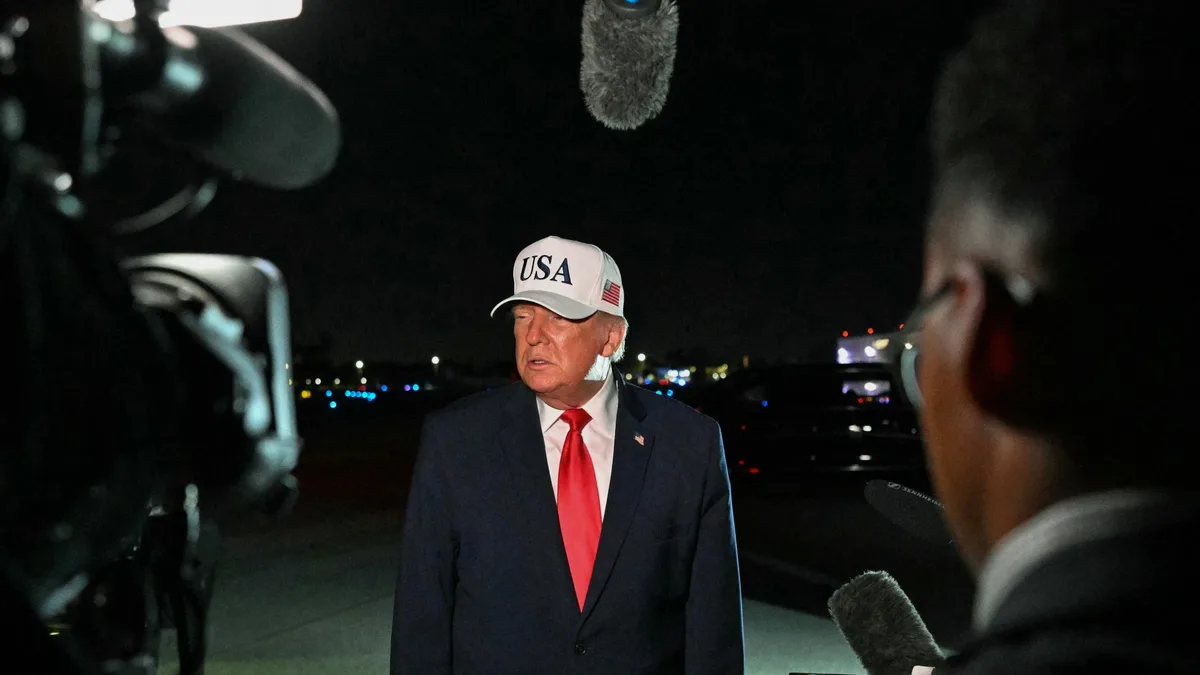
Diplomatic room is narrowing at the same time. US President Donald Trump admitted that he is increasingly unsure a deal with Iran limiting uranium enrichment will be reached.
I thought they would, but I’m less and less sure of it. (Donald Trump)
That casts doubt on the last clear channel for de-escalation. European governments are watching closely to see whether Iran’s threats will be translated into real moves or remain a tool of pressure, while fuel prices already feel the weight of uncertainty. How much are you willing to pay for a liter of fuel if tension around Iraq and Hormuz lasts through the end of summer?