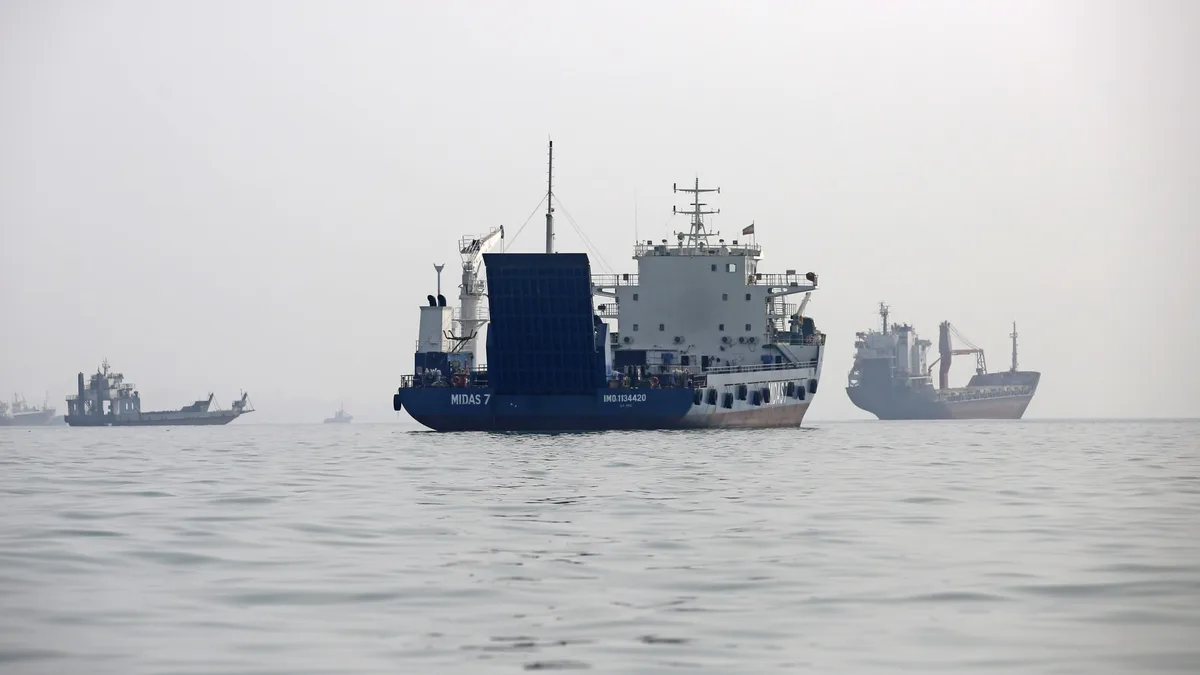
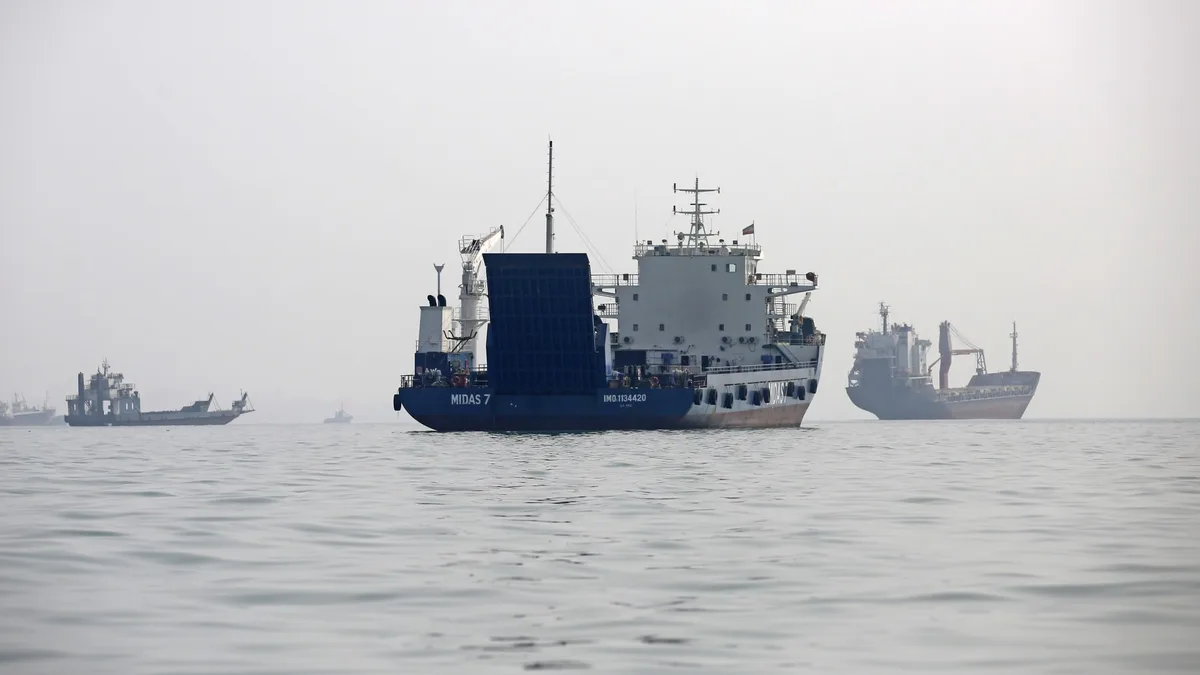
Evacuation begins for 11,000 sailors stranded in Hormuz
The International Maritime Organization has launched an operation to extract more than 11,000 seafarers trapped in the Persian Gulf since the February strikes on Iran, with Tehran and Washington cooperating.

- The International Maritime Organization announced on June 23 the evacuation of roughly 11,000 seafarers from the Strait of Hormuz region.
- The operation is being carried out with Iran, Oman, the United States and other coastal states in the region.
- Ships have been stranded in the Persian Gulf since the US and Israeli strikes on Iran on February 28.
- Tehran and Washington have agreed on a direct communication line for the strait, a rare diplomatic channel between the two sides.
For a country like Serbia, which imports nearly all of its oil and whose budget tracks the price of a barrel on global exchanges, news that ships are finally leaving the Strait of Hormuz is not a distant maritime story but a question of fuel prices at the pump in the months ahead. The International Maritime Organization, the United Nations agency based in London, said on June 23 that it was launching an operation to evacuate more than 11,000 seafarers stranded in the Persian Gulf since the war began in late February.
The agency’s secretary-general, Arsenio Dominguez, said the operation was being conducted in close cooperation with Iran, Oman, the other coastal states in the region, the United States and the maritime industry. Tankers and cargo ships have been trapped in the Gulf since the US and Israel struck Iran on February 28, when Tehran effectively closed the strait and triggered one of the largest oil-supply disruptions in recent history.
How the strait became a trap for thousands of sailors
The Strait of Hormuz is a narrow maritime passage between Iran and Oman through which nearly a fifth of the world’s oil passes every day. When Iran, responding to the strikes, began hitting commercial vessels and mining parts of the passage, traffic collapsed. US Secretary of State Marco Rubio told Congress in early June that Iran had mined large segments of the strait, leaving the shipping lanes under the earlier traffic separation scheme unsafe.
The result was that crews remained on board for months, with no clear exit and dwindling supplies. The evacuation followed the signing of a memorandum between Washington and Tehran, which both sides present as a step toward restoring maritime safety. Vessels can now leave the strait through corridors north and south of the previously used route, and according to ship-tracking services, the number of transits nearly tripled over the previous weekend compared with the week before.
Why the Tehran-Washington phone line is a tectonic shift
The least noticed yet perhaps most important part of the deal is the establishment of a direct communication channel. Iranian parliament speaker Mohammad Bagher Ghalibaf said the parties had agreed to open communication lines to keep the strait passable and to avoid misunderstandings that could escalate into a fresh conflict. Between two states with no diplomatic relations, such a phone line is a rare and delicate diplomatic instrument.
From a European vantage point, and therefore for Serbia on its European path, stabilizing the Gulf means more predictable energy prices and less pressure on the inflation that spilled into the domestic market through the spring. A multilateral framework in which a UN agency coordinates the operation while two regional rivals keep a line open shows that even in the most flammable corner of the Middle East a functional diplomatic channel can be found when a common interest is at stake. The question that remains for the reader is whether this fragile communication will survive the next incident in the strait, or whether the barrel will spike again before the last ship sails out?