Iran, Gulf States to Discuss Hormuz in Oman on Monday
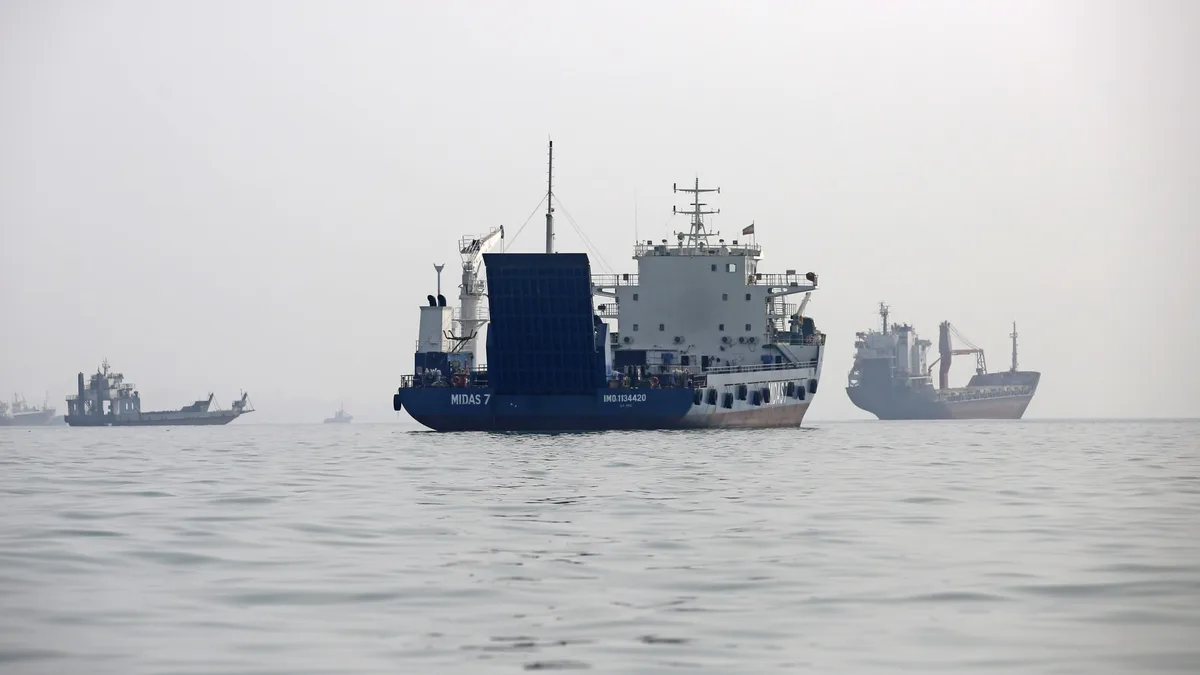
Iran's Foreign Ministry has announced a meeting with six Gulf countries and Iraq in Oman on Monday about safe shipping through the Strait of Hormuz, which Tehran has blocked since late February.

Iran’s Foreign Ministry has announced that a regional meeting on shipping through the Strait of Hormuz, the waterway that carries about one fifth of the world’s oil supply, will take place in Oman on Monday, September 14. The price of a barrel had already climbed past $100 earlier this week, and the resulting rise in energy costs is being felt by every oil importer, Serbia included, since its economy depends on imported crude and refined products.
Iranian Foreign Ministry spokesman Esmail Bagai said on Friday, September 11, that the meeting would bring together the foreign ministers of the six Gulf Cooperation Council countries along with representatives of Iraq. A ministry statement carried by the state broadcaster IRIB said the goal of the talks was to:
“foster better understanding among the countries of the region and help strengthen the region’s collective security.”
Bagai also had a short message for Iran’s Gulf neighbors:
“Iran remains committed to ensuring safe navigation through the strait.”
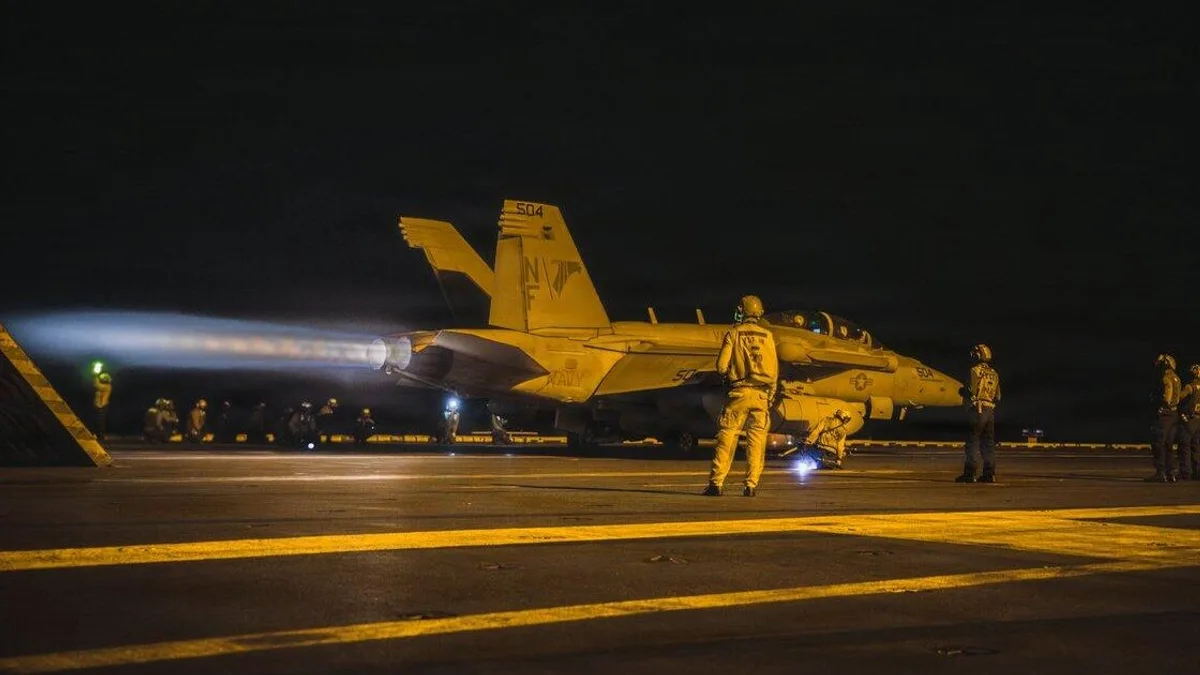
The meeting in Oman would be the first time senior diplomats from the six Gulf states and Iran have sat down together since February 28, when the United States and Israel began military strikes on Iran. Tehran shut down Hormuz shortly afterward, and Washington responded with a naval blockade of Iranian ports that remains in place today.
What will be discussed
Monday’s agenda will also cover the outcome of talks Tehran has been holding with Muscat for weeks. Last month Iran and Oman agreed on a temporary shipping corridor, a mine clearance procedure, and short term management of traffic through the strait. That arrangement is now being widened into a broader format, with the remaining five Gulf states and Iraq being invited to join Oman at the table.
Al Jazeera’s Tehran correspondent, Sinem Koseoglu, said Iran is giving the Hormuz talks a broader political framing precisely by inviting the other countries of the region. According to her, Iranian officials had previously argued that regional issues, Hormuz above all, should be settled by regional actors, and the Foreign Ministry has now confirmed that ministers from the Gulf Cooperation Council states and Iraq will indeed attend the Oman meeting. She added that the negotiations are entering a second phase, since Iranian officials said earlier this week that the main framework for the temporary shipping corridor has already been agreed and is expected to be published soon. Monday’s meeting is therefore also the first opportunity to apply the framework worked out with Oman to the wider circle of Gulf states.
Pressure from multiple sides
Iranian President Masoud Pezeshkian spoke on Friday, ahead of the BRICS summit in India, about a period he described as a moment of “unprecedented complexity” for the world. He said:
“In recent years Iran has been subjected to harsh sanctions, and in recent months that pressure has reached a critical and dangerous stage, following the military aggression of the United States and Israel.”
He added that the consequences of pressure on a country’s trade, energy, infrastructure and financial system reach beyond its own borders.
While Tehran prepares for the Hormuz talks, Washington is continuing its naval blockade of Iranian ports. Israeli Prime Minister Benjamin Netanyahu welcomed the blockade on Friday and congratulated U.S. President Donald Trump on what he called “the economic pressure applied on the world’s greatest source of instability.” He wrote on X:
“The people of Israel stand with the people of the United States and President Trump in confronting the forces of terror. In the year ahead, we will continue to make the world safer for everyone.”
Speaking on the 25th anniversary of the September 11, 2001 attacks, Trump repeated that Iran will never be allowed to have a nuclear weapon. He said he was paying tribute to those in the services who are “currently working to ensure that the world’s number one sponsor of terrorism, the Islamic Republic of Iran, never, ever obtains a nuclear weapon.”
The meeting in Oman will be the first time the six Gulf states and Iran have sat at the same table since the war began more than six months ago. Whether the talks produce an actual date for reopening Hormuz to commercial shipping will become clear on Monday, September 14, when the meeting is set to take place.