Russia's Offensive Stalls: 97 Sq Km in Half a Year
A new analysis published on July 3 shows Russia's territorial gains in Ukraine have all but stopped, at a staggering cost, while Kyiv strikes Russian refineries with drones.

- Russia made a net territorial gain of just 97 square kilometers in the first half of 2026, once infiltrations and Ukrainian counterattacks are subtracted.
- Its advance slowed to 1.03 square kilometers a day in June, down from 16.6 in early 2025.
- Russian losses since the start of the war are estimated at about 1.4 million, with 39,490 in June alone.
- At the current pace, Moscow would need another 14 years to seize the remaining 20 percent of the Donetsk region.
For Serbia, which has spent three years balancing awkwardly between the European Union’s sanctions regime and its energy and political ties to Moscow, the analysis published on July 3 is more than distant military statistics. If Russia’s offensive in Ukraine really is grinding to a halt, then so does the calculation in the offices deciding how long Belgrade can keep sitting on two chairs. The new analysis shows that, despite the deadliest air strikes on Ukrainian cities to date, Russia seized only 622 square kilometers in the first half of 2026, against 2,190 in the same period a year earlier. Once mere infiltrations and ground that Kyiv reclaimed through counterattacks are subtracted, the net gain falls to a humiliatingly small 97 square kilometers.
These are numbers that dismantle the image of an unstoppable Russian steamroller, an image Moscow carefully cultivates at home and abroad. The advance slowed to 1.03 square kilometers a day in June, whereas at the start of 2025 that pace stood at 16.6 square kilometers per day. Behind every meter of captured land lies a steadily rising price in manpower.
How much does each square kilometer cost Russia?
The answer is brutal. The loss rate reached 1,298 killed and wounded per square kilometer in June 2026, against just 68 in June of the previous year. Total Russian losses since the start of the war are estimated at around 1.4 million, and June alone recorded 39,490 killed and wounded soldiers. That means the Kremlin now pays nineteen times more for each piece of captured ground than it did a year ago, and it moves ever more slowly.
The arithmetic of attrition becomes merciless when projected forward. At the current pace, Russia would need roughly another 14 years to seize the remaining 20 percent of the Donetsk region, the very territory whose full capture Moscow publicly sets as its minimum war aim. For a military power that launched its invasion promising a swift victory, this is an admission of strategic stalemate that no communique can hide.
Why anxiety has risen in Moscow
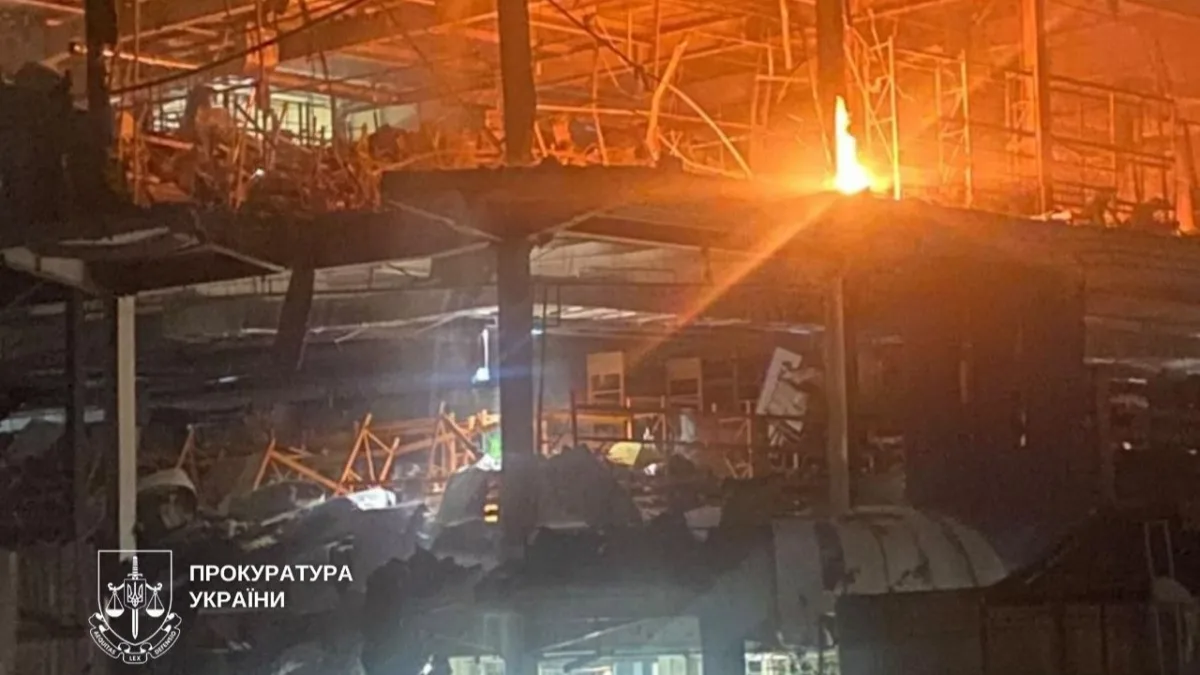
As the front turns into a static line of attrition, the initiative is shifting to the Ukrainian side, and deep into Russian territory. Kyiv has intensified drone attacks on Russian oil refineries and munitions factories, striking the economic and logistical foundation of the war machine far from the front line. President Vladimir Putin, for his part, has rejected two separate Ukrainian proposals for a mutual halt to long-range strikes, choosing to keep destroying Ukrainian cities rather than accept a pause that would also shield Russian infrastructure.
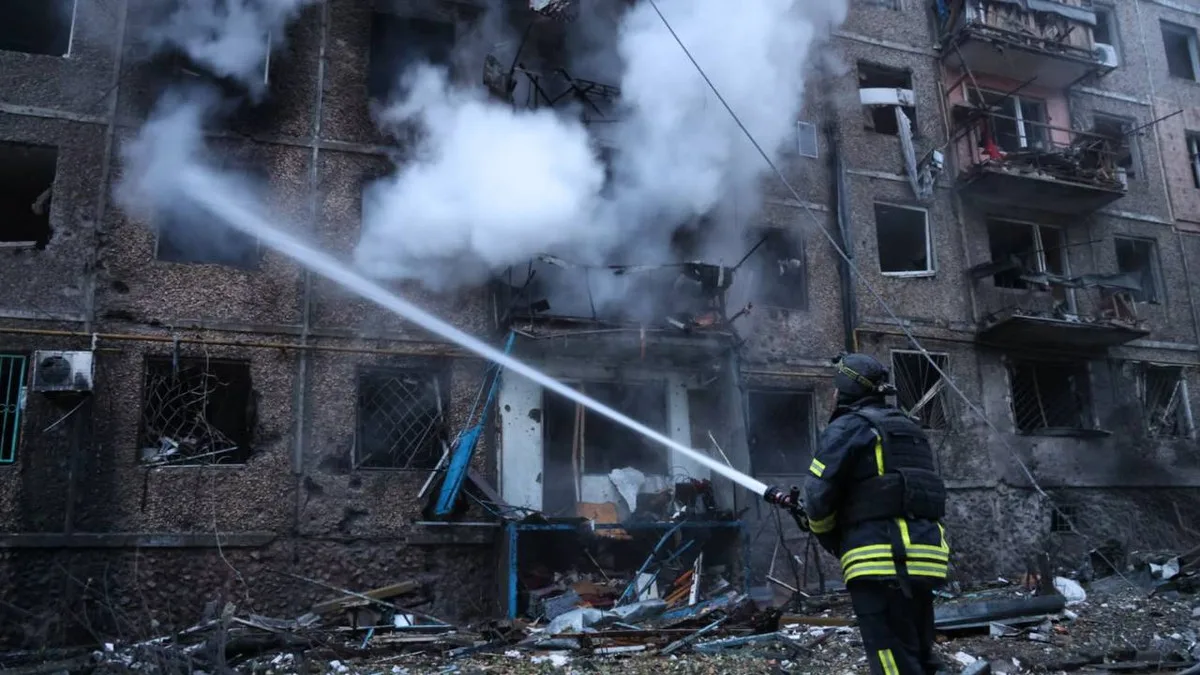
This is where the paradox of the moment lies. Moscow is carrying out its deadliest air strikes precisely as its ground offensive stalls, as if trying to compensate through sheer scale of destruction for what it can no longer achieve on the ground. For Brussels, this finding is an argument that sanctions pressure and military support for Kyiv are producing a measurable effect. For Belgrade, which listens carefully for every signal about who emerges stronger from this war, the message is that the balance of power is shifting more slowly than Moscow claims, but shifting all the same.
Can Serbia really keep postponing a clear choice of sides, if it turns out that Russia’s offensive has genuinely reached its peak?