Washington resumes Iran strikes, family killed on Qeshm
Central Command says it hit dozens of Revolutionary Guard targets by 02:00 GMT. A couple and their two-year-old child died when a residential building on Qeshm Island was struck.

The United States has resumed its air campaign against Iran after a five-night pause, and the first wave killed a couple and their two-year-old child on Qeshm Island in the Persian Gulf. For Serbia, which buys its fuel at world crude prices, a reopened front in the Gulf puts shipping risk and the price of a barrel back on the table barely a week after the worst of the campaign appeared to be over.
US Central Command (CENTCOM) said the operation was complete by 10 p.m. Eastern time on Wednesday, or 02:00 GMT on Thursday. “We have successfully completed a heavy wave of strikes on Iran,” the command said in its statement.
What was hit
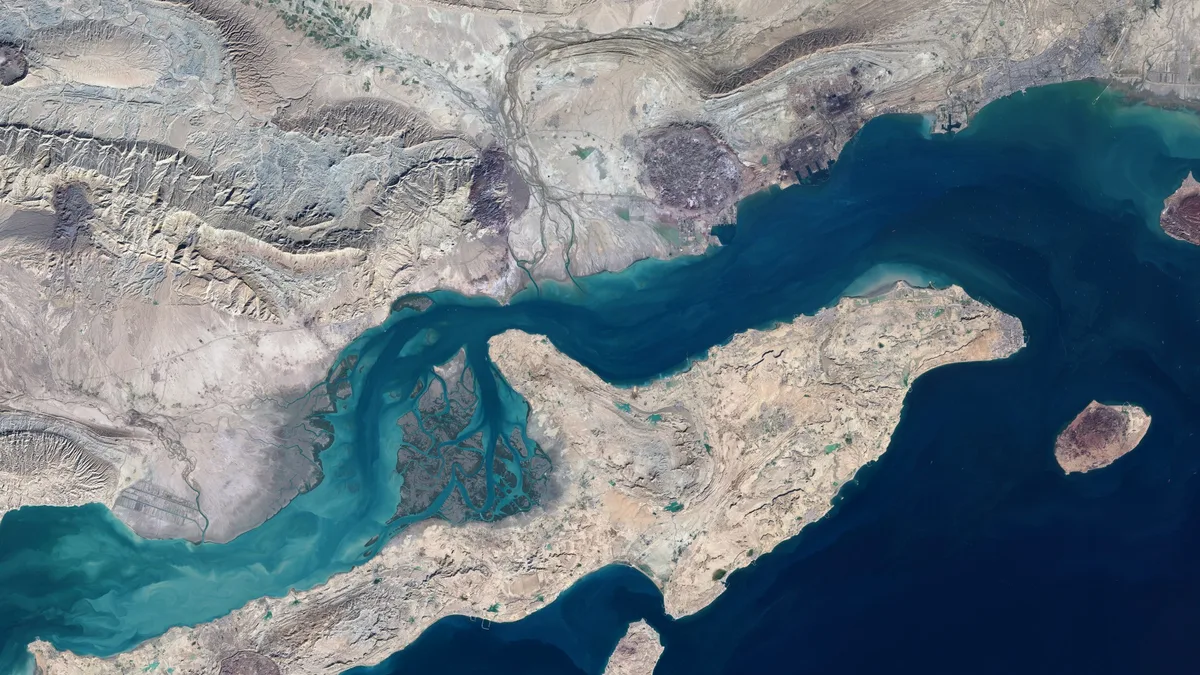
CENTCOM said the strikes covered several dozen Revolutionary Guard targets: command centres, missile and drone production facilities, coastal surveillance and defence posts, and naval assets. Explosions were reported along a long stretch of the Iranian coast:
- Qeshm Island and Kish Island
- three towns in Bushehr province
- seven blasts in Ahvaz, with separate strikes on Abadan, in Khuzestan province
- Bandar Abbas in Hormozgan province
- Kazerun and Farashband in Fars province
Power cuts followed in Ahvaz. Iranian media reported three civilians and three Revolutionary Guard members killed across the wave.
The building in Chah Tangu
The heaviest single toll came from the Chah Tangu neighbourhood on Qeshm, where a residential building took a direct hit. A married couple and their two-year-old child were killed. Two more children, aged seven and nine, were wounded. Rescue crews were still digging for family members trapped in the rubble after daybreak.
What triggered this round?
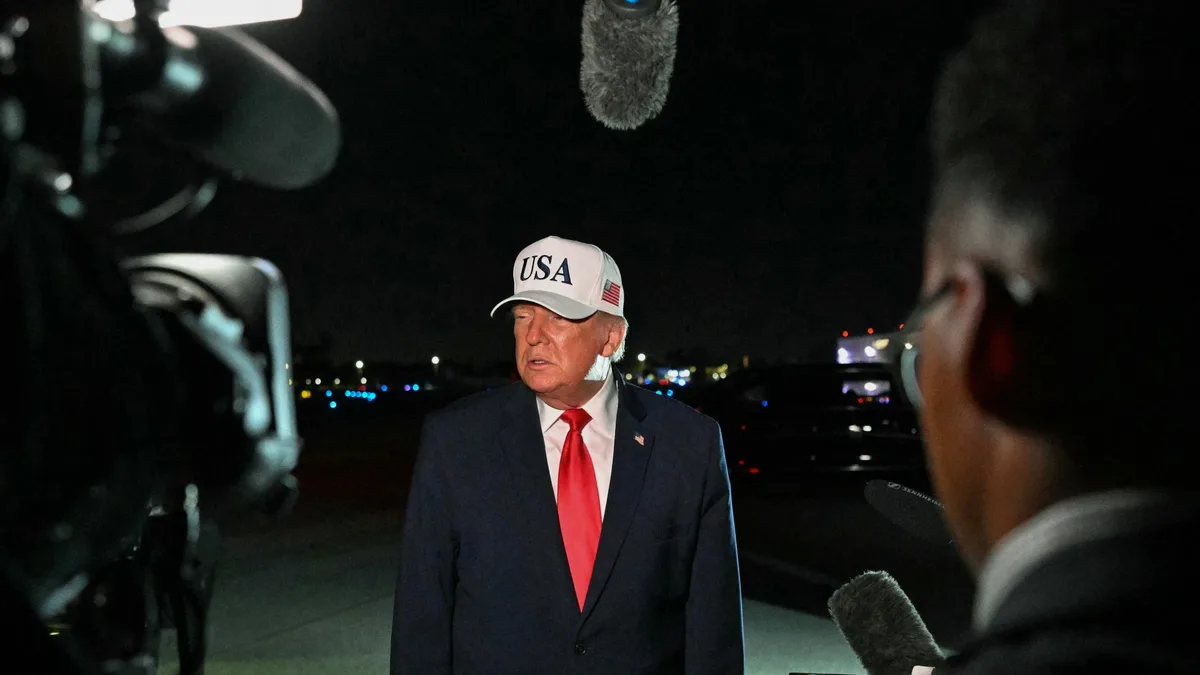
The trigger was an Iranian missile attack on US positions in Jordan on Wednesday, July 29. CENTCOM described it as an attempted surprise attack and said every missile was intercepted. A day later, US President Donald Trump said: “We’re going to be hitting them very hard. Because it’s our turn to hit them.”
Separately, Jordan announced on Thursday morning that its air defences had intercepted five Iranian missiles, with no casualties.
Iran hits back, one worker killed in Kuwait
The Islamic Revolutionary Guard Corps said on Thursday morning that it had targeted American bases in Kuwait and Jordan.
With the help of God Almighty, the aggressor will be punished today.
Kuwait’s defence ministry confirmed that one worker was killed in the north of the country when a building belonging to a Chinese company was struck. It is the only confirmed death from Iran’s retaliation outside Iranian territory in this round.
Netanyahu was in Washington two days earlier
Israeli Prime Minister Benjamin Netanyahu spent July 28 and 29 in Washington, meeting Trump, Vice President JD Vance and Defense Secretary Pete Hegseth. According to a source close to the Israeli delegation, Netanyahu laid out three Iran scenarios for the US president: a negotiated deal, continued sanctions without a new war, and a major offensive. The same source said he backed none of them, listing the upside and the downside of each instead.
Thirteen nights of bombing, then five nights of quiet
The previous American campaign ran for thirteen consecutive nights. We covered its halt in “Primirje na ivici: SAD i Iran zaustavili udare posle 13 dana”, where it was already apparent that neither side had signed anything and that this was a stoppage rather than an agreement. The pause held for five nights.
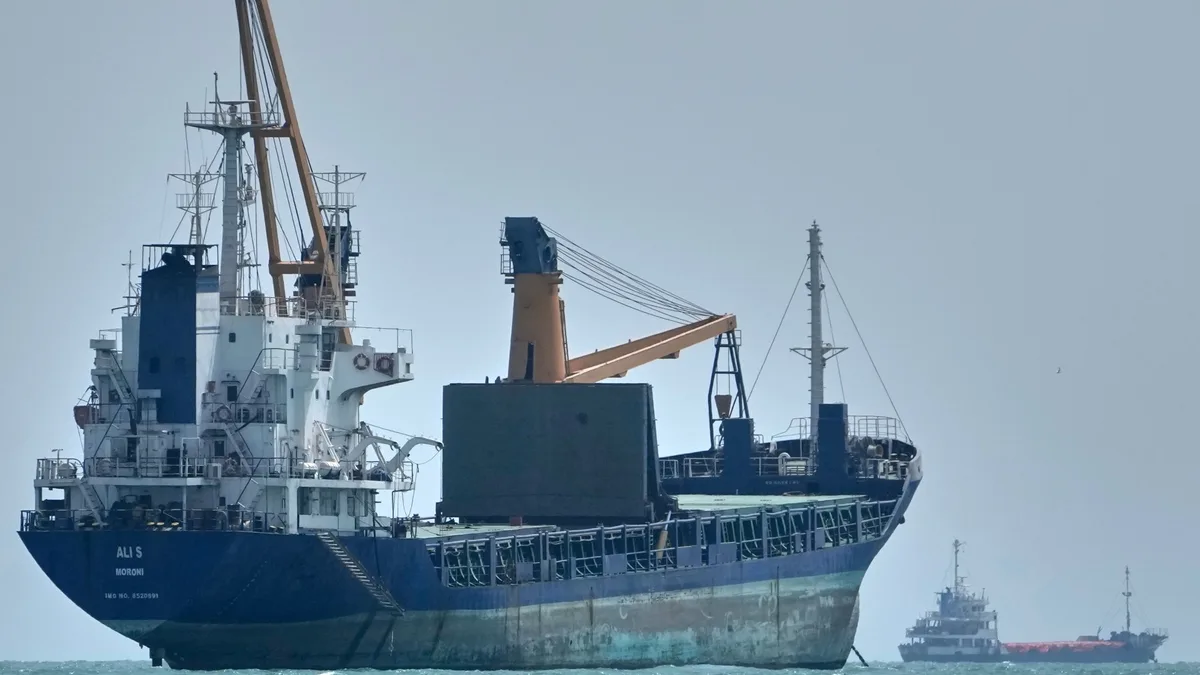
US Treasury Secretary Scott Bessent said “the United States will not allow Iran to hold global commerce hostage”, tying the conflict publicly to shipping in the Gulf rather than to the Iranian nuclear programme alone. For fuel importers in Serbia that is a sharper signal than any statement about centrifuges, because the price of a barrel is set on a market that reacts to every night like this one.