Montenegro Rejects Migrant Centers Before Official Offer
Podgorica is the only European address on a preliminary list of countries where the EU could build migrant centers. Prime Minister Milojko Spajic says the government's response will be negative.

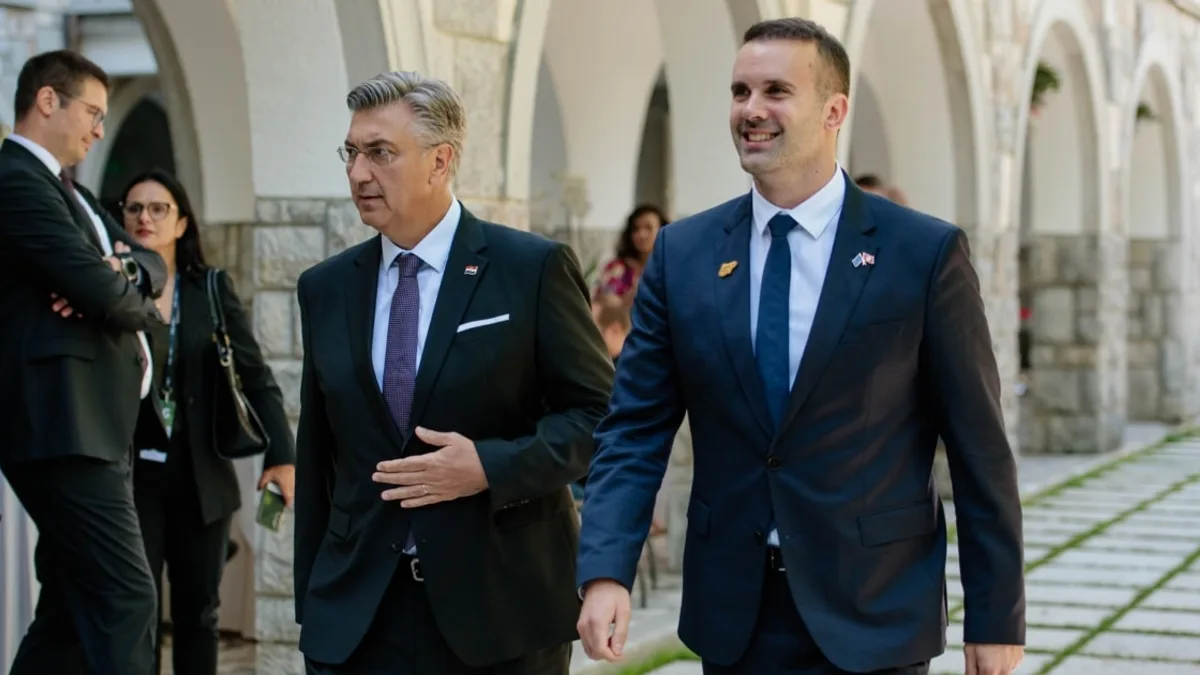
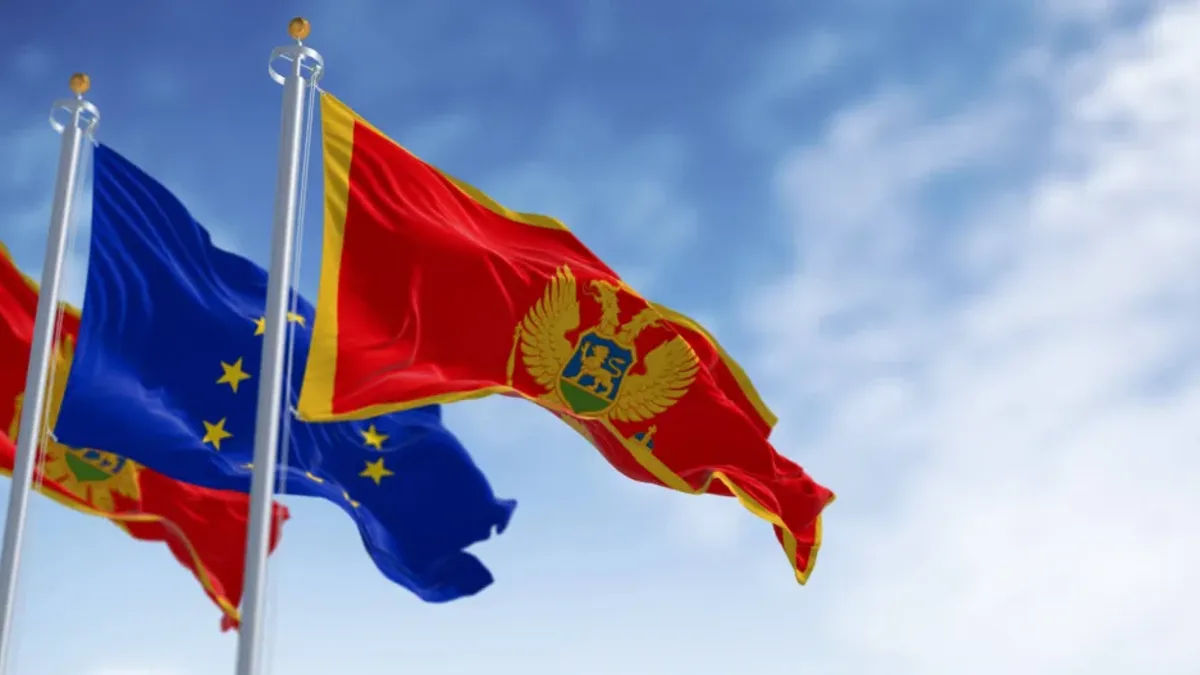
Montenegro has landed on a preliminary list of non-EU countries where Brussels could open reception and repatriation centers for irregular migrants, and Prime Minister Milojko Spajic said on August 4, 2026 that Podgorica will not accept such an arrangement. For Serbia, this is not a distant story. Montenegro is the only European address on the list, and it is the country that has moved further in membership talks than any other Western Balkan candidate, which raises an immediate question: who could get the same offer next.
Spajic stressed that there had been no discussion of the matter with Brussels and that the Montenegrin government had not received any formal proposal.
Montenegro has not held any negotiations on establishing such centers on its territory, nor has the government received an official initiative. When such an initiative is on the table, our answer will be negative.
At the same time, Podgorica was careful not to let the refusal sound like a retreat from European asylum policy. Spajic said Montenegro remains a reliable partner of the European Union in protecting shared borders and managing migration flows, while drawing a clear line over who gets to make the call.
Every decision concerning our country will be made responsibly, transparently and solely in accordance with the interests of the citizens of Montenegro.
Who Else Is on the List, and Where It Came From
The preliminary list was published by the Italian news agency ANSA, citing diplomatic sources. Besides Montenegro, it includes:
- Tunisia, Libya and Egypt on the southern Mediterranean coast
- Rwanda, Ghana, Senegal, Mauritania, Uganda and Ethiopia in Africa
- Uzbekistan and Armenia outside the African continent
Eleven countries on the list are African or Asian, and none of them are anywhere near the European integration process. Montenegro is the exception, which explains why Podgorica’s reaction came within hours rather than through the usual diplomatic back and forth.
The proposal comes from Italian Interior Minister Matteo Piantedosi, who is expected to present the plan to counterparts from EU member states at an emergency meeting. The trigger was the arrival of roughly 50,000 migrants in the Spanish enclave of Ceuta in North Africa, where dozens of people died.
Why the Albania Model Is Expanding to Third Countries
The plan builds on what has become known as the Albania model. That arrangement dates back to the protocol Rome and Tirana signed in November 2023, and the centers in Shengjin and Gjader began operating in October 2024. Italy used the setup to move asylum processing outside its own territory while keeping the cases under Italian jurisdiction.
The key difference in the new proposal is not legal but financial: the new centers would be funded directly from EU funds and the Union’s common budget. That turns one member state’s bilateral experiment into an instrument of shared policy, with everything that comes with it, from European Parliament oversight to conditions attached to accession talks.
That is also why Montenegro’s refusal carries weight that a refusal from Uganda or Mauritania does not. A membership candidate saying no in advance puts Brussels in a position where it has to choose between enlargement and its external asylum agenda.
Serbia Is Not on the List, but It Is on the Route
Serbia is not on the list, but it sits on the Balkan route, and that distinction is worth watching. Last year the European Commission proposed a new return regulation that allows for return hubs in third countries, moving the idea of relocating asylum processing out of Italy’s hands and into a document binding on the whole Union. Once that kind of instrument exists, the list of possible destinations does not stay closed.
The experience in Albania shows the other side of the story too. Italian courts have repeatedly blocked transfers to Shengjin and Gjader, capacity has gone largely unused, and the construction costs were spent without the results Rome had promised. Podgorica had that precedent in front of it before it gave its answer.
When a Decision Could Come
The next step is an emergency meeting of EU member states’ interior ministers, where Piantedosi is expected to present the proposal. Until then, the list remains informal, with no decision from the Council and no formal approach to Podgorica. Montenegro’s prime minister gave his answer in advance, before the question was even formally put, which in diplomacy is a way of signaling that the topic is not open for negotiation.