Mandic Survives Ouster Vote in Montenegro, 41 to 37
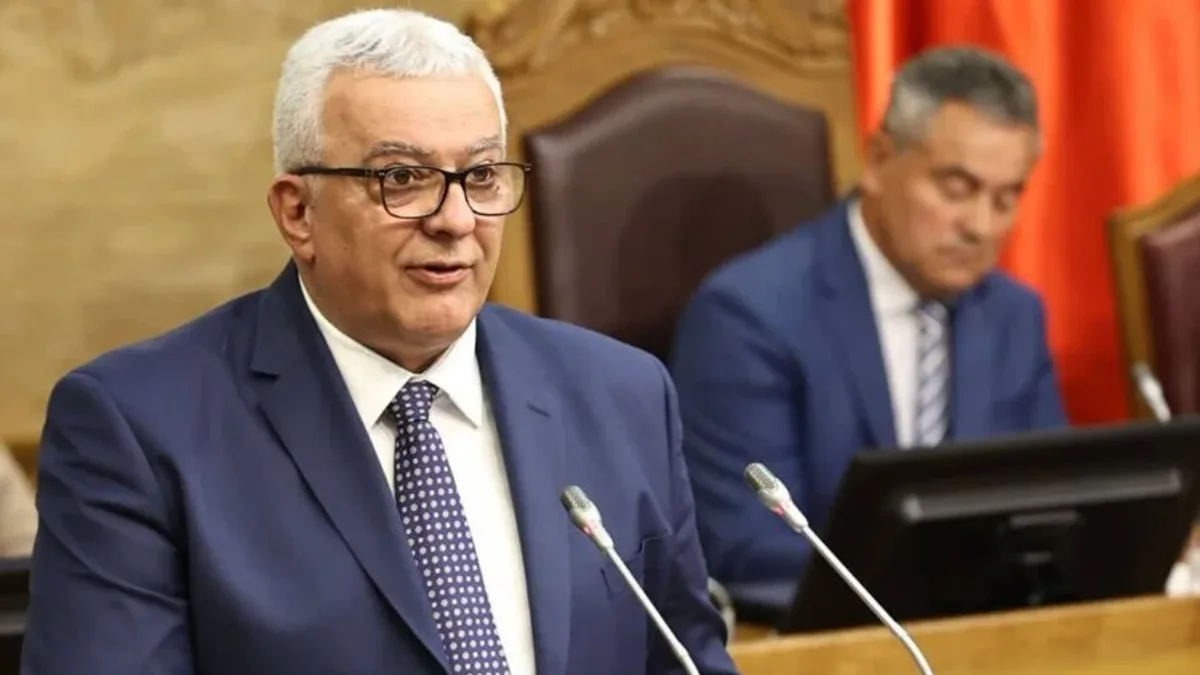
In a secret ballot in Podgorica, 37 MPs voted to remove Mandic and 41 voted against. Mandic claims he circled the option to dismiss himself, but the Assembly's secretary general says he did not.
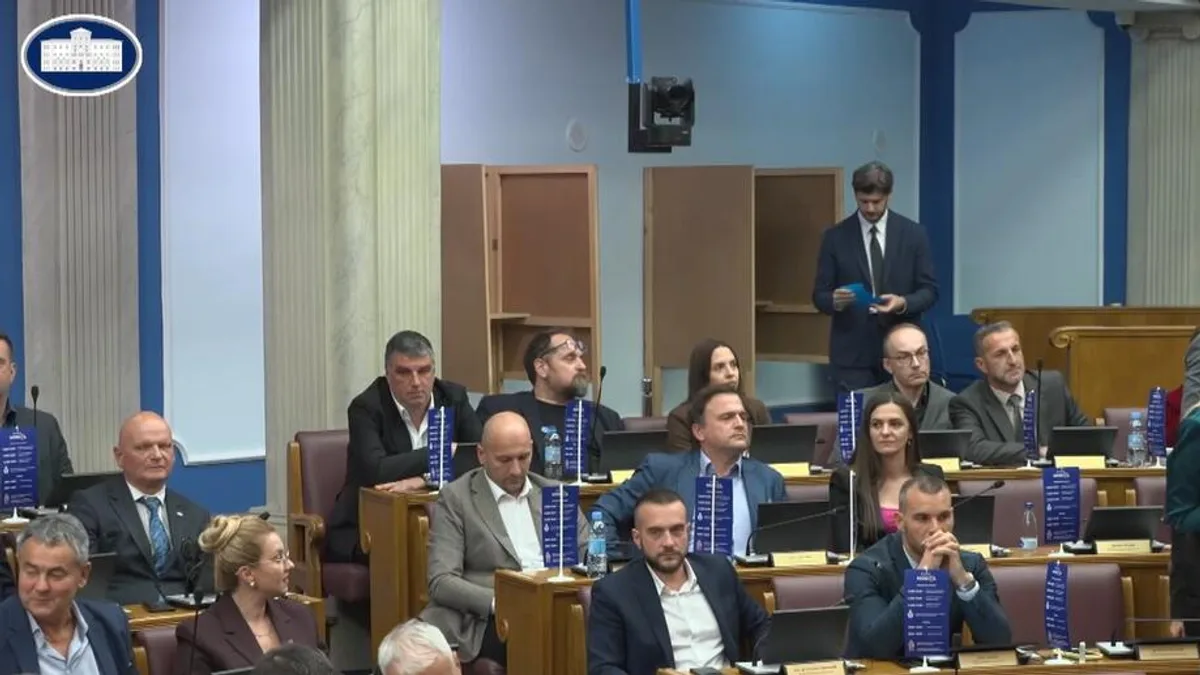
The Montenegrin Assembly rejected an initiative to remove parliament speaker Andrija Mandic, leader of the New Serb Democracy, in a secret ballot on October 13, 2026. Thirty-seven MPs voted for his dismissal and 41 against, in a parliament of 81 members. The vote was about attitudes toward the verdicts for the wars of the 1990s, a subject that concerns Serbia and the whole region, and its outcome also bears on the constitutional changes Podgorica needs on its path to the European Union.
How did the secret ballot on removing Mandic go?
A total of 80 ballots were handed out and collected, of which 78 were valid and two invalid. This was the fourth initiative to remove Mandic since he took the speaker’s chair. It was proposed by Andrija Nikolic of the opposition Democratic Party of Socialists (DPS). Mandic’s own New Serb Democracy filed the same proposal as the second item on the agenda, which he explained at the start of the session:
“Fearing that someone in the opposition might withdraw their signature from their initiative and thereby make it impossible to vote today on my dismissal, NSD proposed the same agenda item.”
The most attention went to what happened after the count. Mandic said he had circled the option for his own removal: “I made a mistake, I circled For.” The Assembly’s secretary general, Boban Stanisic, answered him from the floor: “No, you didn’t. You voted against. Against, I saw it.” Mandic then told the opposition: “You didn’t manage to remove me even with my own vote.” Because the ballot was secret, the public is left with only those two statements, and the difference between them changes nothing in the tally of 37 to 41.
Why did the opposition seek his removal?
The immediate trigger was the condolence message Mandic publicly sent on August 27 to the family of Ratko Mladic, the former commander of the Army of Republika Srpska convicted of genocide in Srebrenica and other war crimes. Mandic later claimed he acted in line with custom and that there was nothing objectionable in the message. A session scheduled for September 24 was not held because there was no quorum. We reported on that session on October 12, when Mandic convened the Collegium on his own removal and the Democratic People’s Party announced it would not vote.
Nikolic said during the debate that this majority was more disciplined than the one on September 24: “Obviously it took 20 days of additional discipline and blackmail.” Some majority MPs left the chamber before the debate on Mandic’s removal began, and Boris Mugosa of the European Alliance described it this way:
“This is a classic mockery of democracy and procedure.”
Dritan Abazovic, a former prime minister and leader of the Civic Movement URA, said the vote was about the European path: “Whoever thinks Ratko Mladic is a hero, I am not for that kind of Europe.” He added that he would back Mandic staying on if Mandic said clearly that Mladic is a war criminal. The Bosniak Party had announced in advance that it would vote for removal, and its MP Jasmin Corovic explained the decision with the words: “We will not allow the victims of genocide to be used as currency in political trading.”
On the other side, Democratic People’s Party leader Milan Knezevic refused to support the initiative and openly disputed the verdicts of the Hague Tribunal. He said: “Today you are dancing on Mladic’s grave and asking us to join the dance and lead it.” In his closing remarks, Mandic accused the DPS of using the Ratko Mladic question to avoid a conversation about reforms for European integration, and said that “Ratko Mladic is not the dominant topic.”
What does the result mean for Montenegro’s path to the European Union?
The opposition had earlier said it would not support the constitutional changes needed for EU accession until parliament allowed a debate and vote on Mandic. That vote has now happened. Two changes are at stake: a mandatory integrity check for a future prime minister-designate and ministerial candidates, under the proposed amendment to Article 103 of the Constitution, and the abolition of immunity for the president and members of the Government for criminal offenses against official duty. Both matter for Negotiating Chapter 23, which covers the judiciary and fundamental rights.
According to the Podgorica daily Vijesti, October 13 was the deadline for launching the procedure to amend the Constitution on the integrity check. Failure could prevent the planned closing of Chapter 23 by the end of the year, and a rejected proposal cannot be resubmitted for a year. The head of the EU Delegation to Montenegro, Johan Satler, said the same day that the proposed solution for the integrity check is a “well-founded European standard” and called on the government and the opposition to compromise. The proposal has nonetheless drawn criticism from parts of the opposition and from legal experts.
The condition the opposition set has therefore been met: Mandic was put to a vote, and the outcome went in favor of the parliamentary majority. The sources available to the newsroom do not say how the procedure for the constitutional amendments proceeded after this vote.