UAE Blames Iran for Attack in Strait of Hormuz
Two vessels linked to an Abu Dhabi oil company were attacked on Thursday evening, and the UAE blamed Iran's Revolutionary Guard, invoking UN Security Council Resolution 2817.

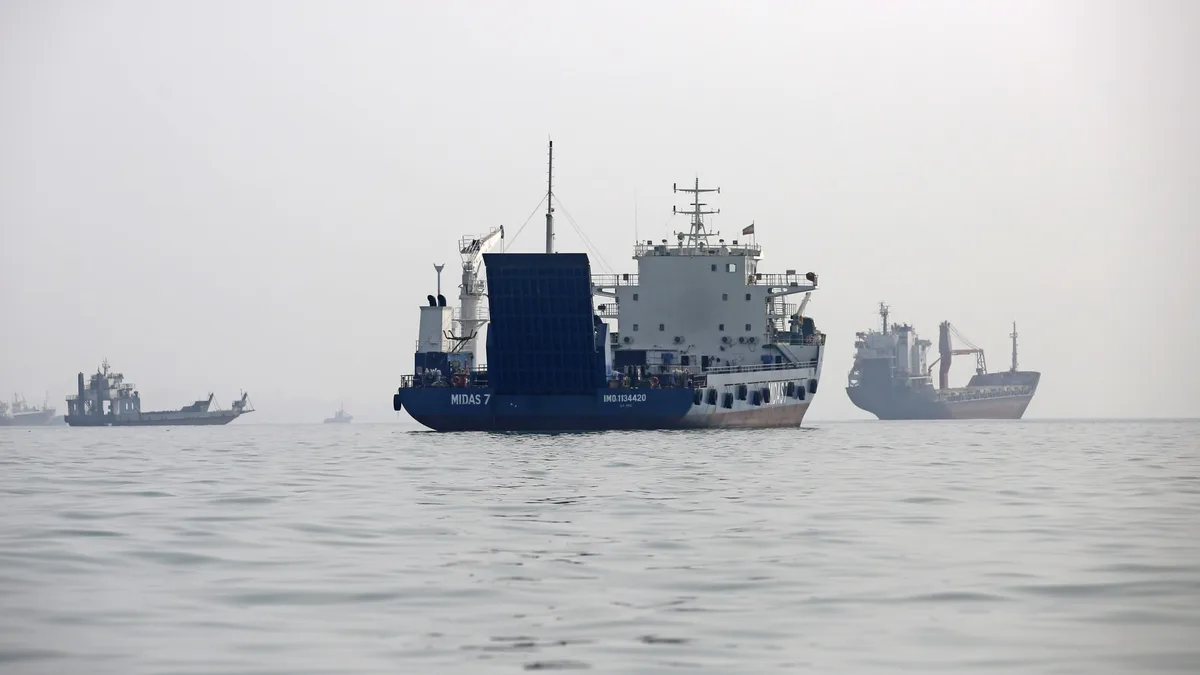
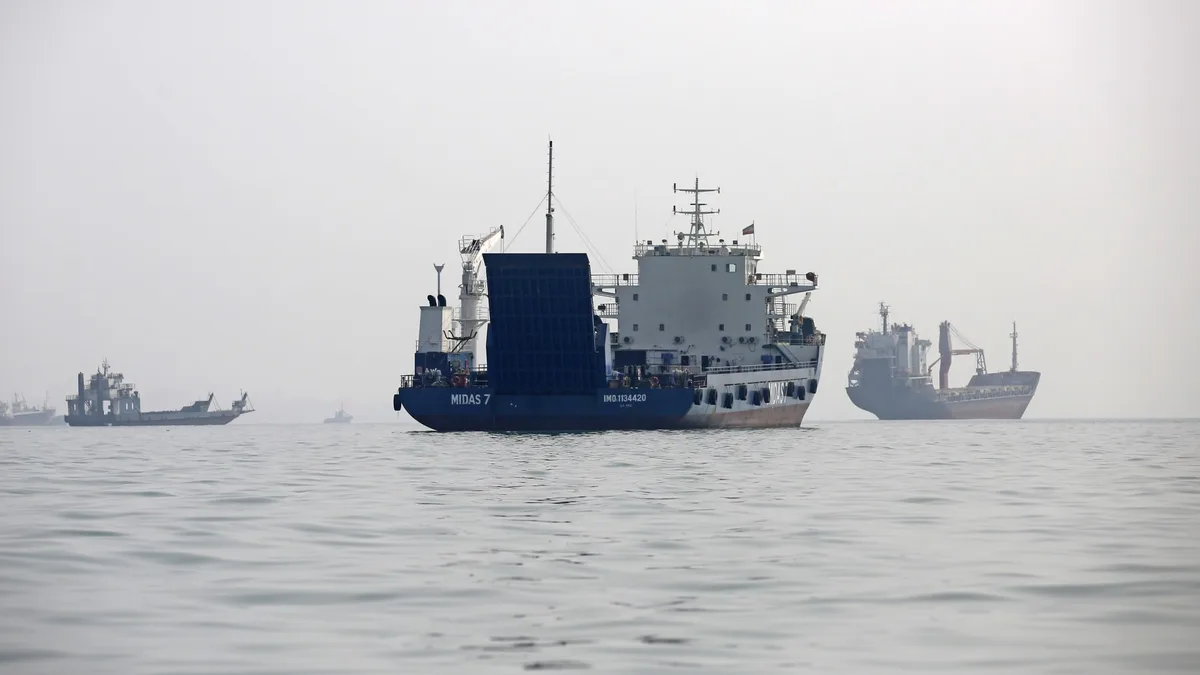
The United Arab Emirates’ Ministry of Foreign Affairs announced in the early hours of Friday morning that two vessels linked to an Abu Dhabi oil company were attacked on Thursday evening, August 13, while transiting the Strait of Hormuz, and it blamed Iran for the strike. For Serbia, which pays for fuel at prices set on the world market, the strait between the Iranian and Omani coasts is not a distant issue: before the war began in February, a fifth of the world’s oil and liquefied natural gas passed through it, and the International Energy Agency this week raised its forecast for the drop in global oil supply in 2026 to 4.3 million barrels per day, up from its earlier estimate of 3.7 million.
No one was hurt in the attack. The company said the situation had been brought under control and repeated its call for the protection of seafarers’ safety and freedom of navigation. As of the publication of the UAE’s and regional reports, Iran had not commented on the accusations.
The Emirati ministry’s statement left no room for ambiguity:
Targeting commercial vessels and using the Strait of Hormuz as a tool of economic pressure or extortion constitutes an act of piracy by the Islamic Revolutionary Guard Corps and a direct threat to the stability of the region and its peoples, as well as to global energy security.
The wording was carefully chosen. The word piracy strips the attack of any claim to wartime legitimacy and recasts it as a criminal act at sea, while naming the Revolutionary Guard means Abu Dhabi is not accusing an unidentified actor but a specific Iranian institution.
Why does the UAE invoke Resolution 2817?
Because it shifts the dispute from bilateral territory onto the ground of international law. UN Security Council Resolution 2817 guarantees freedom of navigation and condemns attacks on commercial vessels, so invoking it means the UAE is insisting on an obligation the Security Council itself adopted, rather than asserting its own right to retaliate. Alongside the condemnation came a demand that Iran halt the attacks and reopen the strait fully and unconditionally.
Bahrain condemned the attack and called it a violation of international law, expressing full solidarity with the UAE and support for the measures Abu Dhabi is taking for its own security. Manama and Abu Dhabi are thus standing on the same front, an alignment less common in the Gulf than it might appear from outside.
Fifteen vessels attacked since February
This is not an isolated incident but the latest link in a chain that has run for half a year. The company says fifteen of its vessels have been attacked since February 2026, that one crew member has been killed in these attacks, and that about twenty have been injured.
The timeline is dense:
- On July 14, the crude oil tankers Al Bahyah and Mombasa B were hit, and a sailor was killed
- On August 8, a vessel of the same company was struck by a rocket, with no injuries
- On August 13, two vessels were attacked, again with no injuries
The gap between the last two attacks was five days. That pace makes it harder for the UAE to treat the incidents as isolated excesses, and harder for the oil company to keep up regular transit.
A blockade that can last indefinitely
That same Thursday, during a visit to Panama, US Secretary of Defense Pete Hegseth said the US Navy has the capacity to maintain the blockade of Iranian ports without a time limit.
The United States Navy can maintain a blockade like this indefinitely because we will rotate ships in and out, as we have been doing, and we will keep doing that.
Washington reimposed the blockade after lifting it for a month in mid June, and Treasury Secretary Scott Bessent announced new financial measures against Tehran for next week. President Donald Trump continues to say his country has full control of the strait, a claim Tehran rejects. We have previously reported on that claim and on the US demand for compensation.
The numbers from the water speak more precisely than the statements. Eight ships passed through the Strait of Hormuz on Tuesday, the ten day average was twelve, and before the war between 130 and 140 vessels passed through daily. Traffic, in other words, is running at a few percent of pre war levels.
The June ceasefire has collapsed and talks to end the war that began in February remain stalled. Iran has said the strait will not reopen until its conditions are met, among them the lifting of economic sanctions and the release of frozen Iranian assets. New US measures are set to be announced next week, and Iran had not yet responded to Friday’s accusations from Abu Dhabi.