Iran Announces Deal With Oman, Strait of Hormuz Still Closed
Iran's deputy foreign minister says Tehran and Oman have reached basic agreement on entry and exit routes through the strait, but Tehran wants the US to lift its blockade on Iranian ports first.

Iran said for the first time that it had reached basic agreement with Oman on routes through the Strait of Hormuz, then on the same day said that does not mean the strait is opening. Before the war, about 20 percent of the world’s oil and liquefied gas exports passed through that waterway, so for Serbia, which buys fuel at prices set on world exchanges, nothing fundamentally changes until ships actually start moving. Pump prices do not react to statements out of Tehran, they react to barrels leaving the Persian Gulf.
Iran’s deputy foreign minister Kazem Gharibabadi told the IRNA news agency on Wednesday, August 5, that the two sides are close to wrapping up talks that have run for about two months.
“Basic agreement has been reached on nearly all outstanding issues, including the map of entry and exit routes for maritime traffic,” Gharibabadi said.
Iranian Foreign Ministry spokesman Esmail Baghaei confirmed to reporters the same day that the geographic coordinates of the corridor have been agreed and that the two countries are working on a joint statement.
What exactly is in the draft deal with Muscat?
The arrangement Tehran and Muscat have worked out is not an opening of the strait, it is a regime of controlled passage. Based on what Iranian officials have said, it rests on four elements:
- the route runs partly through Iranian territorial waters and partly through Omani waters, so ships would enter the Persian Gulf through a corridor under Iranian control and leave through a corridor under Omani control
- a joint coordination center would be set up to manage traffic and collect data from vessels
- the arrangement runs for two to four months, with a possible extension, and the existing temporary routes would be discontinued
- ships would first have to obtain permission to pass, and Iran does not rule out charging a fee
A comparison with what we reported earlier shows where the talks are heading. Our article “The Strait of Hormuz Is Opening: Two Routes and 60 Days Without Fees” described a sixty day regime with no charges. Now the deadline is longer, but the conditions are tougher: passage requires permission, and a fee is on the table. In other words, Iran came out of these negotiations with more leverage than the first draft suggested.
Why the deal does not open the strait
Baghaei attributed the closure of the strait to US and Israeli aggression against Iran and declined to present the bilateral deal with Oman as a solution.
“Of course, the agreement between Iran and Oman on its own cannot be read as meaning the strait has become safe for passing ships, because the factors through which the United States is undermining security in the Strait of Hormuz are still there, primarily the naval blockade and other aggressive and threatening actions against Iran and its interests,” Baghaei said.
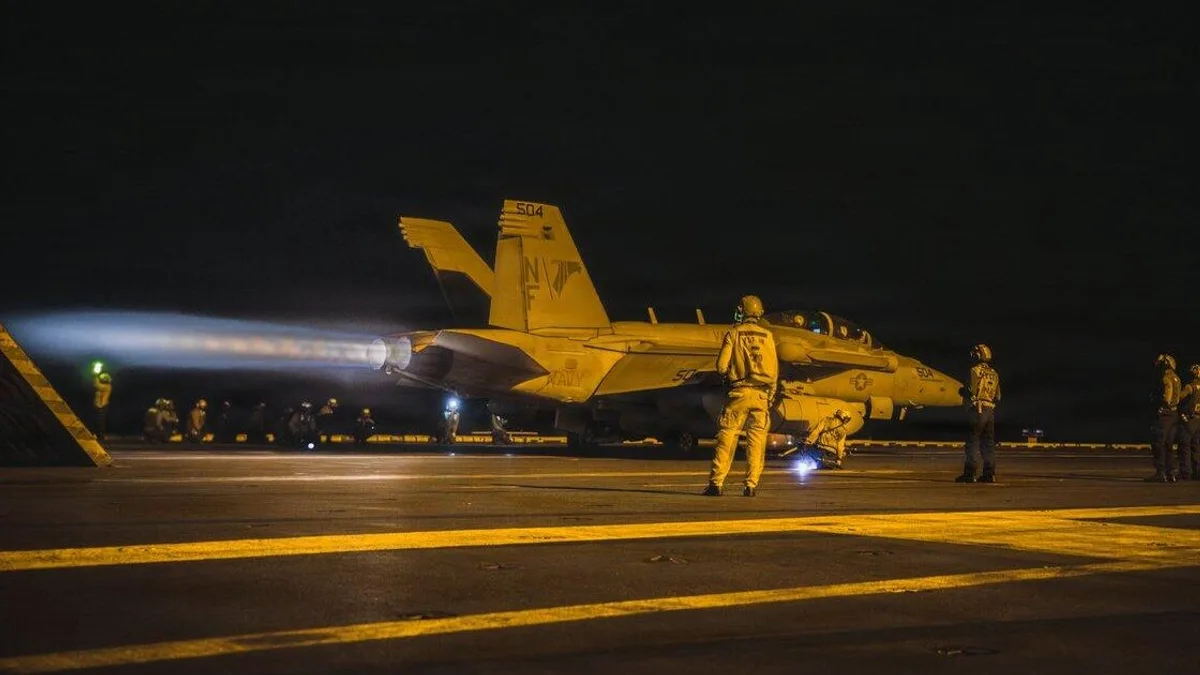
Tehran insists the United States is not a party to the agreement with Muscat, and it is making normalized shipping conditional on the lifting of the American blockade of Iranian ports. US Central Command announced the same Wednesday that, as part of that blockade, it had redirected 48 merchant ships, disabled two and searched two. As long as that operation continues, the paper signed in Muscat does not change anything on the water.
For shipping companies, that is a practical question of insurance and risk, not diplomacy. A company sailing through a corridor where one power demands permits and another redirects and stops vessels pays a premium for both risks.
Khamenei has the final word
Any agreement on the strait must be approved by Supreme Leader Mojtaba Khamenei, who has stayed out of sight since he was wounded in the first US and Israeli strikes in February. Iran’s president Masoud Pezeshkian said in a television interview that communication with him is “very difficult at this moment.” Iranian officials say openly that any message to the supreme leader and back takes time.
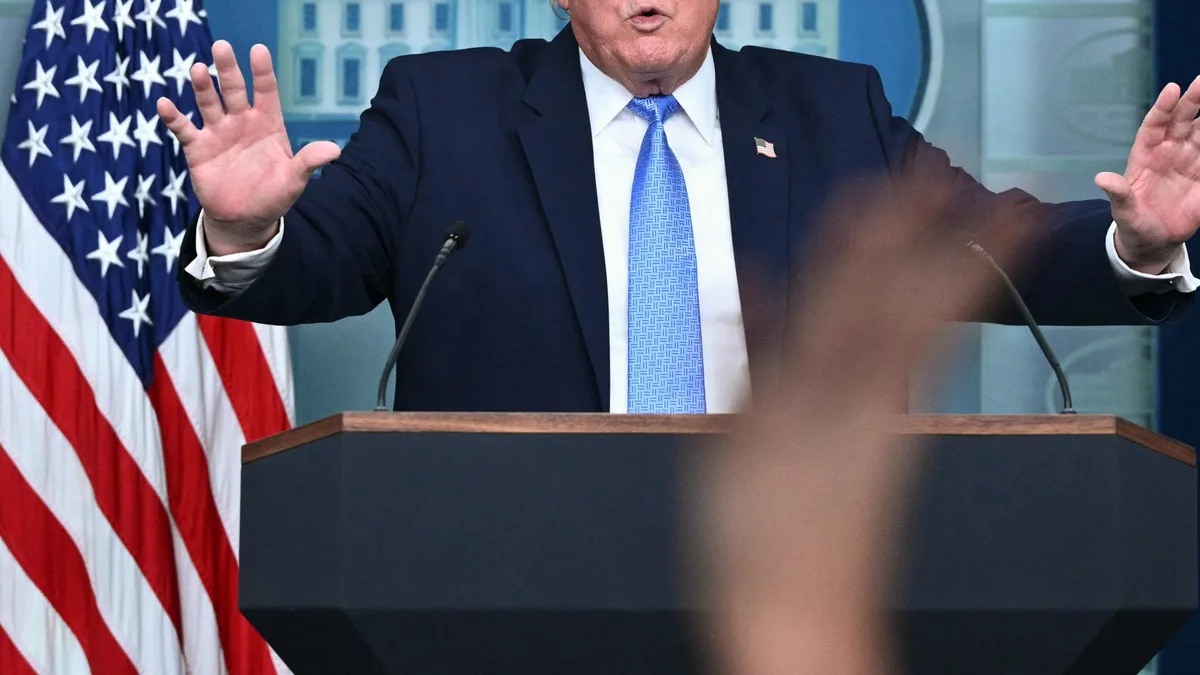
US President Donald Trump, who has announced diplomatic breakthroughs before without ever putting a signature on them, gave a short answer when asked about the strait.
“We’re talking. Let’s see what happens,” Trump said at an event in Las Vegas.
The market read that indecision correctly. Brent crude traded between $79.60 and $80.21 a barrel on Thursday, August 6, in other words without the sharp drop that would follow if traders believed the strait was about to open. Some Gulf producers, meanwhile, are routing around the strait through pipelines to ports outside the Persian Gulf, and several million barrels a day still move through the strait as it is, helped along by the US Navy and by ships that switch off their transponders.
The timeline Gharibabadi mentioned is the thing to watch here. A two to four month arrangement means that even if Khamenei signs off on it, the question of the Strait of Hormuz would be back on the table before the end of the year, right as Europe’s heating season hits its peak.