Germany Blames Russia for Leipzig Drone Attack
Berlin has for the first time officially pinned an explosive drone attack at Leipzig Halle Airport on Russia, is closing the Russian consulate in Bonn, and wants tougher EU sanctions on Moscow.

On September 1, the German government officially blamed Russia for an explosive drone attack on German soil for the first time, a move that also reaches directly into Serbia’s position as an EU candidate country. Aligning foreign policy with Brussels’ sanctions regime against Moscow is one of the open conditions on Serbia’s path to membership, and every new measure Germany announces in response to a hybrid threat adds to that list, raising the pressure on countries, Serbia among them, that have yet to fall in line on Russia.
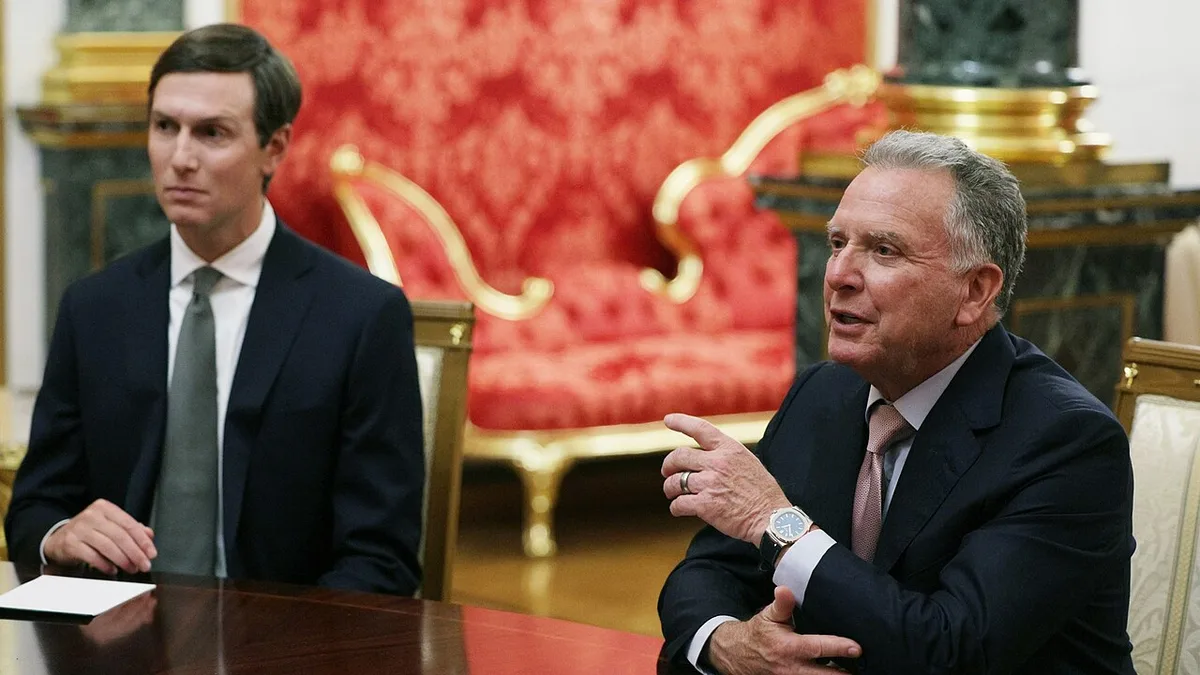
German Interior Minister Alexander Dobrindt told a press conference in Berlin that on the night of August 4 to 5, a drone loaded with explosives was found at Leipzig Halle Airport in eastern Germany, close to a Ukrainian cargo plane. Police disarmed the drone with a robot and no one was hurt. Weeks later, a second drone bearing traces of explosive material was found in the same area. According to the minister, the investigation showed that whoever piloted the drone was acting on behalf of Russian state structures.
“This fits the familiar pattern of Russian hybrid operations in Europe,” Dobrindt told reporters, standing beside Foreign Minister Johann Wadephul. Wadephul said the Russian ambassador had been summoned to the ministry, that Russia’s consulate general in Bonn would be closed by September 18, and that the agreement allowing the Russian House cultural center to operate in Berlin was being terminated. Germany raised its national threat level from general to high, announced tighter entry checks for Russian citizens, stepped up pressure on the so-called Russian shadow fleet, and called on the European Union to impose new sanctions.
Why Leipzig Is a Key Target
Leipzig Halle Airport was not chosen by accident. It is one of the main logistics hubs for aid to Ukraine and for NATO operations on Europe’s eastern flank, regularly used by Ukrainian Antonov cargo planes, and it also hosts the NATO Strategic Airlift International Solution program, which flies equipment to allied units from Finland to Romania almost daily. Germany had already logged a string of suspicious drone flights over military and industrial sites in recent months, but the incident on the night of August 4 to 5 was the first to involve explosives.
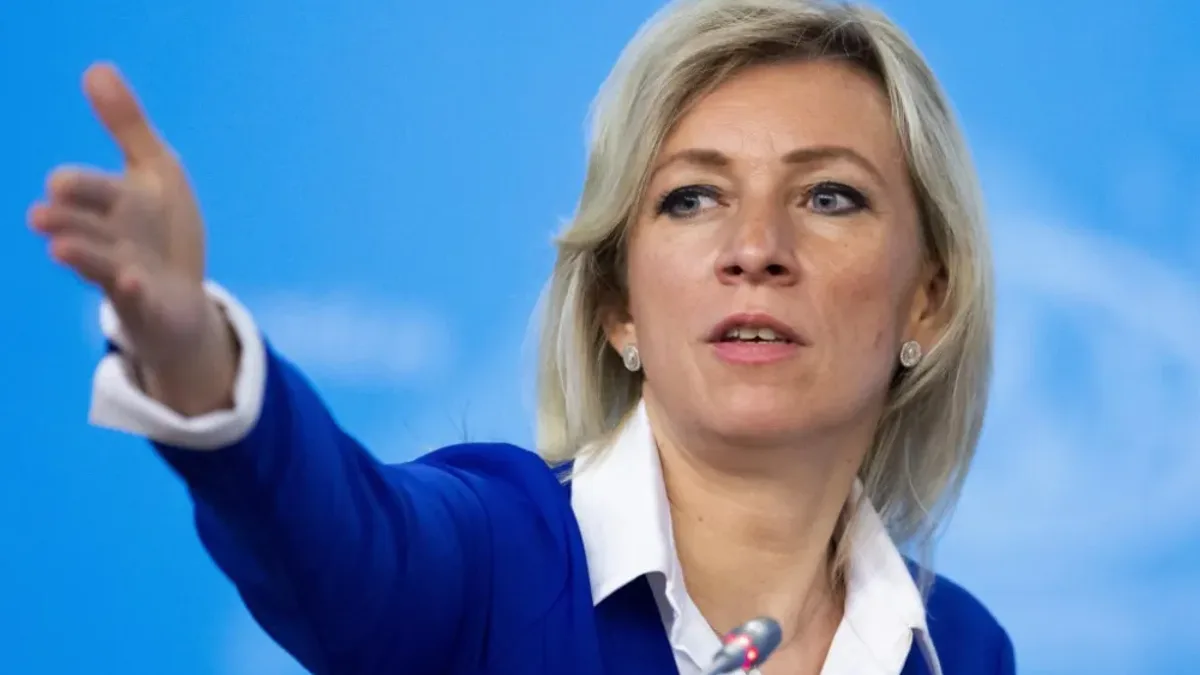
Moscow flatly rejected the accusations. According to a statement from the Russian embassy, Ambassador Sergey Nechayev categorically dismissed Berlin’s claims as baseless and said the announced measures set a precedent in relations between the two countries that would not go without consequences, adding that the German government would bear responsibility for it. Russian President Vladimir Putin, speaking at the Shanghai Cooperation Organisation summit in Bishkek, said Berlin had fabricated the evidence and that Germany’s response was a serious mistake. Russian Foreign Ministry spokeswoman Maria Zakharova said, according to Interfax, that Moscow would respond to what she called Berlin’s anti-Russian move.
Brussels and Allies React
European institutions quickly lined up behind Berlin. European Commission President Ursula von der Leyen said in a statement on the German accusations: “The European Union stands in full solidarity with Germany in the face of this attack by Russia.” NATO Secretary General Mark Rutte said the evidence of responsibility was clear, while EU foreign policy chief Kaja Kallas, after a meeting of the bloc’s defense ministers in Ireland, said Moscow was increasingly hitting Europe with “kinetic hybrid attacks” in an attempt to weaken support for Ukraine. French Foreign Minister Jean-Noël Barrot said that if the severity of the incident is confirmed, consequences, including possible new sanctions, would inevitably follow, and the United Kingdom said it stood in full solidarity with Germany.
EU foreign ministers were scheduled to meet in Ireland on Tuesday evening to discuss further steps, including an already announced package of additional sanctions that Brussels describes as its most far reaching yet against Moscow. The Leipzig case fits a broader pattern European governments have reported in recent weeks: a rise in sabotage and attempted sabotage they attribute to Russia, alongside Ukraine’s own successes in drone strikes on Russian infrastructure. Poland opened a terrorism investigation on Monday into a recent fire at a factory producing drone parts destined for Ukraine, while Germany that same day criticized the United States for hosting Russia’s finance minister at a Group of 20 meeting in Asheville, warning of the danger of normalizing relations with Moscow while its war in Ukraine continues.
Under Chancellor Friedrich Merz, Germany has hardened its stance toward Russia in recent months, expanded military aid to Kyiv, and backed the use of long-range weapons against targets inside Russian territory. The accusation of a direct, state-sponsored attack on German soil is among the sharpest any European country has leveled since Moscow launched its invasion of Ukraine. Germany’s ambassador to NATO is expected, according to the newspaper Bild citing government sources, to formally raise the issue of Russian hybrid attacks before the North Atlantic Council as early as Wednesday, giving the Leipzig case an official diplomatic address in Brussels as well.