Russia to require visas for Montenegrins from November 1
Moscow is answering Podgorica's decision to end visa-free entry for Russian citizens. Zakharova says the move harms Montenegro, while Podgorica cites its EU accession talks.
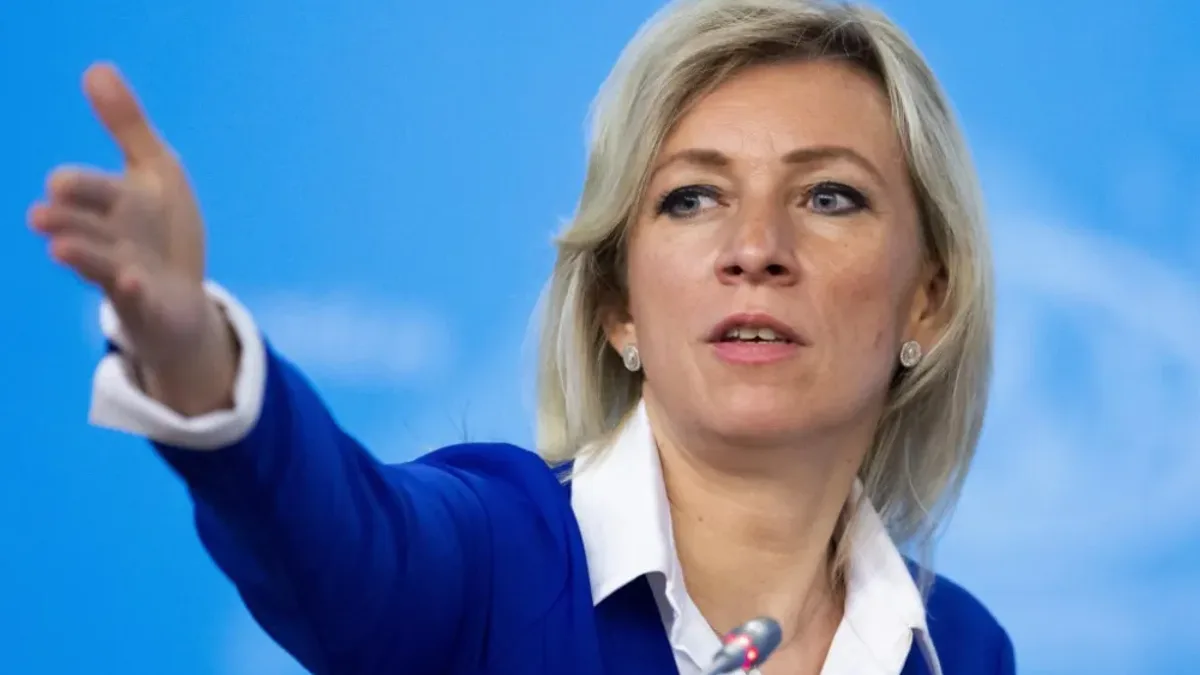
Russia will require visas from Montenegrin citizens starting November 1, Russian Foreign Ministry spokeswoman Maria Zakharova confirmed on Wednesday. Moscow presents the step as a response to Podgorica, which introduces a visa regime for Russian citizens on the same day. Serbia has already figured in this dispute once as a stopover: last week Russian military blogger Mikhail Zvinchuk was expelled from Montenegro to Serbia, and from there he returned to Moscow via Belgrade.
What did Zakharova say, and what came before?
Zakharova made the statement to the daily Izvestia, and it was picked up by the Podgorica paper Pobjeda. According to her, Montenegro’s Foreign Ministry informed the Russian side on September 28 that the 2008 agreement between the two governments on the terms of mutual travel by citizens was being terminated. RTCG gives that date, while Radio Free Europe says only that it happened in late September.
“Accordingly, citizens of Montenegro will also have to obtain visas to travel to Russia. Such a decision by Podgorica obviously damages Montenegrin interests,” Zakharova told Izvestia.
Russian citizens can enter Montenegro without a visa until October 31 and stay up to 30 days with a valid travel document. That ends on November 1, the same date Moscow has set for Montenegrin citizens.
Sources differ on when Podgorica made its decision. Beta, as relayed by N1, reports that the Montenegrin government decided in late July to introduce visas for citizens of Russia, Belarus, Turkey, China and Saudi Arabia. Radio Free Europe writes that in late September the government adopted a briefing on the need to cancel visa-free agreements with Russia, Belarus and Turkey.
Why is Podgorica introducing visas for Russians?
Montenegro cites alignment with the European Union’s visa policy. That is an obligation under Chapter 24, which covers justice, freedom and security, and one of the last benchmarks for closing it. For several years the European Commission has been urging Western Balkan countries to bring their rules in line with Brussels, to reduce the risk of irregular migration and abuse of visa-free regimes. Montenegro has so far provisionally closed 21 of 33 negotiating chapters, and plans to close all the remaining technical chapters by the end of the year.
Economic damage and neutrality, according to Zakharova
The Russian diplomat argues that the measure will reduce the number of Russian tourists, hit Montenegrin business and worsen the investment climate. She gave no figures. She also accused Podgorica of sacrificing relations with Russia for the sake of European integration:
“For the sake of European hopes, the achievements of many years in Russian-Montenegrin relations are being consistently undermined,” Zakharova said.
She added that Brussels will not make up for the losses either: “It is, of course, pointless for the Montenegrin authorities to count on Brussels compensating for the inevitable losses.”
Zakharova also commented on the region’s European prospects. In her account, the EU enlargement process no longer allows new members to keep a neutral status, and Russian diplomacy ties that to sanctions and support for Kyiv:
“Even the mere prospect of imminent accession to this group automatically brings with it the need to show solidarity with the anti-Russian course, including the introduction of sanctions, comprehensive support for the regime in Kyiv and adherence to other confrontational foreign policy goals and tasks,” the Russian Foreign Ministry spokeswoman said.
She concluded: “We hope the countries of the Western Balkans see these changes in the EU.”
The Zvinchuk case in the background
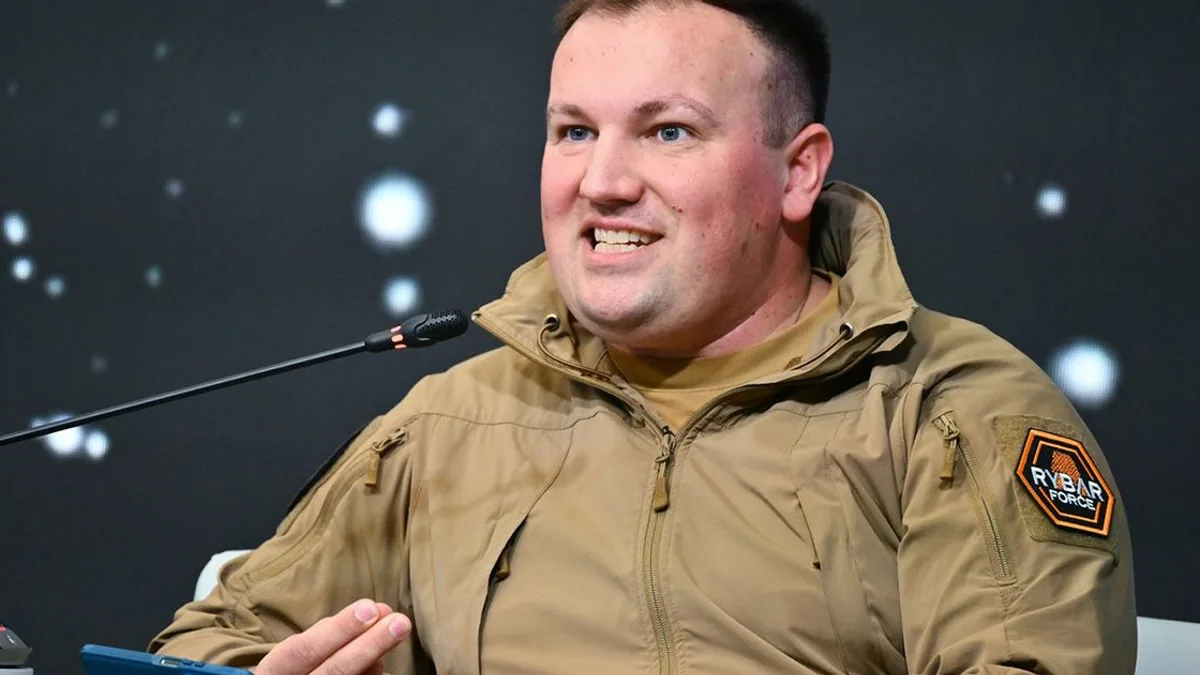
Relations between Podgorica and Moscow are strained by another event as well. Last week Montenegro detained Zvinchuk, founder of the Telegram channel Rybar, together with his wife Valeria and three associates, and the police justified the expulsion on grounds of national and internal security. The entry ban, which runs until October 10, 2027, was covered in our earlier report. EU spokesman Christian Wigand then said the Union is helping Montenegro resist hybrid threats, and recalled that Zvinchuk has been under EU restrictive measures since June 2023 “for his role in supporting Russia’s war of aggression against Ukraine and spreading disinformation and pro-Kremlin propaganda.”
In the published statements we reviewed, no official reaction from the Montenegrin government to Moscow’s announcement has been recorded.