Trump: US Could Strike Pickaxe Mountain Near Natanz
President Trump says Washington has intelligence on movement around the fortified Iranian complex and that a strike could come soon, as tensions continue over the Strait of Hormuz

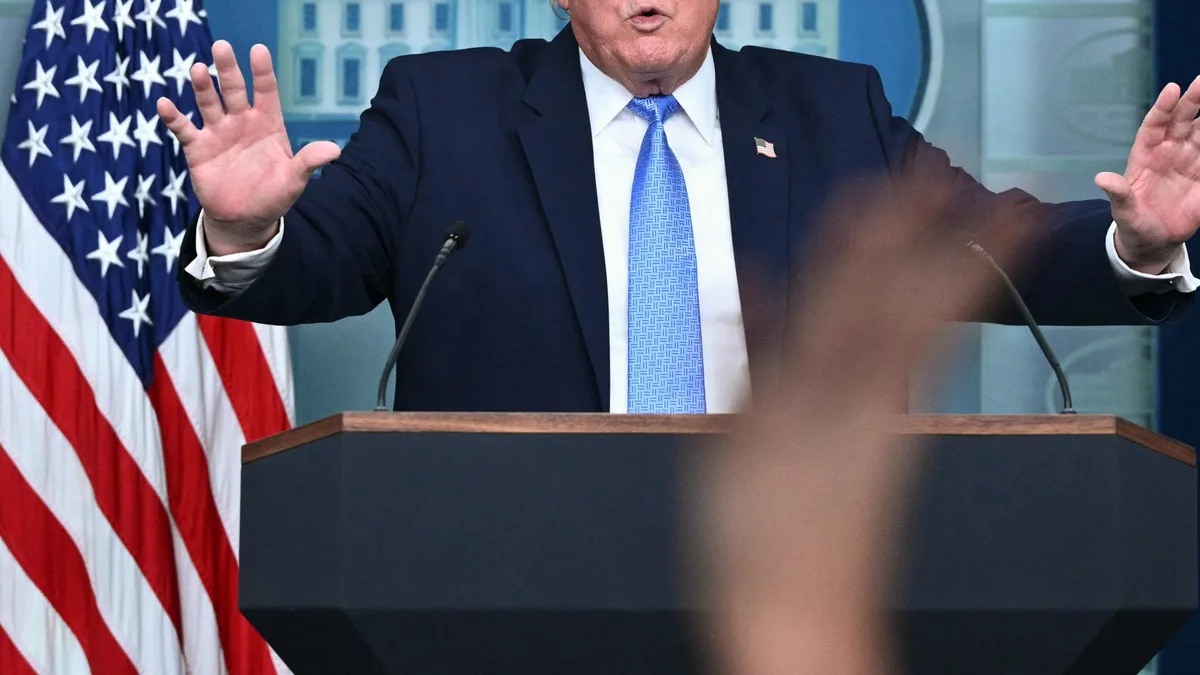
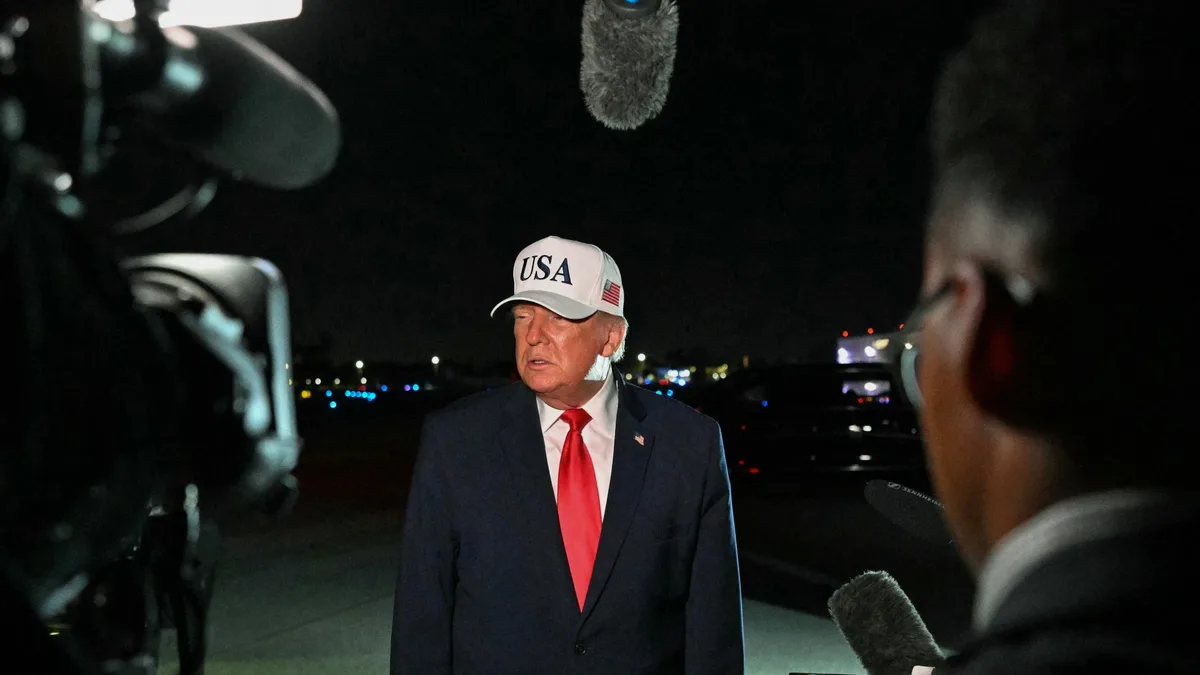
US President Donald Trump told reporters in Washington on Friday, September 4, that the United States could strike the Iranian site known as Pickaxe Mountain, a fortified complex near the already heavily damaged Natanz uranium enrichment facility, very soon. For Serbia, the statement is more than a distant headline from the Middle East: any new escalation around the Strait of Hormuz, through which a significant share of the world’s oil trade passes, feeds directly into regional energy prices, including the domestic market, which relies on imported crude oil.
What Pickaxe Mountain Is
Pickaxe Mountain is, according to a description carried by the Jerusalem Post, a heavily fortified site built around two deeply buried tunnel complexes, located close to Natanz, the facility that has already sustained serious damage in earlier air strikes. Trump said Washington has precise visibility into everything happening around the site, and credited that intelligence to the US Space Force.
“We are leading in space. We know everybody that moves at Pickaxe, we know everybody that moves anywhere, all over Iran,” Trump told reporters.
Asked whether the situation should be called a war, the US president said he preferred the term “military conflict,” adding that a potential strike would not amount to a major undertaking for Washington. “For us, that’s a small thing. That’s not a big deal,” Trump said.
The Conflict Since Late February
The current exchange of strikes between the United States, Israel and Iran has been under way since late February 2026, when Washington and Tel Aviv launched extensive air strikes on Iranian territory, focused on nuclear infrastructure. Despite those strikes, the International Atomic Energy Agency estimates that more than 200 kilograms of uranium enriched to 60 percent survived the bombing of the Isfahan and Natanz facilities, a figure that helps explain why Washington is still weighing further strikes on remaining, more deeply buried sites such as Pickaxe Mountain.
This outlet has previously reported on the US strike on a wedding in the town of Kuhestak, after which Iran asked the International Court of Justice in The Hague to open an investigation, an episode that shows the conflict is not being waged solely against military or nuclear targets.
The Strait of Hormuz and the Mines
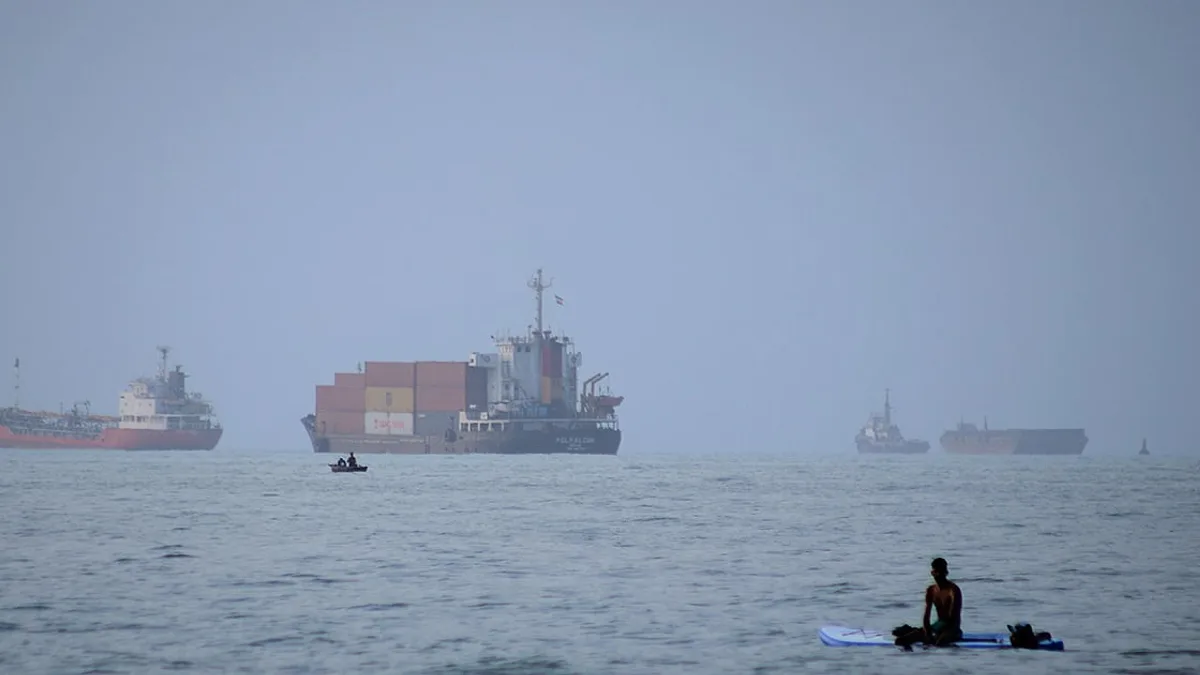
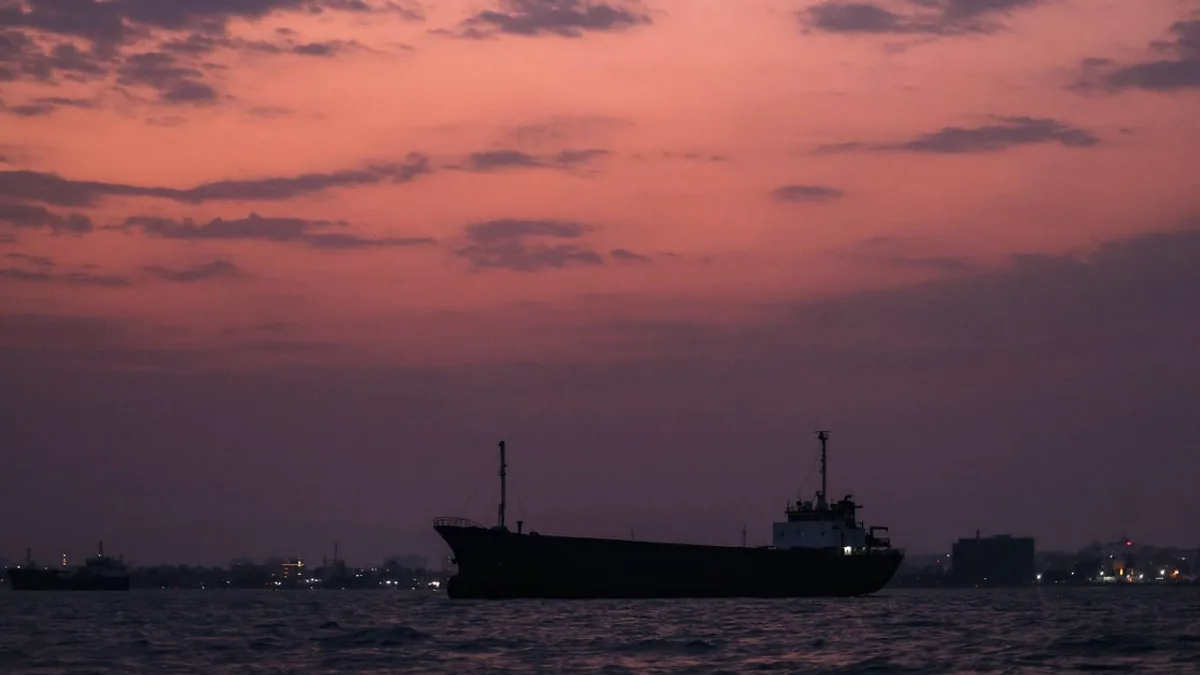
Trump also addressed the Strait of Hormuz, a key chokepoint for the global oil trade where Iran had previously laid mines. According to him, US forces have cleared them completely. “We removed all the mines. They had some mines, we picked them all up with our minesweepers,” the US president said.
Trump added that alternative routes for transporting oil through the region are being built in parallel, pipelines that, in his words, could make the strait itself unnecessary. He said building a pipeline network across the Middle East would make the Strait of Hormuz unnecessary, effectively signaling that Washington is counting on a long term reduction in the strait’s importance to the global energy market.
Why This Matters for Serbia and the Region
The Western Balkans have no direct influence over how the standoff around Natanz unfolds, but every new threat of a strike on Iran’s nuclear infrastructure injects nervousness into the oil market, one that Serbia also depends on through its crude oil imports. Whether a strike on Pickaxe Mountain will actually happen, and when, Trump did not specify. Judging by the tone he used on Friday, the decision in Washington already appears to have been made, leaving only the question of timing.