Dodik Meets Netanyahu in Jerusalem Ahead of Bosnia Vote
Benjamin Netanyahu received Milorad Dodik in Jerusalem today, two weeks before Bosnia's elections. Earlier that day, Dodik met Israeli Minister Amichai Chikli in Tel Aviv.

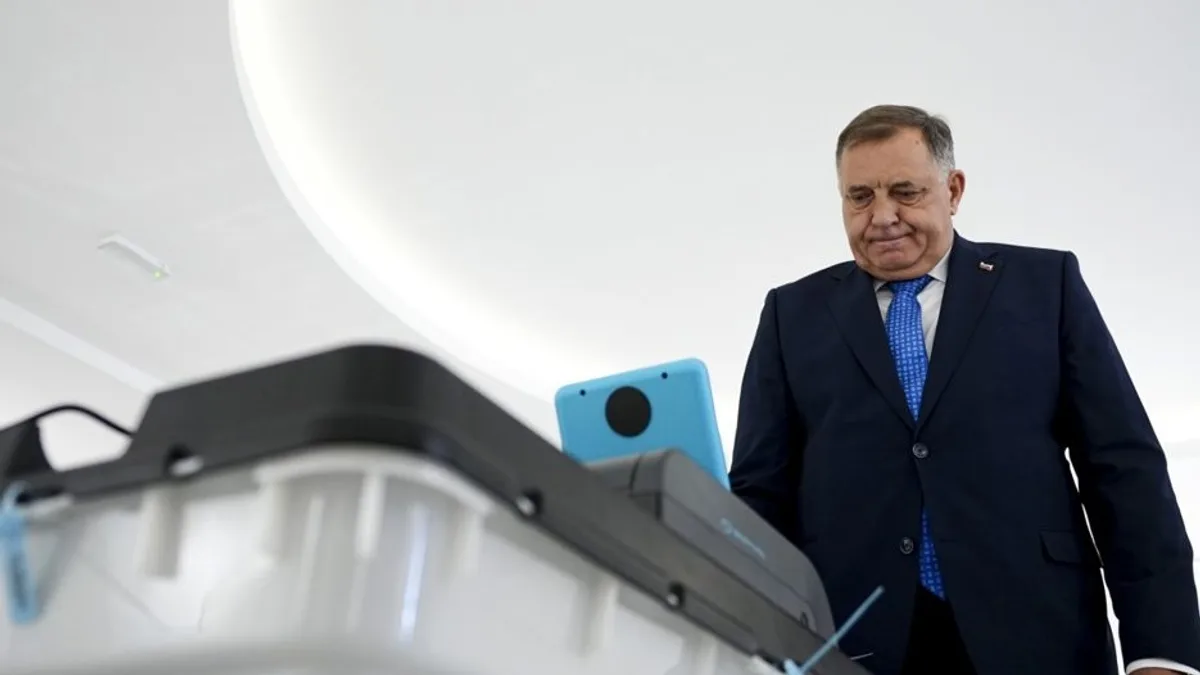
SNSD president Milorad Dodik met today in Jerusalem with Israeli Prime Minister Benjamin Netanyahu, two weeks before elections in Bosnia and Herzegovina in which Dodik is again seeking a mandate. The meeting matters for Belgrade because Republika Srpska has spent recent years building a relationship with Israel as an additional point of support at a time when its ties with the West are strained, and the picture of who stands behind Banja Luka ahead of the vote carries weight for the wider region as well.
According to a report from RTRS, the meeting with Netanyahu continued talks Dodik had announced before the trip: strengthening relations between Republika Srpska and Israel, finalizing agreements on specific economic projects, and advancing cultural and scientific cooperation, particularly between universities. Dodik said, RTRS reports, that Republika Srpska wants to turn friendships and partnerships into concrete projects, investments, exchange of knowledge and new opportunities for Srpska.
The Republika Srpska delegation, alongside Dodik, included acting director of the Office for International Cooperation Ana Trisic Babic and Republika Srpska Interior Minister Zeljko Budimir. The same trio, according to the Kurir portal, had already attended a meeting in Tel Aviv earlier the same day.
What Was Agreed With Minister Chikli
Before traveling to Jerusalem, Dodik met in Tel Aviv with Israeli Minister of Diaspora Affairs and Combating Antisemitism Amichai Chikli, with whom he discussed relations between Republika Srpska and Israel. Kurir reports that Dodik, in a post on X, described the meeting as a continuation of talks that began in Banja Luka:
Another meeting with Chikli, not long after he was a guest of Banja Luka and Republika Srpska at the opening of the Israeli Chamber of Commerce office. Back then we agreed that friendship should be turned into concrete investments, technology and economic cooperation. Today’s meeting was a continuation of that conversation and confirmation that relations between Republika Srpska and Israel are gaining ever more concrete substance.
Dodik also said, Kurir reports, that Republika Srpska wants to institutionalize cooperation with Israel, particularly in new technologies, the economy, agriculture, security and cyber protection, since Israel, as he put it, leads the world in that field. Chikli, for his part, expressed hope that the question of establishing direct flights between Israel and Republika Srpska would be resolved, and said he had liked Banja Luka during his recent stay in Srpska.
The same day, Dodik also met in Tel Aviv with Israeli war veteran Moshe Levi, a recipient of Israel’s Medal of Courage. Dodik decorated Levi last year with the Order of the Flag of Republika Srpska with Golden Wreath, so this meeting, according to sources, had more the character of renewing an earlier acquaintance than a protocol event.
Why Does the Meeting Matter Ahead of Bosnia’s Elections?
The meeting with Netanyahu comes as Bosnia and Herzegovina’s political scene turns toward elections in two weeks, which will again test how firmly Dodik holds Republika Srpska’s institutions. The images from official meetings in Jerusalem and Tel Aviv, together with announcements of concrete economic projects and possible direct flights, are part of the same narrative SNSD has built during earlier visits: that Republika Srpska has partners beyond its traditional allies in Belgrade, Moscow and Budapest.
For Serbia this matters on two levels. First, every new point of support for Banja Luka indirectly shifts Belgrade’s negotiating position in talks with the West over Republika Srpska’s status within Bosnia and Herzegovina. Second, the announced cooperation in security, cyber protection and agriculture, if it actually turns into concrete contracts, could become a model for other countries in the region seeking investment outside the usual European channels.
Neither the Republika Srpska government nor the Israeli side has so far announced a date for signing the specific agreements mentioned at the meetings in Jerusalem and Tel Aviv. The next opportunity for that will come only when Dodik, back in Banja Luka, lays out the details for voters, two weeks before polling stations open in Bosnia and Herzegovina.