Plenkovic, Penava Respond to Vucic's UN Speech
Croatia's prime minister and deputy prime minister responded to Vucic's claim that Croatia takes pride in its Nazi past, a day after the Serbian president mentioned Jasenovac at the UN.

Croatian Prime Minister Andrej Plenkovic and Deputy Prime Minister Ivan Penava responded on the evening of September 24, in New York and in Zagreb, to a speech by Serbian President Aleksandar Vucic before the UN General Assembly, in which Vucic said Croatia takes pride in its Nazi past. For Belgrade the exchange is more than a diplomatic episode: Plenkovic has explicitly tied Serbia’s path to the European Union to this very dispute, arguing that every such statement from the Serbian president pushes Serbia further away from European values and from EU membership.
Speaking from New York, Vucic accused Croatia of using Nazi symbols and slogans and said Serbia would not accept what he called “moral lecturing” from Zagreb. He also referenced the suffering of Serbs, Jews and Roma at the Jasenovac concentration camp. At the same time, he spoke about Serbia’s European ambitions, thanked European leaders for their support so far, and proposed gradually including the Western Balkans in the EU single market and the Schengen area ahead of full membership.
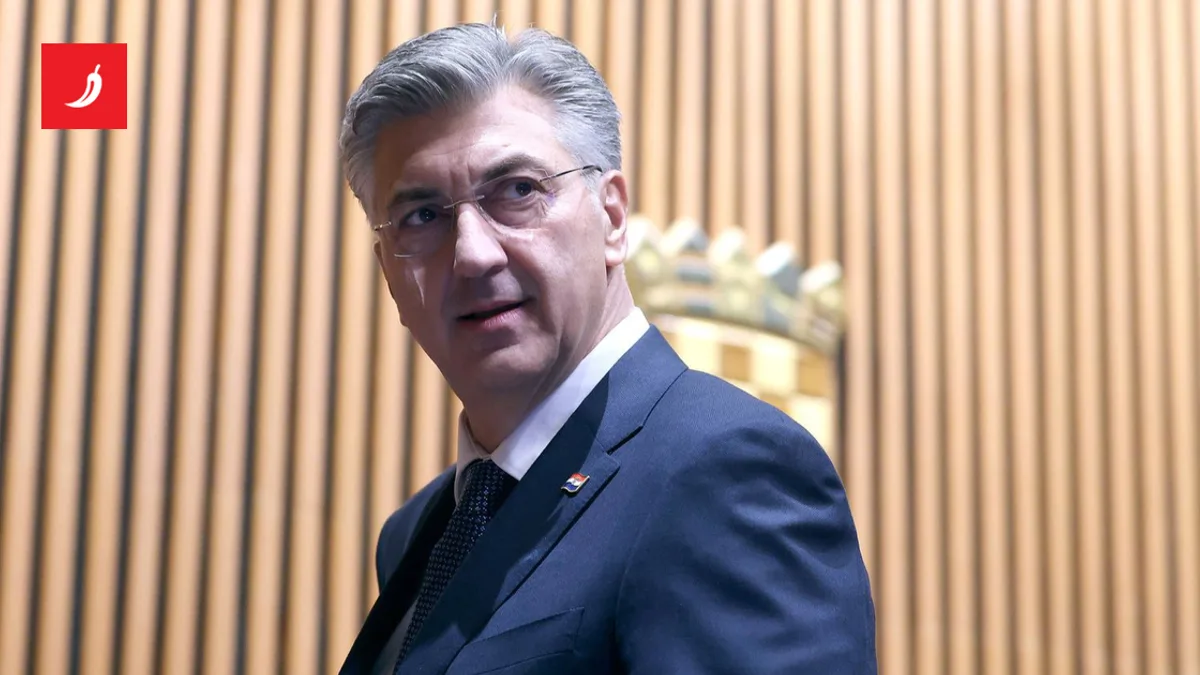
Asked by reporters in New York about that part of the speech, Plenkovic said the Serbian president was continuing a campaign rather than owning up to his own earlier moves.
“Instead of covering himself in ashes for what they did, he is obviously continuing that unfounded, defamatory campaign against Croatia, one that not even he believes, let alone the international community,” Plenkovic said.
He added that every such statement is one more step away from European values and from Serbia’s membership in the European Union. The Croatian prime minister said this part of Vucic’s address was expected, since Plenkovic himself had previously criticized Serbia at the same world body over the funeral of Ratko Mladic, convicted of war crimes and genocide in Bosnia and Herzegovina, which was held with military and state honors. Vucevic responded to that earlier criticism at the time, as Srpske Novine previously reported, meaning the exchange between Zagreb and Belgrade at the UN is now in its second round in under a week.
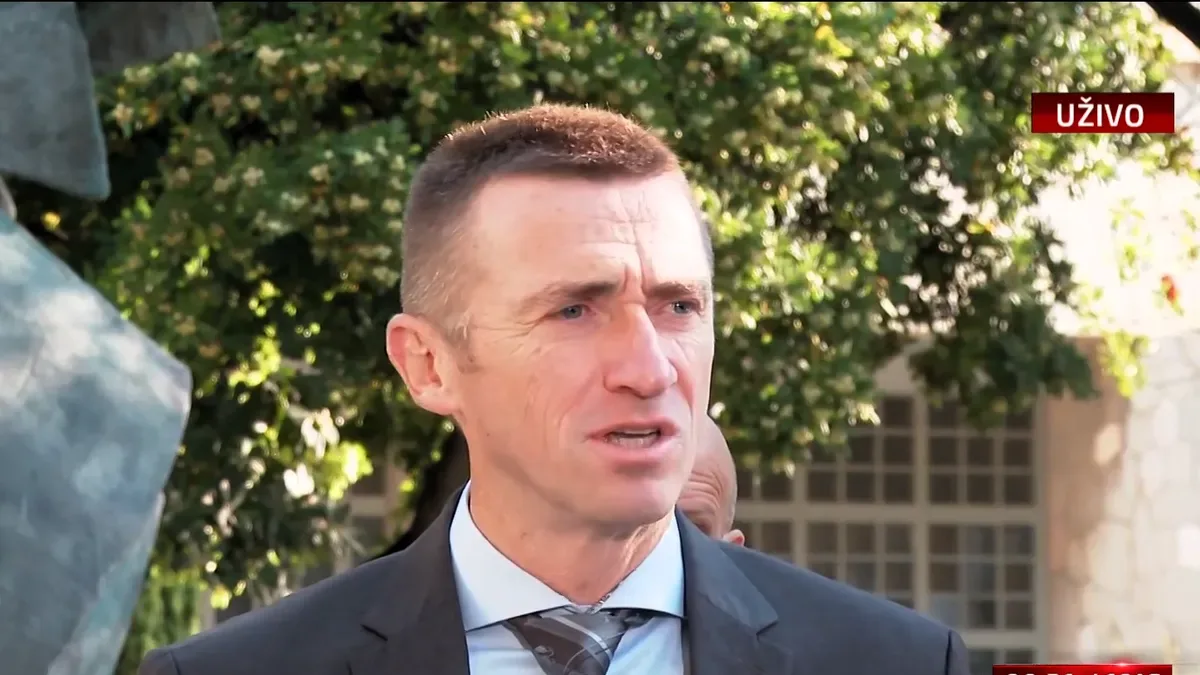
Alongside Plenkovic’s response, Ivan Penava, president of the Homeland Movement and deputy prime minister, also spoke out on September 24, after a session of the Commission for Establishing the Fate of Victims of Postwar Partisan and Communist Crimes. The session was postponed for lack of quorum, and Penava announced it would be held the following Friday.
Commenting on Vucic’s speech, Penava said that no one in Croatia today glorifies the wartime movements of the past, including the one he said is close to part of Serbian politics.
“No one in Croatia today glorifies the Nazi or Ustasha army, nor the Partisans or communists, but by the same token no one glorifies, and no one will glorify, the Chetniks either,” Penava said.
Unlike Plenkovic, who spoke about European values in general terms, Penava made Serbia’s EU membership conditional on its relationship with the Chetnik movement.
“The Republic of Serbia is welcome in the European Union, but the Chetniks and the Chetnik movement never will be,” Penava said, before adding a sharper line.
“As long as the Homeland Movement stands guard, and we will stand guard for as long as the Croatian people think we should, there is no chance that a Chetnik Serbia will enter the European Union,” he warned.
Within a few hours, two Croatian officials had answered Vucic’s speech from two different angles: Plenkovic as head of government, tying the dispute to Serbia’s formal path toward Brussels, and Penava as party leader, tying it to how the wartime past is interpreted. For Belgrade, that means the Mladic funeral and the Chetnik legacy will remain open questions between the two countries for as long as Serbia’s EU accession process continues, with the next formal flashpoint set for Friday’s Commission session, where Penava says conclusions on the final phase of the war and postwar crimes will be announced.