Ethiopia expels 10 Eritrean diplomats, Eritrea cuts ties
The two capitals traded blows on the same day, while fighting in Afar and Tigray has gone on since last week. The 2018 peace is left without embassies in both capitals.

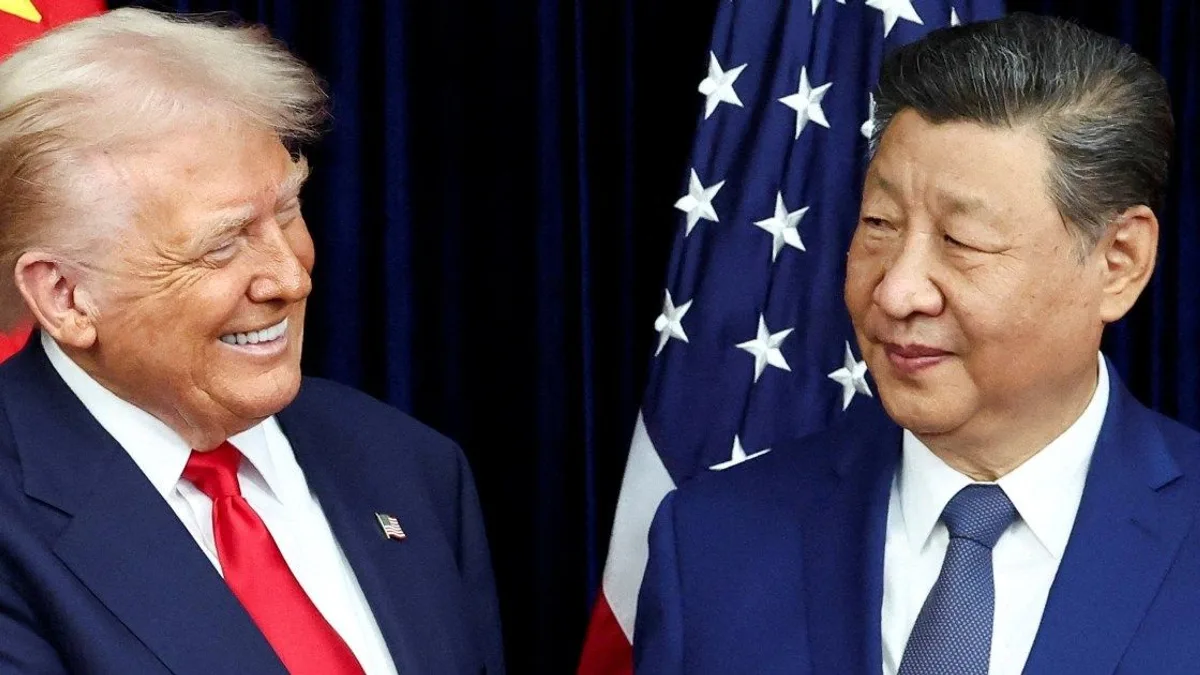
Ethiopia closed its embassy in Asmara on Thursday, October 1, 2026, and gave ten Eritrean diplomats 48 hours to leave, and Eritrea answered the same day by cutting all diplomatic relations. The two Horn of Africa states, which signed a peace deal in 2018, are now left without a single regular diplomatic channel, just as northern Ethiopia sees its heaviest fighting since the civil war of 2020-2022 ended.
We have already reported on the explosions in Addis Ababa and the deaths near Alamata. This is a separate event, but it cannot be read apart from them.
What exactly did Addis Ababa announce?
Ethiopia’s Foreign Ministry said it was closing the embassy in Asmara in response to Eritrea’s “direct and indirect hostile actions.” Ten Eritrean diplomats in Addis Ababa were declared persona non grata, on the grounds that they took part in activities that threaten Ethiopia’s national security and violate the Vienna Convention on Diplomatic Relations. According to Reuters, the diplomats’ names were not released. Al Jazeera reports that they include a chargé d’affaires and diplomats accredited to the African Union.
In the same statement Ethiopia asks Asmara to stop what it calls conduct contrary to the principles governing relations between sovereign states, but it leaves the door open:
“Ethiopia values its strong historical, cultural and people-to-people ties with Eritrea and has consistently prioritized peaceful coexistence, regional stability and integration.”
The ministry also called on Eritrea to halt all actions that, as it put it, run against those principles. The statement does not say whether the embassy closure is permanent, or under what conditions the channels could reopen.
How did Asmara respond?
Eritrea’s Foreign Ministry replied the same day on X. Information Minister Yemane Gebremeskel told Reuters that by expelling all the diplomats, Ethiopia has in effect shut the Eritrean embassy in Addis Ababa too. The ministry’s statement reads:
“Eritrea has no choice but to reciprocate and cut all diplomatic ties with Ethiopia, with all the negative consequences that entails.”
Asmara calls the claims of involvement in hostile activity astounding and turns the accusation around. In its words, Addis Ababa pursues a policy of constant hostility, waged war on Eritrea to gain access to the Red Sea, and hosts, trains and arms Eritrean opposition groups to stir up internal conflict.
For its part, Ethiopia accuses Eritrea, Sudan and Egypt of backing an opposition alliance led by the Tigray People’s Liberation Front (TPLF), which has been fighting forces loyal to the federal government since last week. All three countries deny it.
Why has Egypt been drawn into the dispute?
The same day, Ethiopia also declared one Egyptian diplomat persona non grata, with the same 48-hour deadline, the state-run Ethiopian Broadcasting Corporation reported. Cairo answered by expelling an adviser at the Ethiopian embassy in Egypt, Al Qahera News reported, citing an Egyptian official. Egyptian Foreign Ministry spokesman Nader Zaki told Reuters that Cairo’s move was justified:
“Reciprocity is the currency of diplomacy.”
What is happening on the ground?
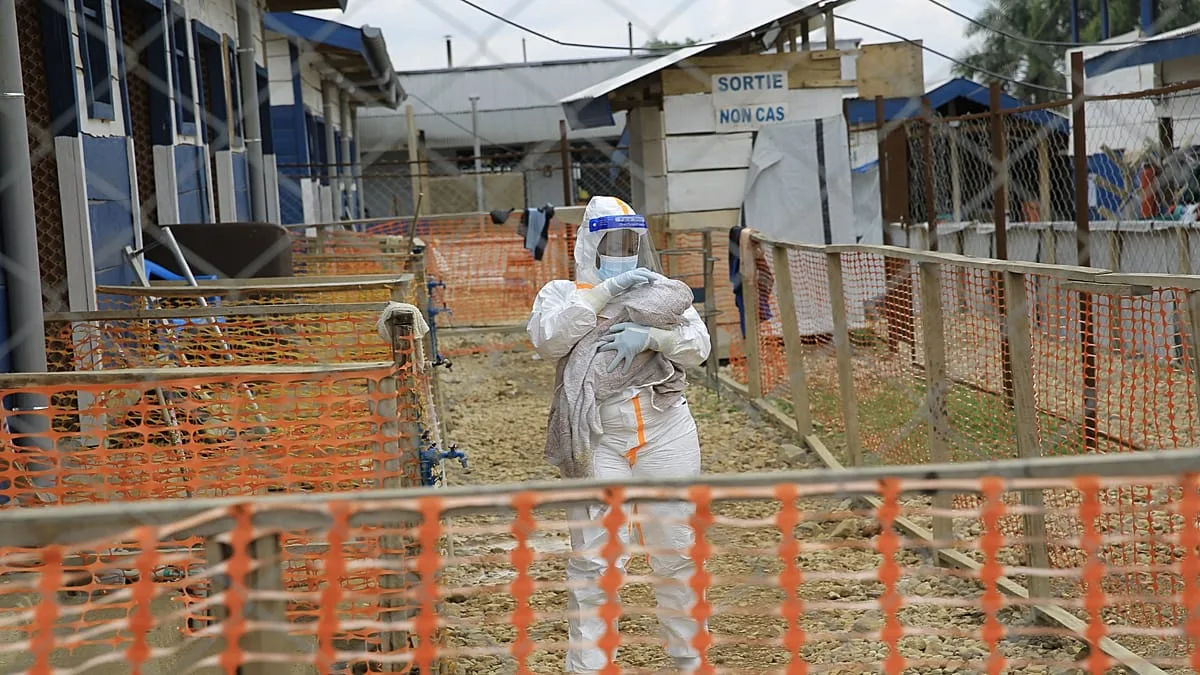
The TPLF-led alliance has been fighting federal forces in the Afar region since last week, and clashes are also reported in Tigray and Amhara. Afar regional head Hadji Awal Arba told Al Jazeera that Eritrean soldiers had crossed into Afar and joined the alliance’s offensive. Eritrea denies helping armed groups. Reuters also quoted Valerie Browning, founder of the Afar Pastoralist Development Association, as saying the fighting in Afar has driven tens of thousands of people from their homes.
Three diplomatic sources who did not want to be named confirmed the explosions in Addis Ababa on the night between Wednesday and Thursday. A source linked to the opposition alliance told Reuters that drone strikes were carried out in the capital, including on a military headquarters, but this has not been independently confirmed. Witnesses said there was no visible damage near the military base, and the prime minister’s office, the federal government, the army and the TPLF did not respond to journalists’ queries.
U.S. Representatives Ilhan Omar, Jim McGovern and John Garamendi urged all sides in a Thursday statement to “immediately recommit to peace negotiations”:
“This escalated conflict threatens the entire country and the broader region, which is already recovering from the previous war in northern Ethiopia and the devastating conflict in Sudan. Ordinary civilians are bearing the brunt of this violence.”
The African Union Commission urged Ethiopia, Eritrea and Egypt to show maximum restraint and to settle their differences through established diplomatic channels and peaceful dialogue. The African Union and the United Nations also warned of a growing risk to civilians and humanitarian operations.
How did relations reach the breaking point?
Ethiopia reopened its embassy in Asmara in 2018, when Prime Minister Abiy Ahmed and President Isaias Afwerki signed a peace deal after the 1998-2000 war. Abiy won the Nobel Peace Prize for that rapprochement. The civil war of 2020-2022 killed several hundred thousand people, and Eritrea fought in it on the federal government’s side against the TPLF.
Relations soured soon after that war ended. Eritrea was not a party to the Pretoria Agreement of November 2022, which ended the fighting. Access to the Red Sea adds further strain: Abiy has repeatedly said that Ethiopia, a landlocked country, has a right to it, and Asmara, according to Reuters, fears that Addis Ababa will try to seize the port of Assab by force.
The history of this relationship has never been smooth. Ethiopia annexed Eritrea in 1962, and the armed struggle for independence, led by today’s president Isaias Afwerki, ended with independence in 1993.