Ethiopia tells UN Eritrean troops pushed 60 km into Tigray
Addis Ababa's first official position on the incursion: in an October 8 letter to the Security Council it invokes the right to self-defense, while Asmara calls the reports a pretext for war.
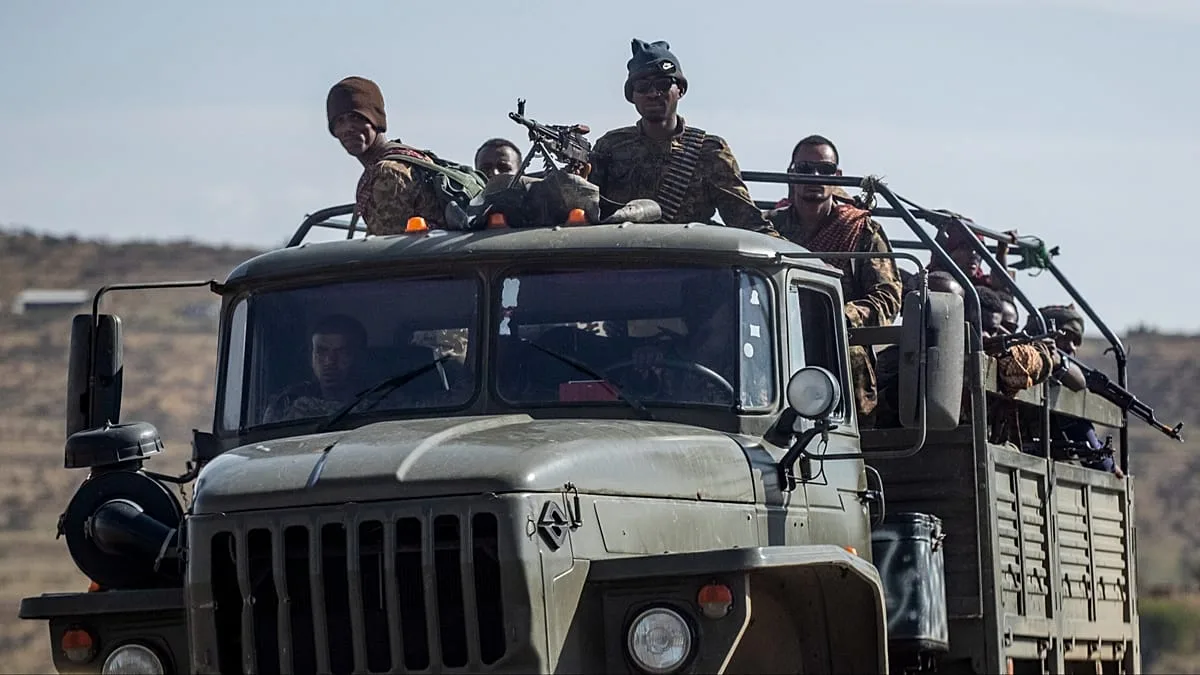
On Friday, October 9, Addis Ababa officially confirmed for the first time what until now only witnesses had described: Eritrean forces are deep inside Ethiopia. Foreign Minister Gedion Timotevos says soldiers from neighboring Eritrea have advanced up to 60 kilometers into the Tigray region in the north of the country, and the Ethiopian government calls it an attack that gives it the right to self-defense. It is the government’s first public position on the incursions that this week raised fears of open war between the two Horn of Africa states.
What does the letter to the Security Council say?
The letter is dated Thursday, October 8, 2026, and a senior Ethiopian official handed it to Reuters on Friday. It is addressed to French Foreign Minister Jean-Noel Barrot, and the same official said it was also sent to the other members of the United Nations Security Council. The government describes the Eritrean presence on Ethiopian soil in these words:
“Eritrea’s full-scale invasion of parts of northern Ethiopia is a matter of public record. It is a flagrant act of aggression that triggers Ethiopia’s inherent right to self-defense.”
The letter adds that Eritrea has also brought mechanized units into Ethiopia, and Addis Ababa appeals to the Council members: “At this difficult moment, when Ethiopia has been left with no option other than to defend itself, we count on your understanding, support and solidarity.”
What is actually happening on the ground?
On Wednesday, October 7, witnesses saw Eritrean soldiers pass through Adigrat, a town about 30 kilometers from the border. The US conflict-monitoring organization ACLED says drones, believed to be Ethiopian, struck Eritrean forces on Wednesday and Thursday as they withdrew from positions near Adigrat. One witness, who spoke to AFP on condition of anonymity, said: “Yesterday there were many, many drone attacks. Some Eritrean trucks were destroyed. They are no longer on the streets.”
A resident of Adigrat said on Friday that he heard successive explosions a few kilometers outside the town through the night and into the morning. Gebreigziaber Bejene, commander of the Tigray Peace Forces, said in a statement carried by news agencies on October 7: “The Eritrean army entered Tigray in uniform, with heavy weapons.” No casualty figures have been released.
What does Asmara say?
Eritrean Information Minister Yemane Gebremeskel on Wednesday called the reports of an incursion part of an Ethiopian plan to justify a war of aggression against Eritrea. In a post on X he wrote that Ethiopia is “openly working for regime change in Eritrea by sheltering and supporting certain mercenaries who claim to be the opposition.” He did not respond to a request for comment on Friday, and a spokesperson for Prime Minister Abiy Ahmed has not commented either.
Ethiopia claims Eritrea backs an alliance of rebels who have been fighting federal troops in the Tigray, Amhara and Afar regions since September 23, and Asmara denies it. Addis Ababa has also pointed the finger at Sudan and Egypt over alleged support for the coalition led by the Tigray People’s Liberation Front.
How did Ethiopia and Eritrea get here?
Eritrea has been independent since 1993, and the two states fought a war from 1998 to 2000. Peace was signed in 2018, which earned Abiy the Nobel Peace Prize, and Eritrea sided with the federal government in the Tigray civil war from 2020 to 2022. Relations soured before that war ended.
The two have been on the brink of open conflict since the start of the month:
- On October 1, Ethiopia closed its embassy in Asmara and expelled 10 Eritrean diplomats
- Eritrea responded by cutting all diplomatic ties
- Asmara accuses Addis Ababa of planning an invasion to gain access to the Red Sea, while Prime Minister Abiy says he seeks sea access by peaceful means
The fighting, which has run since late September, is the biggest escalation of violence since the Tigray war, in which hundreds of thousands of people lost their lives. There are also fears that the unrest could spread across the Horn of Africa, where the three-year civil war in Sudan has already drawn in foreign powers.