US Sanctions the International Criminal Court in The Hague
Secretary of State Marco Rubio announced a ban on transactions with the court, eight states and the UN condemned it, and Belgium wants the EU to trigger its Blocking Statute.
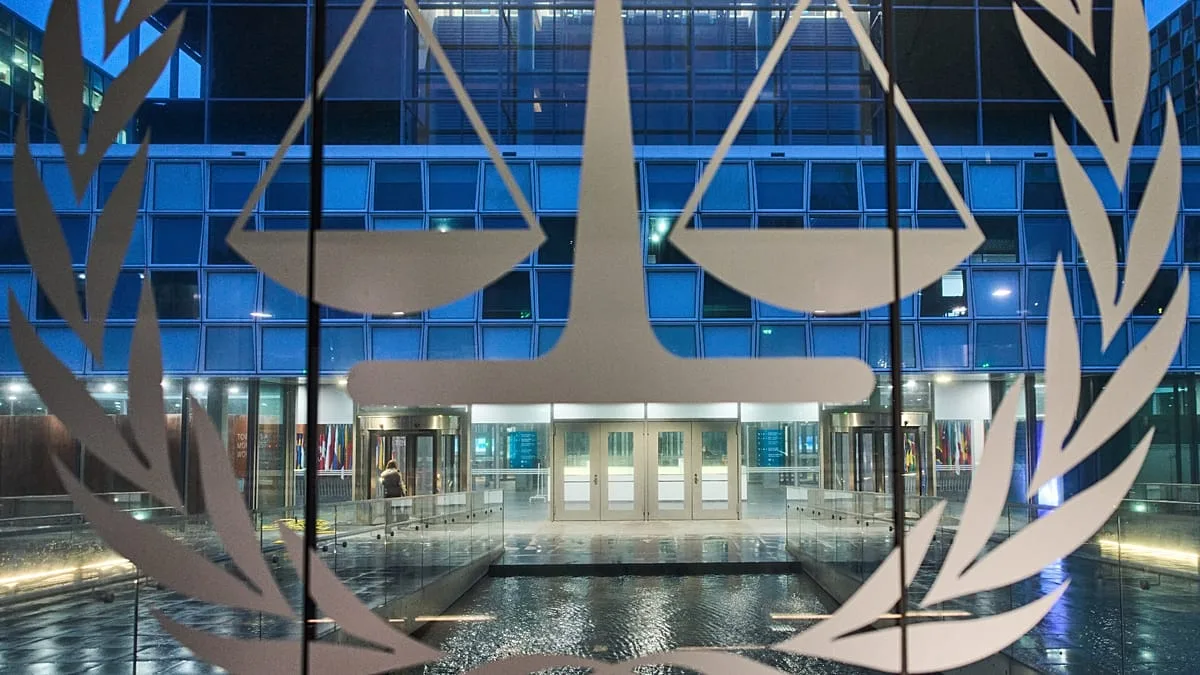
The United States imposed sanctions on the entire International Criminal Court in The Hague on Friday, October 9. The target is no longer just the individual judges and prosecutors already on the American list, but the institution itself. Secretary of State Marco Rubio announced the ban on transactions in a video address on social media. Eight states and the United Nations responded the same day, and Belgium is asking that EU foreign ministers discuss the matter on Monday.
What exactly do the US sanctions ban?
In his address, Rubio said Washington is moving to cut off the court’s funding.
“We will ban transactions with this rogue court, cutting off its funds.”
The same day he added a political message: “The United States and the American people are not subject to the jurisdiction of this sham International Criminal Court.” The penalties were published by the US Treasury Department. They include an initial wind-down period of six months, with exceptions for telecommunications, software, pension payments and transactions related to detainees. Rubio said the sanctions give the court and its member states a chance to address American objections, and that the measures will be adjusted if they do not.
Washington argues that the court overstepped its authority by prosecuting officials of non-member countries such as Israel. The United States and Israel have never joined the court, which was founded in 2002 and has 125 member states. In 2024 the court issued an arrest warrant for Israeli Prime Minister Benjamin Netanyahu over the war in Gaza. Before this move, Washington had already sanctioned more than ten of the court’s judges and prosecutors.
How did the court respond?
The court called the decision an attack on the rule of law and urged its 125 member states to defend it. Its statement included these lines:
“The Court cannot stand alone. Its fate now also lies in the hands of the states that founded it. This is not only about defending one institution, but about preserving an international order based on the rule of law. History will judge this moment.”
Who spoke up in Europe, Canada and Japan?
A joint statement was signed by the foreign ministers of the United Kingdom, Denmark, France, Germany, Italy, the Netherlands, Canada and Japan. They wrote that they regret the sanctions and strongly disagree with them, and warned about the consequences for the court’s staff:
“If they come into force, these sanctions will have a significant impact on the work of the Court, its dedicated staff and their families. We remain united in our support for the International Criminal Court and are ready to engage in constructive and inclusive dialogue with non-member states.”
Dutch Foreign Minister Tom Berendsen, whose country hosts the court, called the decision deeply regrettable. He added that the sanctions will take effect only in six months, that service providers can continue working for the court, and that the deadline “leaves room for dialogue.”
Belgian Foreign Minister Maxime Prevot went further and asked for a concrete European step: “Belgium calls for the activation of the EU Blocking Statute to protect the court.” Prevot said Brussels will discuss support for the court with EU foreign ministers on Monday, October 12, and at the upcoming European Council.
UN Secretary-General Antonio Guterres is deeply disturbed by the expected impact of the sanctions on the court as a whole, and especially on its ability to carry out its mandate, his spokesperson Stephane Dujarric said. UN High Commissioner for Human Rights Volker Turk called the measures unacceptable. Human Rights Watch Executive Director Philippe Bolopion said the American administration has made clear its aim to “destroy” the court and shield American and Israeli officials from indictment.
What does Israel say?
Amid the broad condemnation, Israel praised the decision. Prime Minister Netanyahu thanked Trump and Rubio on X for a “critical decision” and wrote:
“The International Criminal Court is not a court. It is a political body that poses a mortal threat to law-abiding democracies around the world and to the very idea of national sovereignty.”
What else happened the same day with the Nobel Prize?
The sanctions were announced on the day the Nobel Peace Prize went to Navi Pillay, a South African jurist who served as a judge in the Appeals Chamber of the International Criminal Court from 2003 to 2008 and in 2008 became the UN High Commissioner for Human Rights. US President Donald Trump, in a post on Truth Social, called the Norwegian committee’s decision an “indelible stain on Norway,” and among the conflicts he claims to have “ended” he listed Kosovo and Serbia. The two events fall on the same date, but no link between them has been established.
Until the six-month deadline in the American decision runs out, the first date on the European side is Monday, when Belgium’s request for the Blocking Statute reaches the EU foreign ministers.