Zagreb Holding Strike: 1,192 Workers Must Stay on the Job
An arbitration panel ruled that 22 percent of Zagreb Holding staff must work on every strike day, a quarter of them at the waste unit Cistoca. No ruling yet for ZET.
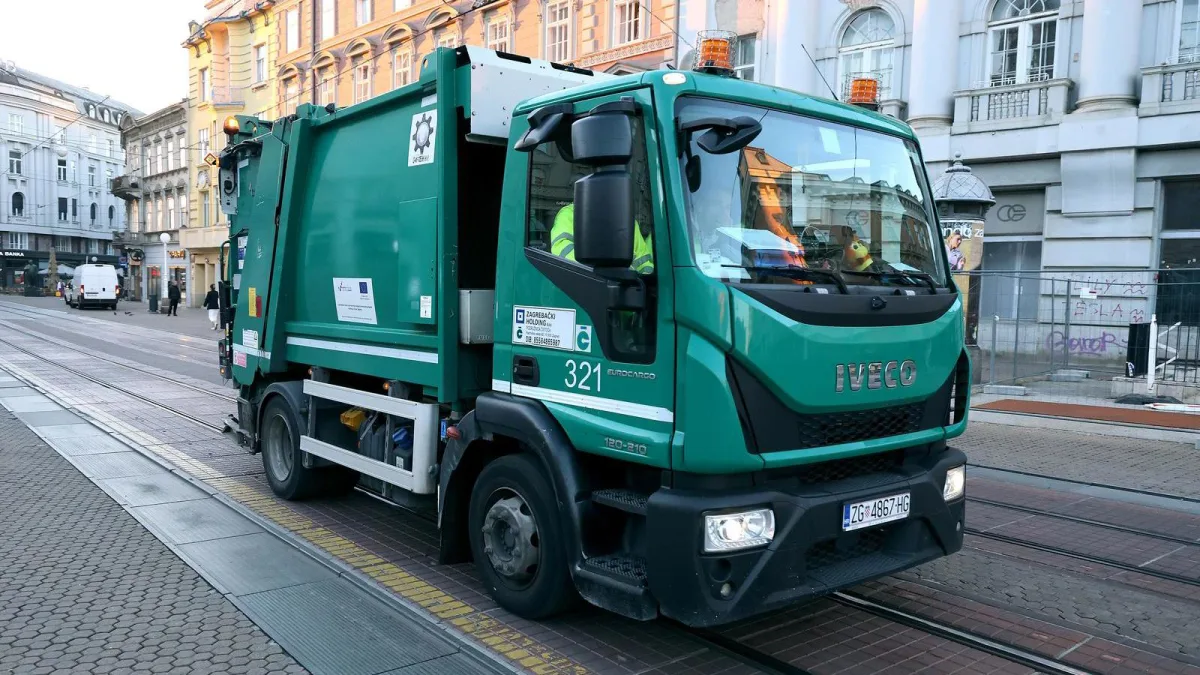
An arbitration panel in Zagreb has ruled that at least 1,192 workers, or 22 percent of employees, must work every day if a strike breaks out at Zagreb Holding. Croatian newsrooms, including HRT and Index, published the decision on October 11. Croatia is a European Union member and a direct neighbor of Serbia, so the way its capital settles a dispute over municipal services is watched beyond its borders. There is still no ruling for the Zagreb Electric Tram (ZET).
What did the arbitration panel decide?
The proceedings pitted the management of Zagreb Holding against the representative unions, which could not agree on which jobs are essential and how many people must perform them. When the sides cannot agree, an independent panel decides the disputed question, and that is what happened here.
The decision contains two figures:
- across the whole Holding, at least 1,192 workers, or 22 percent of employees, must work on every day of a strike
- in the Cistoca waste-collection branch, 25 percent of employees, a quarter of the staff, must work
These are so-called essential services, work that cannot be stopped entirely because it matters for the health, safety and daily life of residents. According to Croatian media, the aim is to guarantee a minimum level of service, not to keep the municipal system running as usual.
What does the ruling leave unchanged?
The arbitration does not ban strikes. Workers still have the right to strike, but those assigned to essential duties are obliged to carry them out. Index reports that the decision applies to any future strikes at the Holding.
Before the ruling, the two sides were far apart. According to earlier reports in Croatian media, Holding management wanted slightly more than 35 percent of workers on duty, while the unions offered about three percent. The final 22 percent falls between the two offers.
How did the dispute reach arbitration?
The strike of Zagreb Holding and ZET employees began on September 28, driven by dissatisfaction over wages, collective agreements and other material rights. During the strike there were noticeably fewer trams and buses on Zagreb’s streets, and Cistoca collected waste only on a very limited scale, so garbage began piling up in parts of the city.
On September 30, the County Court in Zagreb ruled that the strike at the Holding was unlawful. The ruling is not final. Cistoca restored regular waste collection the same day, and in the following days workers cleared what had accumulated. The dispute has thus raised the question of the minimum services residents must receive even while workers exercise their right to strike.
What about ZET?
For ZET, which runs Zagreb’s trams and buses, the arbitration process is not finished. It is still unclear how many public transport vehicles must run in the event of a strike, so passengers are left wondering what level of service will be guaranteed. The ZET decision is expected later, and Croatian media have not given a date.