

Slovenia referendum: voters reject Jansa inquiry law
The parliamentary inquiry law failed with 50.5 percent against, while three advisory proposals passed, including one ending local voting rights for foreigners, Serbian citizens among them.
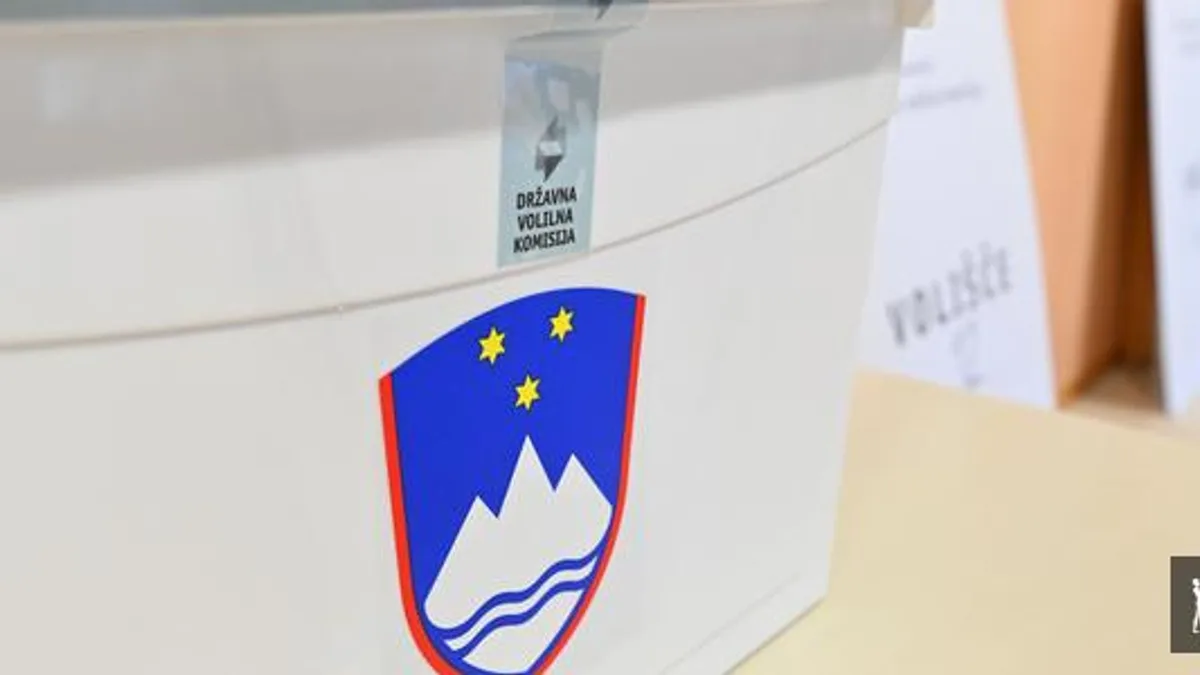
Voters in Slovenia rejected the parliamentary inquiry law at the October 11 referendum. The law was backed by the ruling coalition of Prime Minister Janez Jansa, while on the other three, advisory votes, solutions close to his Slovenian Democratic Party (SDS) won. One matters most for Serbia: 56.01 percent of voters backed ending local election voting rights for citizens of third countries, which includes citizens of Serbia. Ahead of the vote we wrote about the four referendums, one of which concerned foreigners.
How many votes decided the parliamentary inquiry law?
According to the State Election Commission, with 95.3 percent of votes counted, 50.50 percent (nearly 425,000 votes) were against the law and 49.50 percent (over 416,000) were in favor. The gap is one percentage point. For the law to be rejected, a majority had to vote against it, along with at least a fifth of all registered voters, or 339,706 people. That threshold was met.
The outcome turned during the count. After roughly a third of the votes were tallied, about 53 percent were for the law and 47 against, according to the Slovenian Press Agency STA, as relayed by RTS. Later the majority shifted to the opponents. The count is not finished, so the final figures may move slightly.
The opposition called the law the introduction of a “political police,” and non-governmental organizations warned that it called existing standards of democracy, rights and freedoms into question. The ruling coalition defended it as a need for a stronger fight against corruption.
What did voters back in the three advisory referendums?
Unlike the legislative one, advisory referendums do not bind the authorities on their own, but the prime minister announced that he will carry them out.
- Abolishing the mandatory license fee for RTV Slovenija: 50.75 percent for (over 423,000 votes) and 49.25 percent against (about 410,000), with 94.57 percent of votes processed. This is the smallest gap among the three questions.
- Social assistance conditioned on socially useful work: 61.23 percent for, the most decisive result of the day.
- Ending local election voting rights for citizens of third countries: 56.01 percent for.
The first, incomplete results were more favorable to the government. RTS, relaying STA, reported almost 55 percent for abolishing the license fee, more than 64 percent for conditioning social assistance and almost 59 percent for ending the voting rights. As the count went on, all of those shares shrank.
What did Jansa and Golob say?
After partial and unofficial results were announced, Jansa said Slovenes had “passed the test of common sense,” Index.hr reports. Asked whether he sees the rejection of the inquiry law as an expression of no confidence in the government, he answered:
“Today’s referendum day was a kind of warm-up for the referendum that will be truly decisive for Slovenia’s future development path, namely the subsequent legislative referendum on the development law.”
He added that the results are encouraging: “so we can sleep with a clear conscience and look to the coming months with optimism.” He also announced that the government will carry out as soon as possible the solutions citizens backed in the advisory referendums.
Opposition leader Robert Golob reads the whole outcome differently. “The people showed today that they want to keep living in a free and democratic country,” he said in a statement to the media, judging that Jansa’s government does not have the trust of citizens.
What comes after this vote?
Both men said that only the next referendum is decisive, the one on the law on interim measures for Slovenia’s development. Golob said: “I believe that the whole society, just as today, will have the courage to say a firm ‘no’.” The sources we reviewed do not give a date for that vote.


