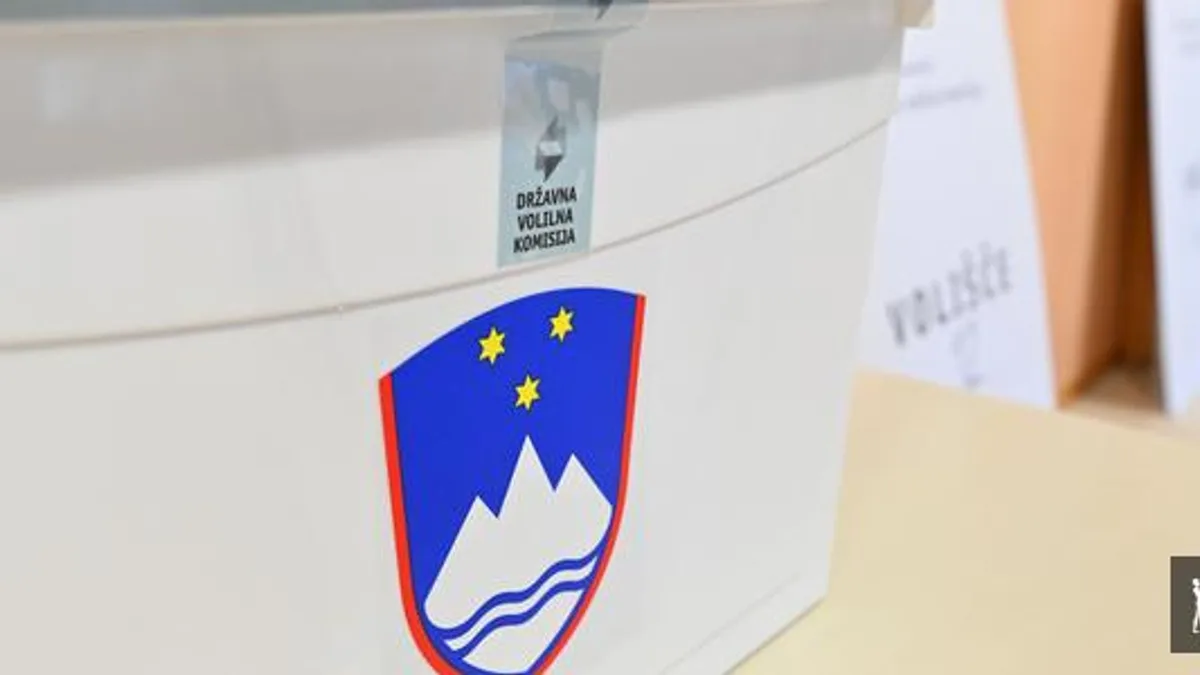
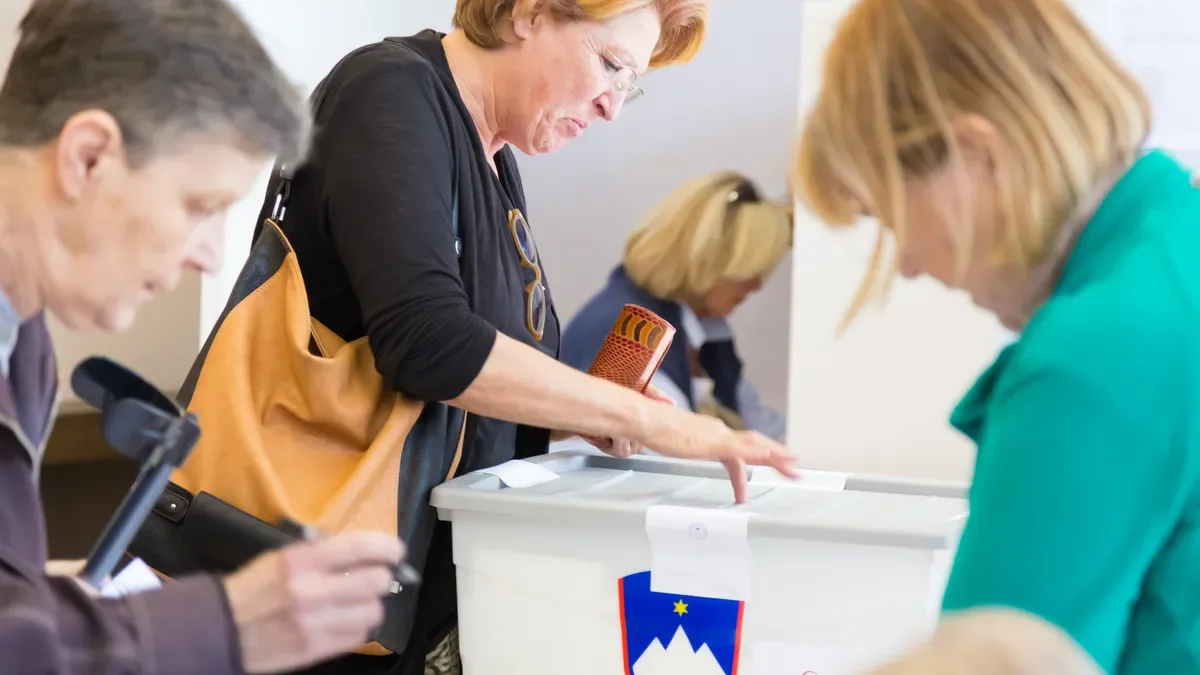
Alberta Votes Today on Starting Path to Leave Canada
Polls in the Canadian province close at 8 p.m. local time. A win for separation would not mean independence, only open the way to a second, binding referendum.
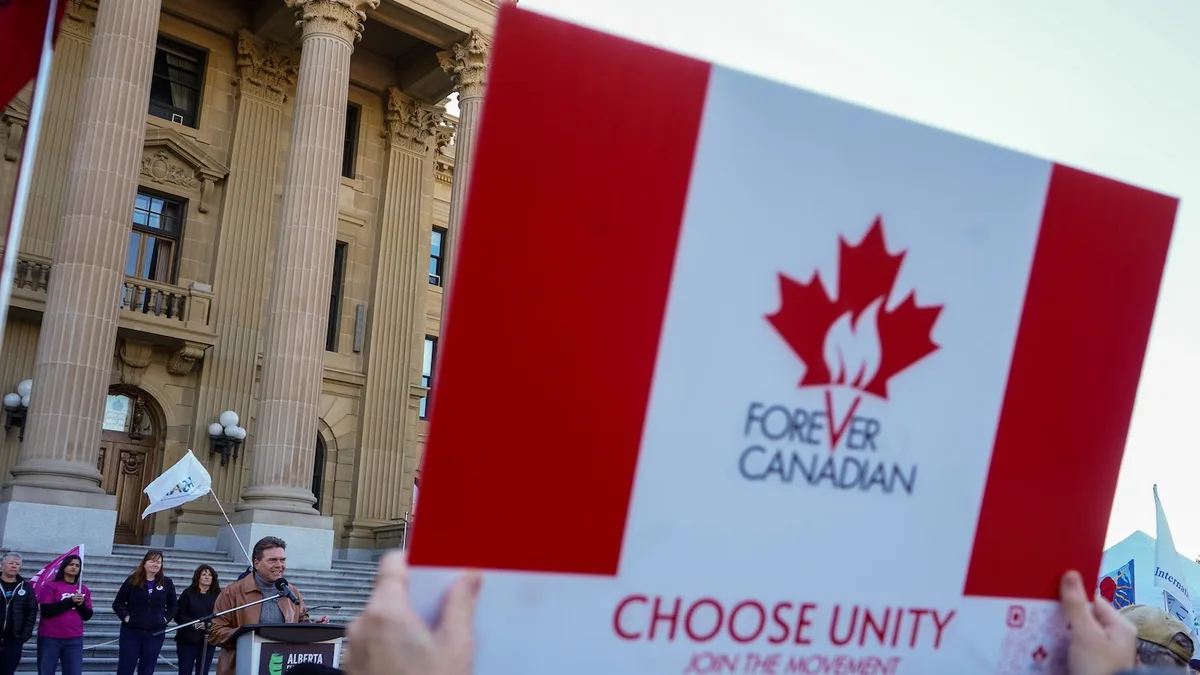
The Alberta referendum, held today, October 19, in the Canadian province that holds most of the country’s proven oil reserves, does not ask voters to choose independence. They decide whether the provincial government should start a legal process that could, at some later point, lead to a vote on secession. For readers in Serbia, it shows how a constitutional state can break the question of separation into stages instead of leaving it to a single ballot.
What exactly is on the ballot?
The question is one of ten on the provincial referendum. Voters pick between two options: Alberta stays a province of Canada, or the Alberta government starts the legal process the Canadian constitution sets out for holding a binding referendum on separation. If the second option wins, another referendum follows, so even then nothing is decided about leaving.
The question reached the ballot by a roundabout route. The Court of King’s Bench of Alberta struck down a separatist petition on May 13, 2026, ruling that organizers had not properly consulted Indigenous peoples. Premier Danielle Smith announced in a televised address on May 21 that the nine questions in the October vote would be joined by a tenth. It includes a petition to stay in Canada launched by Tomas Lukasuk, with more than 400,000 signatures verified by Alberta’s elections commission. The separatist petition, by the same check, gathered nearly 223,000 signatures.
Smith added the question even though she opposes independence. According to The Associated Press, it answers pressure from activists in her United Conservative Party, among them some of those who helped remove former premier Jason Kenney in 2022.
How many people have already voted?
More than 1.35 million people voted early or at special polling stations, or 43 percent of registered voters. In the 2023 provincial election, about 810,000 voted early. Polls are open from 9 a.m. to 8 p.m. Mountain time, which is 5 p.m. today to 4 a.m. tomorrow in Serbia. Results are expected a few hours after polls close.
Surveys differ. Smith recently cited a poll in which only 22 percent of respondents support separation, and added that this is still too many. A Mainstreet survey puts the stay side at 65.6 percent and the separation side at 34.4 percent. Angus Reid has it at 66 to 34.
Who is running the campaign, and what are they saying?
Canadian Prime Minister Mark Carney spent two days holding rallies in Calgary and Edmonton, where he grew up, urging voters not to take the outcome for granted.
“Vote as if the future of Canada depends on it, because it does,” Carney said at a rally in Edmonton on Friday. He also warned that the referendum comes at the “worst possible time” and asked Albertans not to use their ballots to send a message to Ottawa. He drew the loudest cheers when he spoke about redirecting Canadian trade away from the United States.
Smith, who often clashed with Justin Trudeau, praised Carney for improving relations. “I think we can agree that in the past 18 months we have had a real change,” she told The Associated Press on Friday.
On the other side is the Let Alberta Decide movement. Its co-chair, Keith Wilson, says the turnout alone is already a success:
“I think we’ve already succeeded when you look at the turnout. People are engaged and talking about this subject at a level that is historically unprecedented.”
Wilson argues the province has stayed vulnerable to federal policy because Liberal governments can win elections without much support in Alberta, and he rejects the idea of Alberta becoming a U.S. state. “I have no interest in swapping the master who rules my children’s future in Ottawa for a new one in Washington,” he said. Separatist leader Jeff Rath said he would be thrilled if 30 percent of Albertans voted to start the process, even without a majority, and that he wants Smith removed as leader of the United Conservative Party.
Why did foreign influence become a campaign issue?
Rath and other independence advocates met three times with representatives of the U.S. State Department in Washington. According to a October 3 investigation by the Globe and Mail, political operatives tied to the Republican Party helped the secession campaign, and separatists in Washington were offered access to fresh water and oil revenue. British Columbia Premier David Eby called the invitation of foreign interference treason.
Chief Sheldon Sunshine of Sturgeon Lake Cree Nation says Alberta cannot leave Canada without the consent of First Nations, citing treaties older than the province itself, and that his people would remain in Canada even if Albertans voted for independence. Of the separatists’ meetings with American officials, he told the AP:
“That is absolute treason against the people of Canada, against the people of Alberta.”
The fire at Wainwright base
The vote takes place in the shadow of a fire at the Wainwright military base, about 200 kilometers southeast of Edmonton. Four soldiers died and 39 people were injured, 19 of them seriously. The fire started as a smoldering grass fire, and strong wind turned it into a “wall of flames” that moved quickly toward personnel on a live-fire exercise. The Defence Ministry said the dead are Sergeant Morgan Wong and Privates Sean Farrell, Aiden Goulding and Hayden Lickemark.
Carney called the fire “one of the worst tragedies the armed forces have suffered on Canadian soil in peacetime” and ordered flags across the country lowered to half-staff.
Results arrive overnight Serbian time. Separatist leaders are already saying the movement will keep working even if the separation option loses.