Macut and Starovic Represent Serbia at Milocer Summit
Djuro Macut and Nemanja Starovic will represent Serbia at the Berlin Process summit, which Milojko Spajic and Friedrich Merz open as Montenegro ends its presidency.
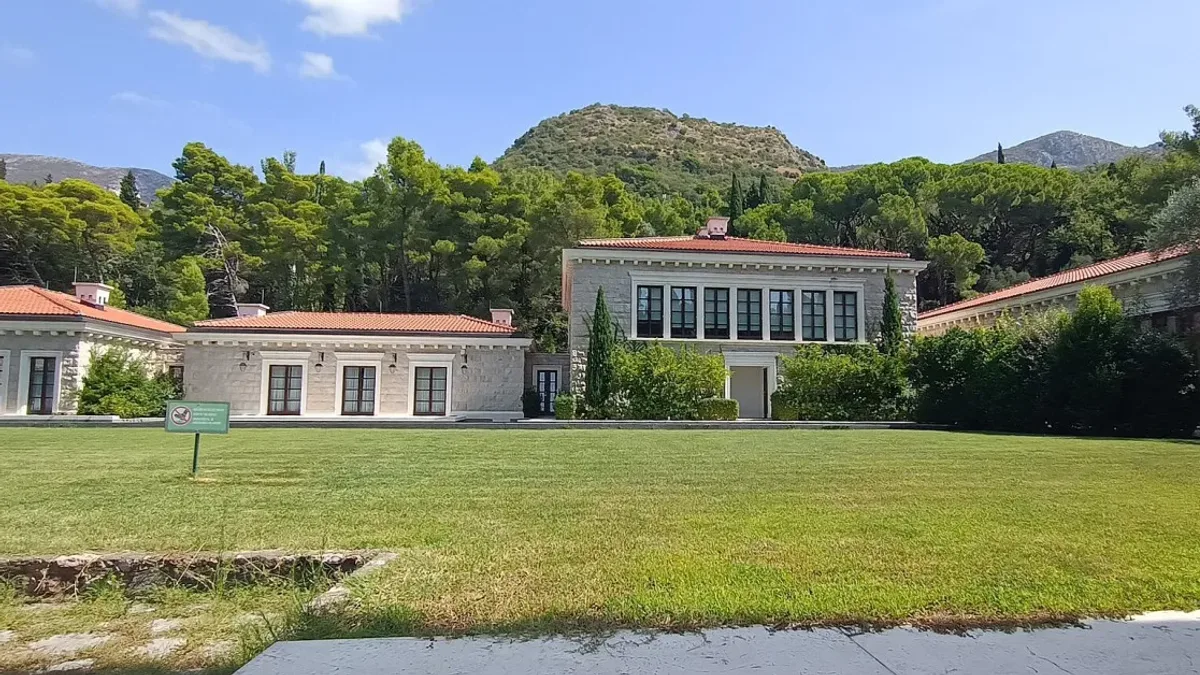
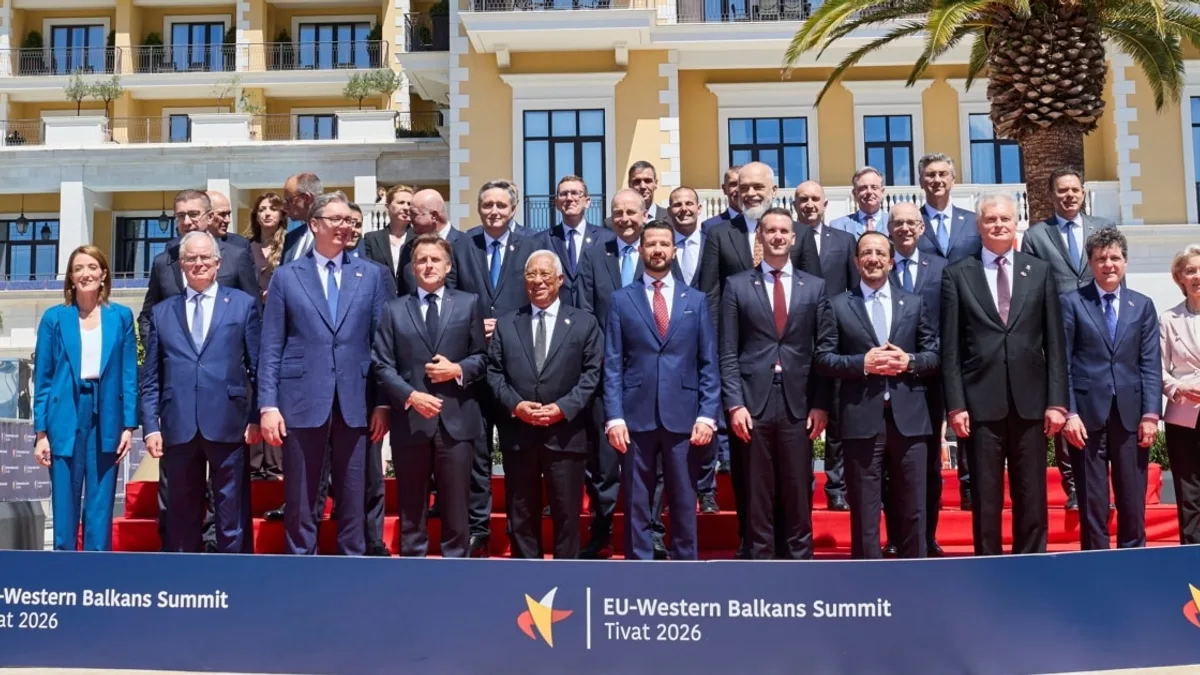
Serbia will be represented at the Berlin Process summit in Milocer near Budva, held on October 22, by caretaker Prime Minister Djuro Macut and caretaker European Integration Minister Nemanja Starovic. The makeup of the Serbian delegation was confirmed on October 21, a day before the gathering, which will discuss the region’s path toward the European Union.
Who opens the summit and who is coming to Milocer?
The summit is opened by Montenegrin Prime Minister Milojko Spajic and German Chancellor Friedrich Merz. It marks the end of Montenegro’s one-year presidency of the Berlin Process. According to the Montenegrin government’s announcement, it will bring together all Western Balkans leaders, representatives of EU member states and international organizations, and European Enlargement Commissioner Marta Kos will take part as well.
Besides Macut, the following leaders have confirmed their attendance:
- Edi Rama, Prime Minister of Albania
- Albin Kurti, Prime Minister of Kosovo
- Hristijan Mickoski, Prime Minister of North Macedonia
- Borjana Kristo, Chair of the Council of Ministers of Bosnia and Herzegovina
Alongside the region, the Berlin Process brings together Germany and the partner governments of Austria, Bulgaria, Croatia, France, Greece, Italy, Poland, Slovenia and the United Kingdom, as well as EU institutions, international financial institutions and regional organizations.
What will be discussed?
The German government said the main topics will be economic growth, competitiveness and security. During its presidency, Montenegro added the green and sustainable transition as a fourth priority. The Montenegrin government says it wants the summit to end with concrete results that show citizens the benefit of regional cooperation and European integration.
Montenegrin Deputy Prime Minister for Foreign and European Affairs Filip Ivanovic said on the program “Globus” on RTCG that the initiative aims to strengthen regional cooperation as preparation for future EU membership. Asked what the hosts expect from the summit, Ivanovic put it this way:
“All the agreements and arrangements that come out of the Berlin Process aim at exactly that. Tomorrow’s leaders’ summit, as the culmination of the Berlin Process and Montenegro’s presidency of it, will be an opportunity to send even stronger messages about the need for regional cooperation and the region’s European perspective. Of course, what we in Montenegro expect most is that Montenegro’s progress will be praised and its achievements of the past few months highlighted.”
Ivanovic spoke ahead of the summit on a program that airs at 9 p.m. on RTCG’s first channel.
What did Montenegro do during its presidency?
The Montenegrin government says the presidency delivered 26 events, 14 of them at ministerial level, which it describes as the largest number of activities in a single presidency in the history of the Berlin Process. Earlier reports cited 25 events, 12 of them ministerial. The official figures from the Montenegrin government are 26 and 14.
The government’s statement lays out what the program covered:
“The presidency program included ministerial meetings dedicated to foreign and internal affairs, the economy, agriculture, environmental protection and other areas important for regional cooperation and the European integration of the Western Balkans.”
Alongside the high-level political meetings, side events were held for representatives of the academic and scientific community, civil society, the business sector, the media and young people. In the statement, the government adds that this further strengthened “the inclusiveness of the Berlin Process and opened space for a broader social dialogue on the future of the region.”
How does the summit affect traffic?
According to RTCG, the summit brings periodic traffic stoppages of up to 60 minutes on several roads. A full traffic stop has been announced on the Podgorica-Bar-Budva road from 8:30 p.m. on October 21.
Where does the Berlin Process come from?
The Berlin Process was launched in 2014 on the initiative of then German Chancellor Angela Merkel, at a time when EU enlargement toward the Western Balkans was slowing down. The Milocer summit is the closing event of the Montenegrin presidency, which lasted a year.