Grlic Radman: No Chapters Closed for Montenegro
On the 35th anniversary of Vukovar's fall, Croatia's foreign minister tied Montenegro's EU chapters to missing persons and war crimes, and asked Serbia for data on 1,725 missing.
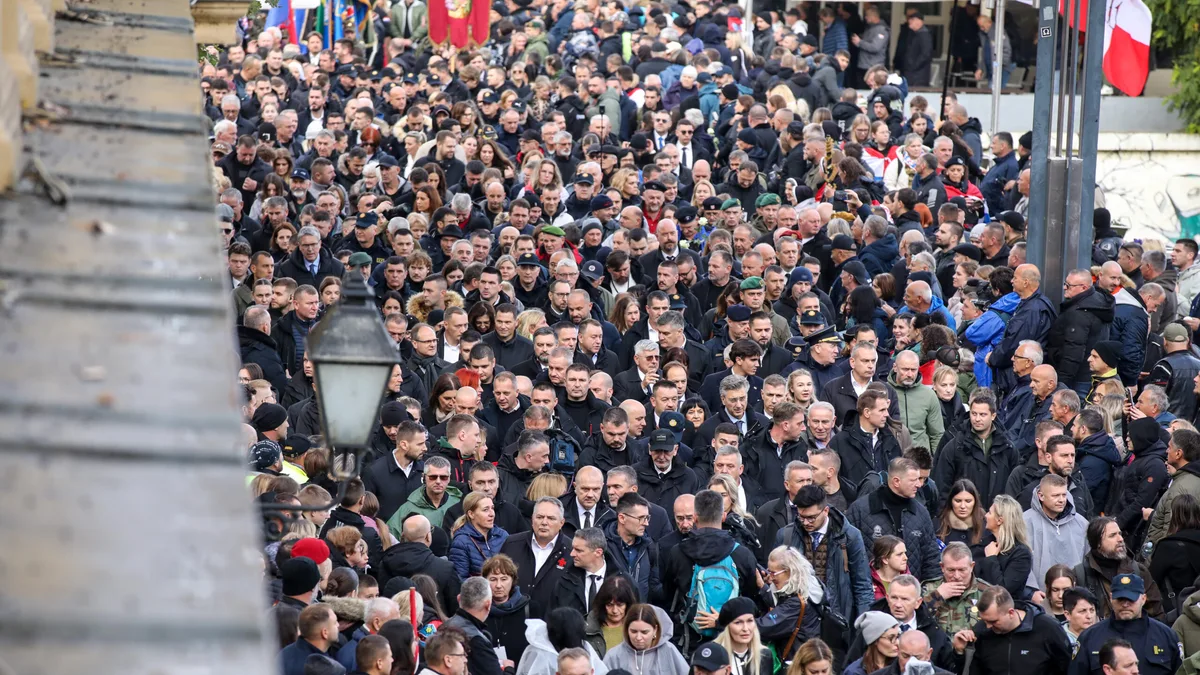
On the day Croatia marked the fall of Vukovar, it sent two separate messages to two countries on the road to the European Union. Podgorica was told that its negotiating chapters will not be closed until the questions of missing persons and war crimes are settled, and Belgrade was told that Zagreb expects concrete cooperation from Serbia’s new government in the search for 1,725 missing people. The statements were made on November 18, 2026, in Vukovar, during the Remembrance Column marking the 35th anniversary of the city’s fall.
What did Grlic Radman tell Montenegro?
Gordan Grlic Radman, Croatia’s foreign minister, told reporters in Vukovar that Zagreb will not agree to close Montenegro’s chapters in its accession talks until the issues Croatia regards as matters of values are resolved.
“It is not a matter of giving in or not. We will not agree to membership, that is, to the closing of the open chapters, until those questions of values are resolved.”
The minister named finding 14 missing persons and prosecuting war criminals under command responsibility as the open issues, according to Antena M, which cited HRT. Glas Srpske reports that Croatia has presented Montenegro with eight demands as a condition for EU membership, and that the Montenegrin government has so far met two of them through its decisions.
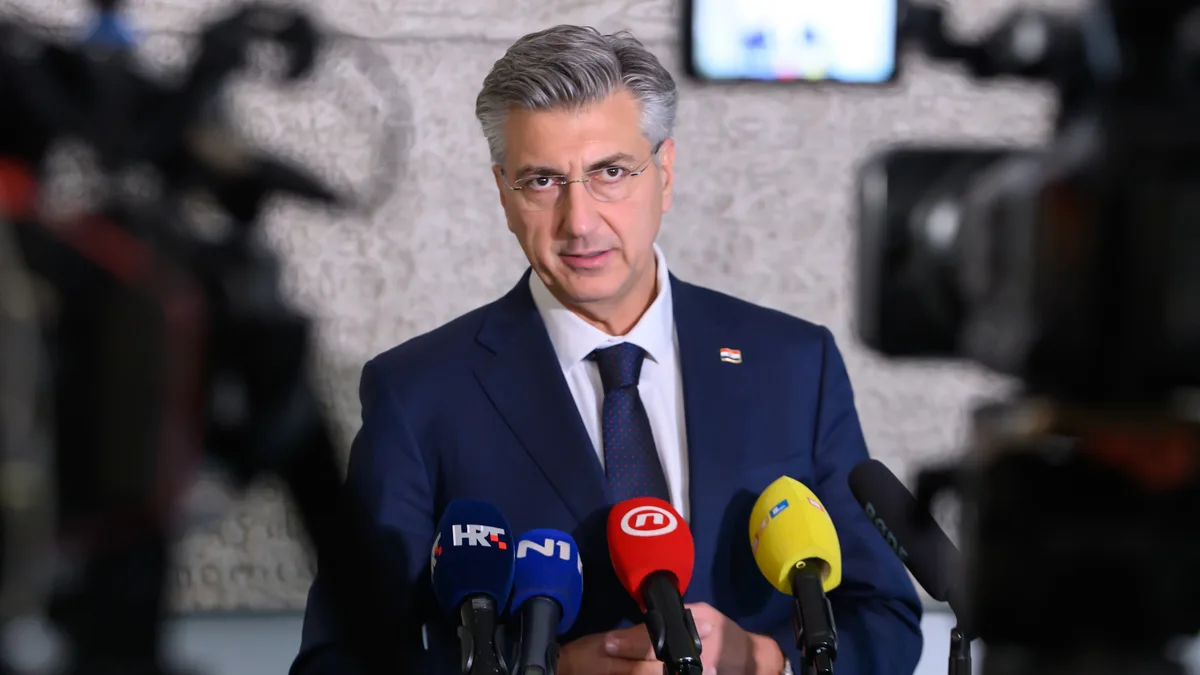
Prime Minister Andrej Plenkovic said in Vukovar that there will be no leniency for either Serbia or Montenegro when it comes to meeting Croatia’s demands. Of Podgorica he added: “In Montenegro they are aware of what is expected of them and what they need to do.” Podgorica’s reaction to these statements is not recorded in the sources available to the newsroom.
What does Zagreb expect from Serbia?
Grlic Radman noted that Serbia is a candidate for EU membership and that the question of the missing is tied to negotiating chapter 23, which covers the judiciary and fundamental rights. In his words, this is not an open question but an obligation.
“It is hard, it weighs on society. We are still searching for the missing. We expect more understanding and concrete cooperation from the new Serbian government.”
The minister rejected the suggestion that Zagreb is waiting for a political change in Belgrade. “Talks are held constantly, we are not waiting for a change of government in order to address this issue,” he said, adding that Croatia also works through the international community, including the UN human rights bodies, the Council of Europe and the European Union. He stressed the role of Deputy Prime Minister and Minister of Croatian Veterans Tomo Medved, noting that concrete results also require cooperation from the other side.
“It is up to Serbia to keep working and cooperating so that, through joint efforts, we can manage to find the missing persons,” Grlic Radman said.
Plenkovic pointed out that during his government’s term the remains of 343 missing persons have been identified, and that the work is not finished. “Until we find all 1,725, that work will not be done,” he said. According to him, Croatia does not receive enough information about the missing from Serbia: “We expect the new government in Serbia to approach this problem more seriously, which was not really up to standard with the previous authorities.”
Defense Minister Ivan Anusic said during the Remembrance Column that Serbia must hand over documents on the missing and that talks are pointless until it does: “Let them return the documents, let them provide the documents on the missing from the Homeland War, and then maybe we can start talking about something. Until then, there is no point.”
What did the Remembrance Column look like?
The column set out from the “Dr. Juraj Njavro” National Memorial Hospital and walked to the Memorial Cemetery, a route of more than five kilometers. It was led by doctors and staff of Vukovar’s wartime hospital and by defenders of the city. Among those in the column were Plenkovic, President Zoran Milanovic and Speaker of Parliament Gordan Jandrokovic, while Defense Minister Anusic and Chief State Prosecutor Ivan Turudic were among those present in Vukovar on Remembrance Day.
Figures on attendance differ. Jandrokovic said around 100,000 people were expected, as city authorities had also projected, while Novi list writes of tens of thousands of participants.
Vukovar fell on November 18, 1991, after a three-month defense. On November 20, 18 employees of Vukovar’s hospital were killed at Ovcara, along with 182 other victims. Mayor Marijan Pavlicek said that more than 300 of the city’s residents are still being sought, while Turudic said 320 people are still missing in the area, and more than 1,700 across Croatia.
Pupovac lit candles for the victims of Vukovar in Zagreb on November 17, as we reported.