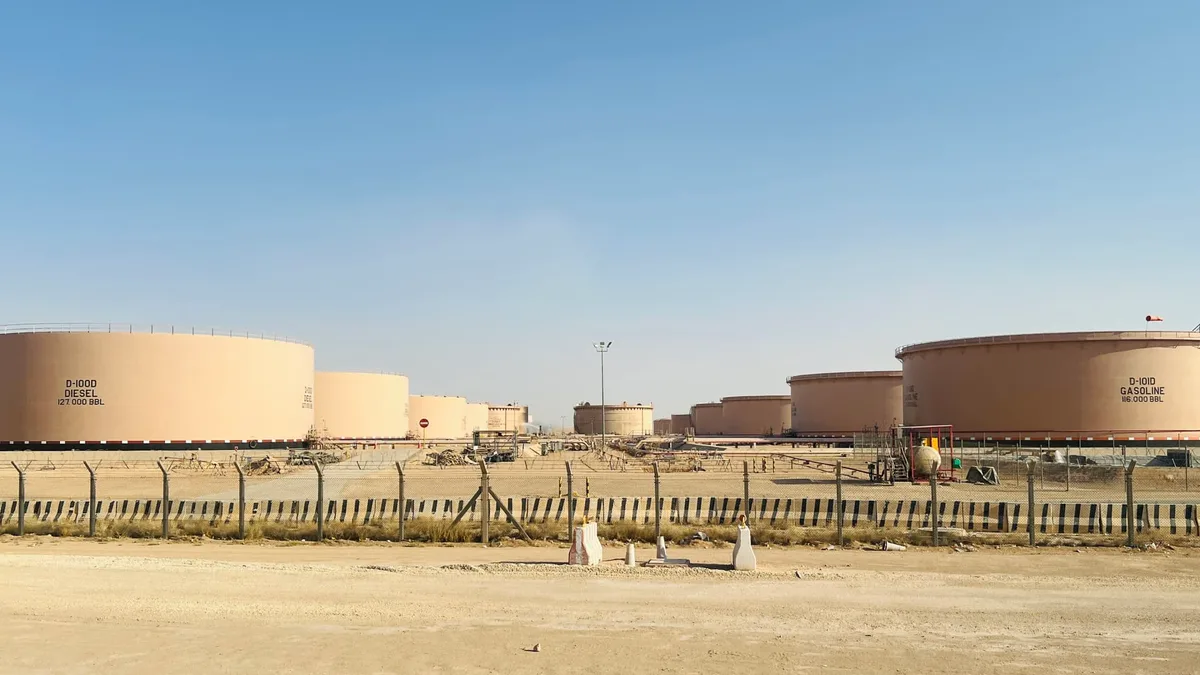
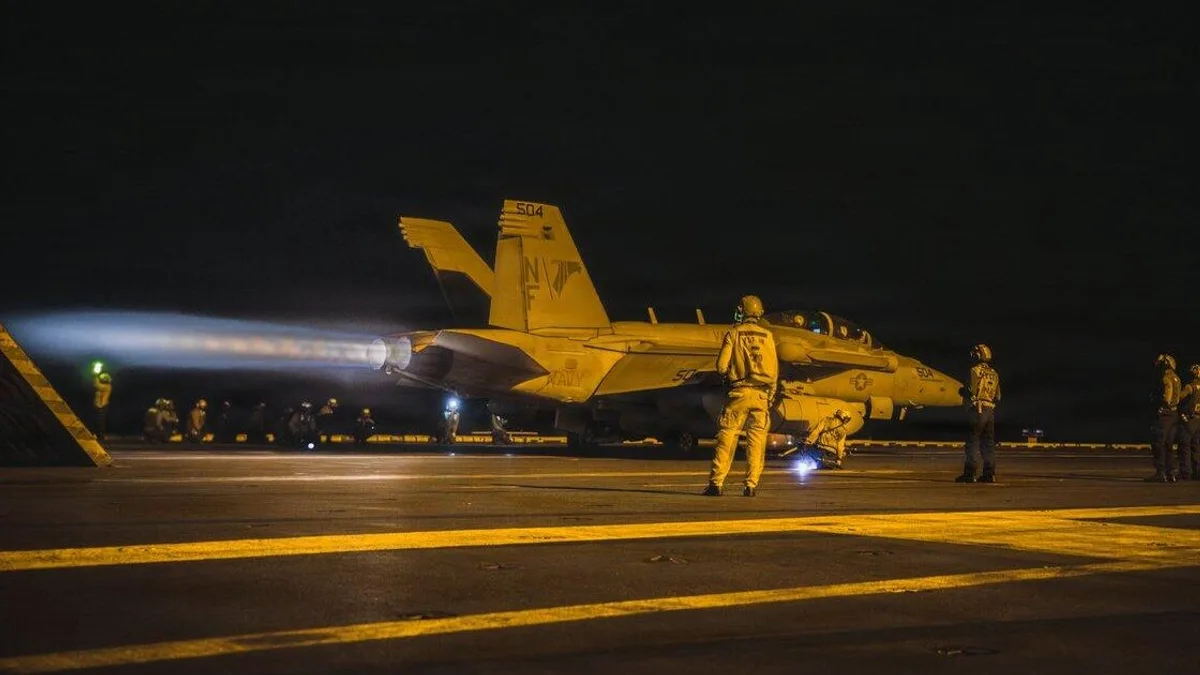
Hormuz Reopens: 20 Tankers Pass, but 500 Still Wait
After a US-Iran memorandum, traffic through the Strait of Hormuz is rising fast. At least 20 tankers passed Thursday, yet more than 500 vessels are still waiting.

- At least 20 tankers crossed the Strait of Hormuz on Thursday, the most since June 2.
- Tehran will let ships pass without charging a fee for the next 60 days.
- More than 500 vessels are still waiting to transit the strait.
- Traffic remains a fraction of the 120 to 130 daily crossings seen before the war.
At least 20 tankers passed through the Strait of Hormuz on Thursday, the most since June 2, according to vessel-tracking data followed by CNBC and Al Jazeera. The figure looks modest on its own, but against the past few weeks it marks the first clear sign that the world’s most important oil corridor is coming back into service. The trigger was a memorandum signed by Washington and Tehran, after which the Iranian side announced it would let ships pass for the next 60 days without charging a transit fee.
The makeup of Thursday’s convoy says more than the headline number. Three Saudi and one Emirati supertanker crossed the strait on the same day, meaning the largest regional exporters are the first to return to the route. It is a pattern that repeats in every crisis of this kind: when a window opens, the first to use it are those with the heaviest cargo and the largest losses from the standstill. Saudi Arabia and the United Arab Emirates have both the fleet and the contractual obligations that cannot absorb further delay, so their presence at the head of the line is no surprise.
Does this mean the crisis is really over?
No, and the numbers say so without embellishment. More than 500 vessels are still waiting to cross, a backlog that will not clear in a single day or even a single week. Twenty crossings in a day must be set against the 120 to 130 daily transits the strait recorded before the war. In other words, traffic is currently running at roughly 15 to 17 percent of prewar capacity, so this is a recovery that is only beginning, not a return to normal.
The 60-day fee waiver is an incentive, but it is also a clearly time-limited signal. It solves the cost of passage, yet not the problem of trust, which in shipping is often more expensive than the toll itself. Insurers, shipowners and cargo buyers do not make decisions on the strength of one good day, but on a run of days without incident. Until that run is established, insurance premiums stay high and part of the fleet keeps choosing longer, costlier alternative routes.
What does this mean for oil prices, and who feels it first?
The oil market reacted with restraint, because traders distinguish an announcement from its execution. Still, the simple fact that 20 tankers a day are passing through Hormuz again pulls down part of the risk premium that built up during the blockade, especially for buyers in Asia who depend most on Gulf crude. Every day convoys pass without incident shaves a little more off that premium, but any fresh stoppage can put it back a week.
The first to feel the difference are not drivers at the pump but refiners and large importers who have paid higher transport costs for weeks while holding down inventories. For them, every tanker that gets through is concrete relief in the supply chain, while retail prices respond with a lag of several weeks. The open question now is this: will those 60 days be enough to restore confidence, or will the next incident show that this recovery was more fragile than the numbers suggest?