Iran Strikes Back, Hits Six Ships in Strait of Hormuz
Iran's Revolutionary Guard struck three tankers and three ships linked to the United States, an hour after CENTCOM destroyed three Iranian tankers near the Strait of Hormuz.

The conflict between the United States and Iran openly spilled into an exchange of strikes at sea for the first time on Saturday evening, with both sides trading blows within hours of each other after Iran hit six ships in response to the American destruction of three of its own tankers. For Serbia, this is not a distant story without consequences: the price of a barrel of oil, which has been climbing since the conflict began, feeds directly into the price of fuel at every pump at home, since Serbia imports most of the crude it refines.
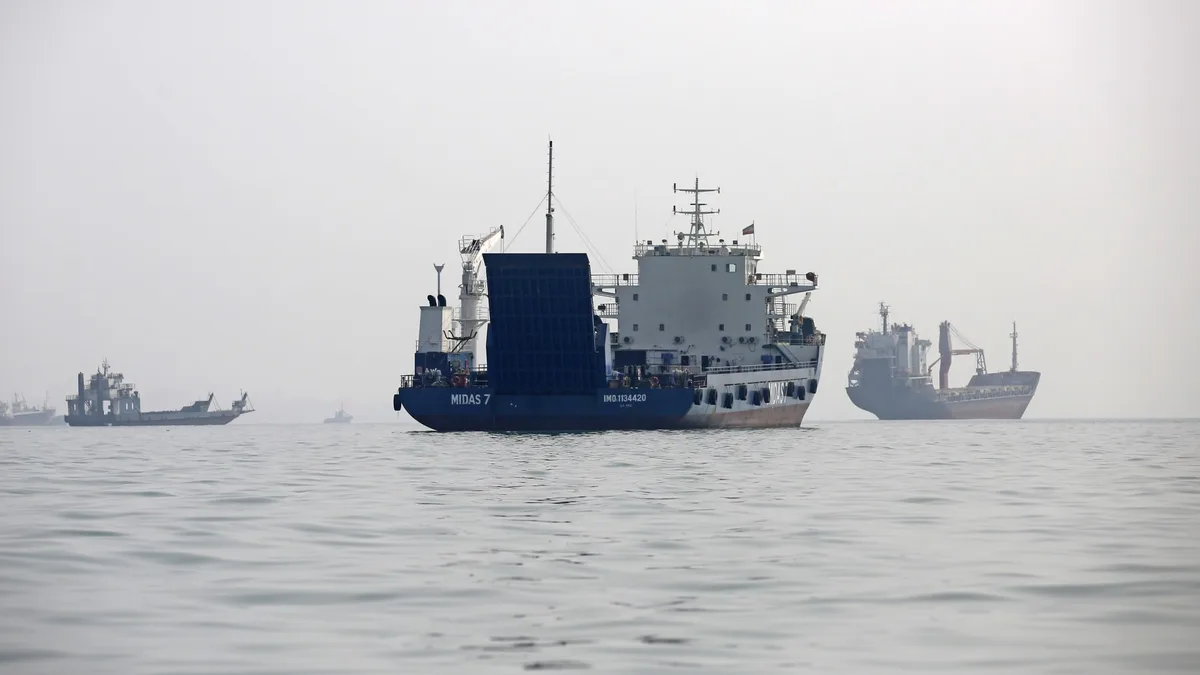
Iran’s Revolutionary Guard said its forces struck three tankers on Saturday evening that it described as sailing an unauthorized route through the Strait of Hormuz, along with three other ships it said were linked to the United States. In a statement to Iranian media, the Guard said it had targeted “three tankers on the unauthorized route through the Strait of Hormuz and three ships linked to America, which is killing children.” Iran’s naval command also warned all ships in the Gulf and around the strait against attempting routes that Tehran has not approved.
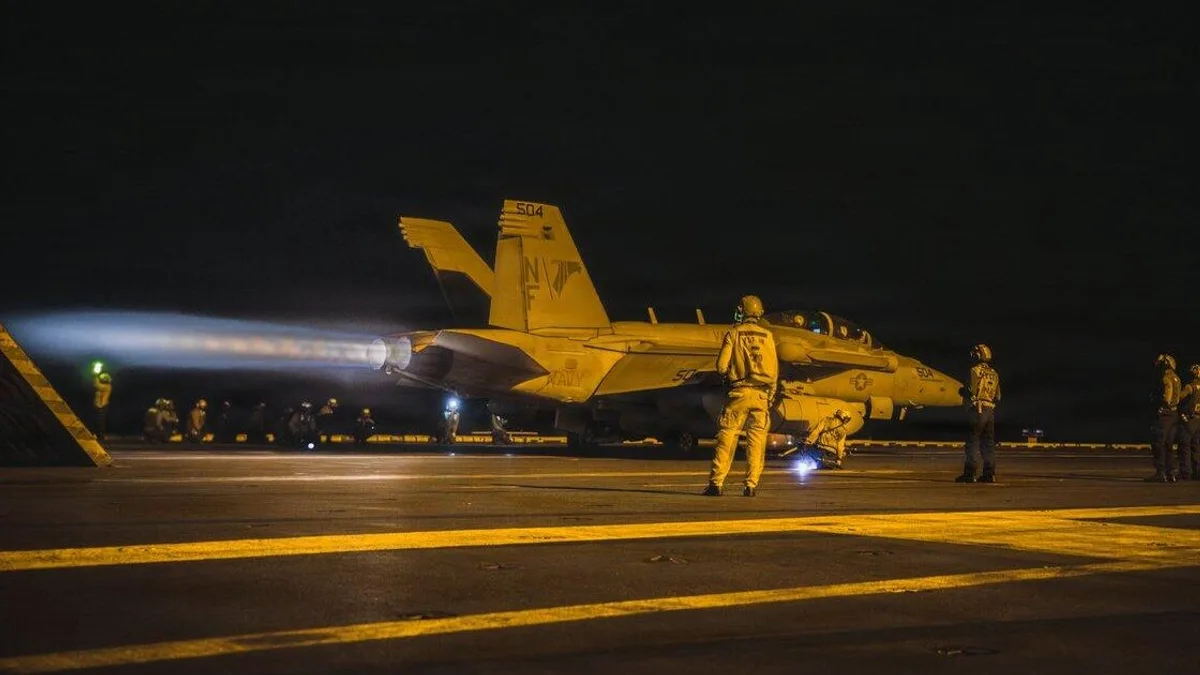
The Iranian strike followed an American attack carried out earlier the same day. US Central Command (CENTCOM) said it had hit three Iranian tankers after the Revolutionary Guard, a day earlier on Friday, fired anti-ship ballistic missiles from Isfahan and Kerman at a US aircraft carrier and destroyer patrolling the Strait of Hormuz, the first such launch of the conflict. CENTCOM said both vessels successfully evaded the missiles and that no American service member was hurt.
According to the US statement, two tankers, the M/T Downy near Kharg Island and the M/T Stark 1 near Jask, were permanently disabled, while a third, the empty M/T Kylo, also known as the Noxen, was destroyed outright in the Gulf of Oman after its crew was ordered to abandon ship. “Following failed Iranian attacks, CENTCOM permanently disabled the Revolutionary Guard tankers M/T Downy and M/T Stark 1,” Central Command said, adding that the third vessel was destroyed by strikes on multiple critical points.
Admiral Brad Cooper, the CENTCOM commander, delivered a blunt warning to the Revolutionary Guard. “If you fire on two of our ships, we will impose an even greater economic cost, we will destroy three of yours,” Cooper said in the statement. Washington claims the tankers it hit are part of a network worth several billion dollars that finances the Revolutionary Guard and its allies across the region.
”The era of proportionate responses is over”
Mohammad Bagher Ghalibaf, Iran’s chief negotiator and speaker of parliament, said after the American strikes that Tehran was changing the rules of the game.
The era of proportionate responses is over.
Ghalibaf said Iran’s future responses would be “faster, harder and more painful.” Judging by how that evening unfolded, the warning proved true within hours, through the Iranian strike on six ships.
Military analyst Wolfgang Pusztai told Al Jazeera the episode marked a turning point in a conflict that has run since February 28. “This is a very, very significant development, and it doesn’t come as a surprise,” Pusztai said, noting that Friday’s Iranian missiles had directly targeted an aircraft carrier for the first time, the backbone of the American campaign against Iran.
Traffic through the strait still barely moving
Iran’s blockade of its own ports, in effect since April, and the American naval blockade against Iran have both sharply reduced traffic through the Strait of Hormuz, the chokepoint that carried 20 million barrels of oil a day before the war, with 90 percent of Iran’s crude exports passing through Kharg Island alone. According to maritime analytics firm Kpler, only six ships passed through the strait on Wednesday, 11 on Tuesday and five on Monday, against a ten day average of 13 ships a day. CENTCOM, for its part, says it has rerouted 92 commercial vessels in the strait, disabled three and boarded two.
The fallout is already showing up in oil markets. Brent crude closed Friday at $96.28 a barrel, up from roughly $70 before the war began, while the average price of diesel in the United States hit a record $5.85 a gallon. The rise in energy prices is rippling globally into markets with no direct link to the Strait of Hormuz, including Serbia’s domestic fuel market, which tracks the price of crude on world exchanges.
The war is also getting harder to defend at home in the United States. A Reuters/Ipsos poll from late August found that 31 percent of Americans support the war while 63 percent oppose it, and President Donald Trump’s approval rating fell from 40 to 33 percent over the same period.
Iran’s Foreign Ministry called the American strikes on the tankers “economic warfare” and a war crime, saying Washington and its allies would bear the consequences of continued American aggression.
Srpske novine previously reported that US forces destroyed three Iranian tankers following an Iranian attack. Saturday’s Iranian counterstrike on six ships shows that the conflict, running since February 28, is now unfolding in cycles of just a few hours, with no sign of when it might slow down.