Brent Tops $100 a Barrel for First Time Since May
Brent crude jumped above $100 a barrel as rising tension in the Strait of Hormuz and attacks on tankers in the Red Sea tighten supply and push up the cost of importing fuel.

- Brent crude broke above $100 a barrel in the afternoon, its first time in several months.
- The barrel had opened at a six-week high near $94, so a daily jump of roughly 6% pushed it past the mark.
- Rising tension in the Strait of Hormuz and Houthi attacks on tankers in the Red Sea are squeezing supply.
- The increase lands as low water on the Danube already makes fuel imports into Serbia harder.
Brent crude broke the $100-a-barrel mark on Wednesday afternoon, its first time in several months, after tension around two key maritime corridors sharply raised fears of a supply shortfall. The North Sea benchmark had opened at a six-week high near $94 a barrel, so an afternoon gain of about 6% in a single trading session was enough to clear a psychological line the market had not seen for months.
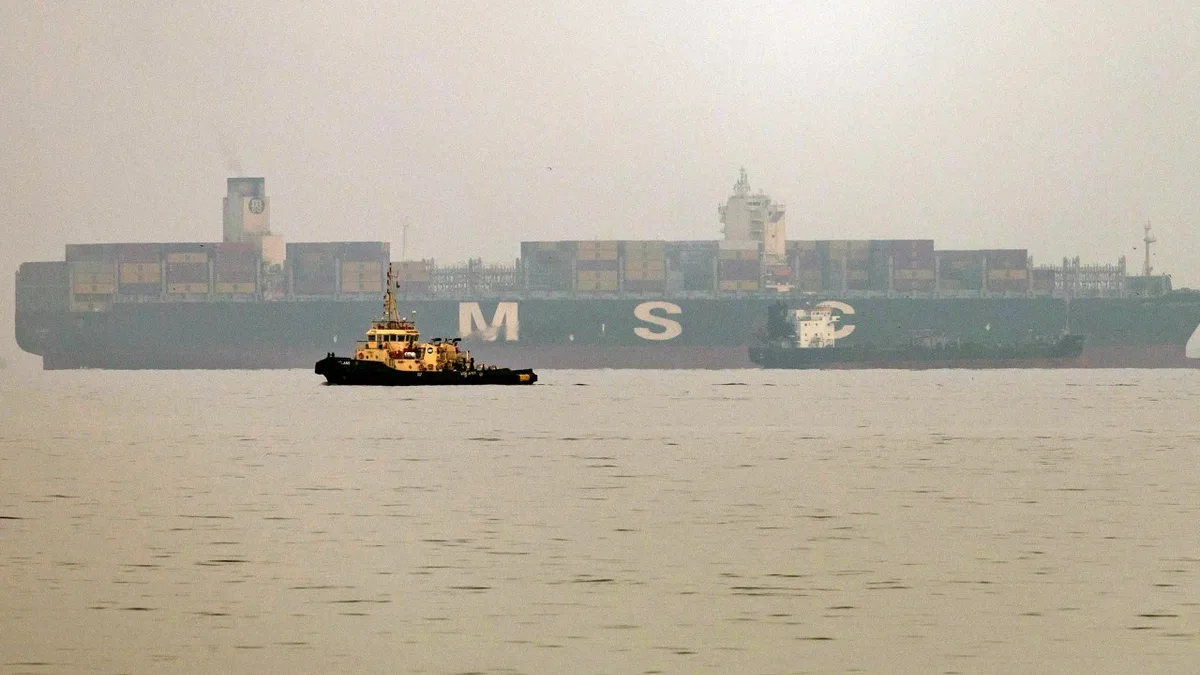
The trigger was not a single event but a combination of two flashpoints that threaten exports from the world’s largest producing region at the same time. Escalation in the Strait of Hormuz, through which roughly a fifth of global oil shipments pass, and fresh attacks by Yemen’s Houthis on tankers in the Red Sea are together lifting the risk premium traders build into the price of every barrel. When cargo has to take longer, costlier routes around Africa instead of the Suez Canal, freight and insurance costs rise and feed straight into the exchange quote.
What is driving the price higher
The oil market reacts to the perception of risk faster than to any actual drop in supply. A threat to block a major corridor is enough to move the price, because buyers and refineries rush to secure stocks ahead of a possible disruption. The Strait of Hormuz and the Red Sea together carry the bulk of the seaborne flow of crude and refined products toward Europe and Asia, so any incident on those routes has an outsized effect on the global price.
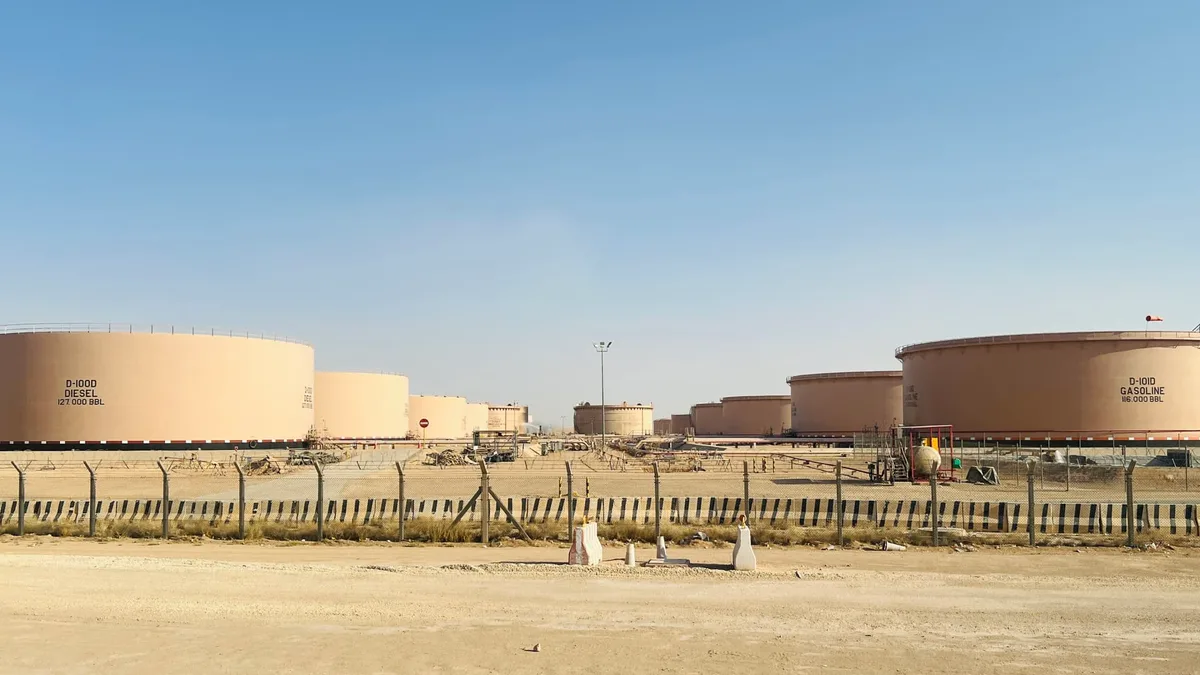
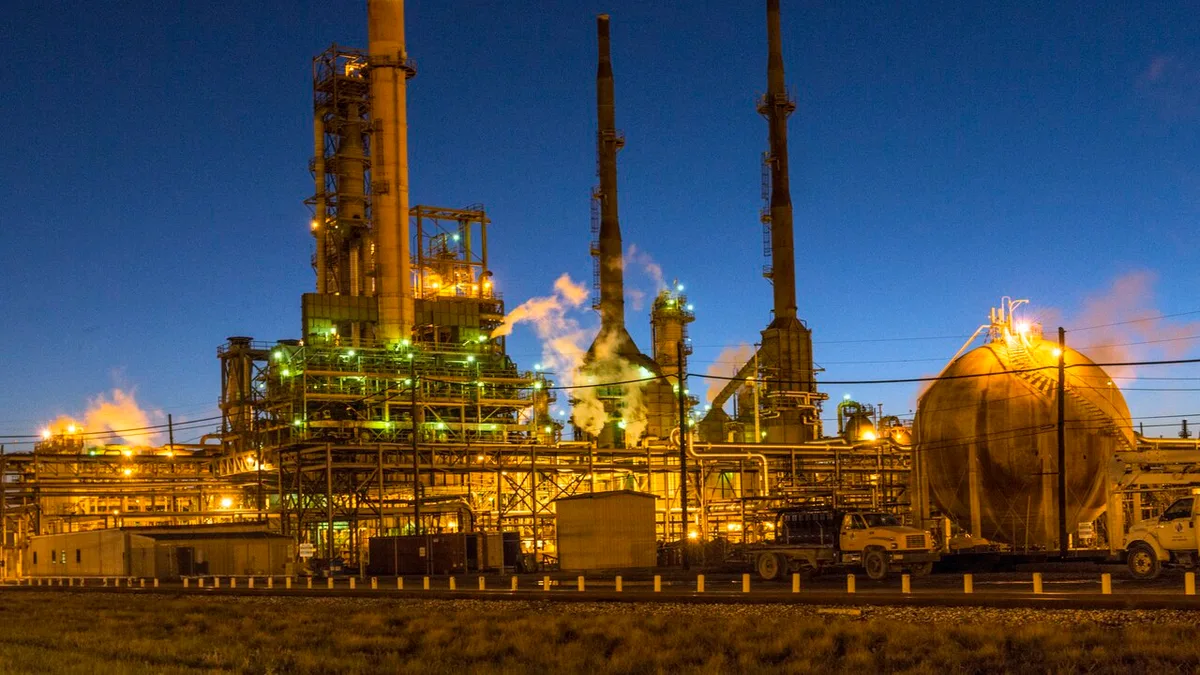
For importers such as Serbia, which lacks domestic production sufficient to cover consumption, a rise in the exchange price is an input cost that is hard to absorb. A more expensive barrel means costlier feedstock for refining and a costlier imported product, and the margin at the pump rarely absorbs the full jump without a correction to the retail price. The lag between an exchange spike and the pump price is usually measured in days, not weeks.
How much will Serbian drivers feel the jump?
The answer depends on how long the price stays above $100. If this is a short-lived, panic-driven spike, part of the pressure fades as soon as the risk in the strait eases. If the tension drags on, however, the higher input price gradually works its way into the calculations of importers and retailers.
Logistics is an added problem. Low water on the Danube is already hampering river transport and raising the cost of importing fuel into Serbia, as barges carry lighter loads or cargo shifts to more expensive road transport. When costlier feedstock coincides with harder delivery, the two costs stack up at the same time. It is a combination that squeezes both importers and end users, from haulage firms to households that heat with liquid fuel.
For now the jump is above all a market signal rather than a confirmed shortage on the ground. Oil futures often run ahead of physical deliveries, so the price could slip back below the mark as fast as it cleared it, if tension over the shipping routes calms. The key question is whether this is the start of a longer cycle of price rises or a sharp but passing shock.
Do you think this jump in Brent will noticeably move prices at the pumps in Serbia?