Brent Falls to $108 After Trump Order on Russia
Crude is sliding after Friday's sanctions waiver for Russia, but oil flow through the Gulf is still less than half of last week's level.
Brent crude fell more than 1.5 percent in early Asian trading on Monday, October 19, to $107.92 a barrel, B92 reported, citing Al Jazeera. The Indian portal HDFC Sky records a 1.9 percent drop, to $107.80, with US benchmark WTI down 1 percent, to $100.40. The sources do not match to the decimal because prices were taken at different times, so both figures are given here.
The decline follows a week of gains. Brent closed at $109.86 on Friday, October 16, after briefly touching $110 during the day, its highest level since May 19. FinanceFeeds reports that it rose 4.9 percent over the full week. Our portal reported the same $109.86 closing figure on Friday.
What did Trump sign on Friday?
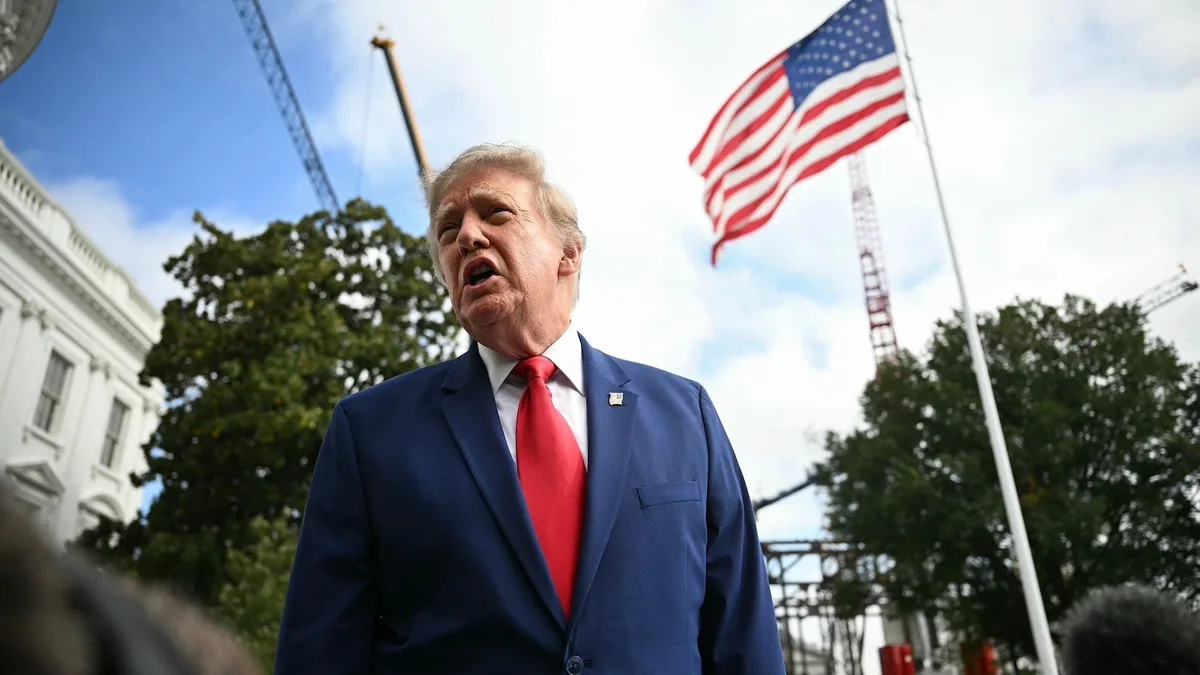
US President Donald Trump on Friday signed an executive order suspending key sanctions and tariffs on Russia under the Graham law. The order was signed a few days before those measures were due to take effect, and they covered tariffs on Russian goods and penalties for buyers of Russian oil and gas. It followed Trump’s agreement with Russian President Vladimir Putin on exports of Russian diesel to the United States, HDFC Sky reports.
The decision is not final. According to FinanceFeeds, the order has no end date, and Secretary of State Marco Rubio said the administration will need up to 60 days to assess the economic consequences. Trump told reporters that many people “still don’t know what my decision is.” Ukrainian President Volodymyr Zelensky criticized the move, arguing that it weakens pressure on Moscow.
What does the energy secretary say about the order?
US Energy Secretary Chris Wright defended the order on Sunday on ABC’s This Week. Host Martha Raddatz asked him how granting Russia, which invaded Ukraine, an exemption could be anything other than a reward. Wright answered:
“This is a carrot to try to end the war. It is not an economic lifeline for Russia.”
His argument comes down to the type of fuel. Diesel, he said, is what the world is short of right now, and Russia is not exporting it. The sanctions are therefore being lifted only on that product:
“We are lifting sanctions on a product that Russia is not exporting right now and cannot export.”
Wright added that Russia benefits from the move only if it scales back its war effort and gets to diesel it can export, for example through an energy truce. “Russia exports zero diesel today,” he said, then repeated that oil remains under sanctions: “We have not lifted sanctions on Russian oil.”
The host also read out a reaction from Washington. A bipartisan group of senators urged Trump to change course, writing in a letter that the deal is “a gift to our adversary and a betrayal of our allies,” and that the Kremlin’s revenue from it will “surely finance the desired war of attrition.” In her question the host also mentioned a quantity of 300,000 barrels or tons of diesel, without a more precise unit. Wright replied that the senators are wrong: “In fact, everyone is wrong. They do not understand what President Trump is doing.”
Asked about fuel prices in America, Wright said:
“Both gasoline and diesel prices peaked a few weeks ago.”
They have fallen only slightly since then, he added, and the administration would like to see them fall much further.
What is keeping oil above $107?
The order does not touch the Strait of Hormuz, which is the main source of pressure on the price. According to data from the analytics firm Kpler, crude flow out of the Gulf fell to about 8.5 million barrels a day in the seven days to Friday. A week earlier it was above 20 million barrels a day. In the same week Kpler recorded at least 10 confirmed incidents involving merchant ships.
Russian diesel, FinanceFeeds judges, does not replace crude from the Gulf. The same portal reports that Iran claims the strait will reopen only on its terms, and that traders on the Polymarket platform put the odds at about 96 percent on Sunday that there will be no Hormuz deal by October 23. FinanceFeeds also attributes part of Monday’s drop to profit-taking after last week’s 4.9 percent rise. HDFC Sky says uncertainty over how long the exemption will last and how it will be applied limits the outlook for a lasting price decline.
The gap between Brent and WTI in the HDFC Sky data is about $7.40 a barrel. Rubio has allowed up to 60 days for the assessment and the order has no expiry date, so both the exemption and the flow through the Gulf are, for now, measured day by day.