Brent Slips Below $100 as US-Iran Talks Hope Cools Risk
Brent crude fell toward $97 a barrel, down between 2 and 4 percent on the day, as a push to revive US-Iran negotiations brokered by Pakistan and China cooled the war-risk premium in the oil market.

- Brent fell toward $97 to $98 a barrel, down between 2 and 4 percent on the day.
- The trigger is hope for revived US-Iran negotiations brokered by Pakistan and China.
- Tanker traffic through the Strait of Hormuz is at its lowest since May on war risk.
- Saudi Arabia's exports via the Red Sea are down 41 percent from their March peak.
Brent crude eased toward $97 a barrel, down between 2 and 4 percent on the day, pulling the global benchmark back below the $100 mark for the first time in weeks. The trigger was not supply but diplomacy: signals that talks between the United States and Iran might be revived stripped out part of the war premium the market had priced in over recent weeks.
The mediation is being led by Pakistan and China, two countries with a direct interest in keeping Gulf tension from turning into a supply cut. Beijing is the largest buyer of Iranian crude, and any disruption in the region hits its imports directly. For oil traders, even the hint of a negotiating track is reason enough to trim short-term positions that had been betting on further price gains.
Why is the price falling despite weaker Hormuz traffic?
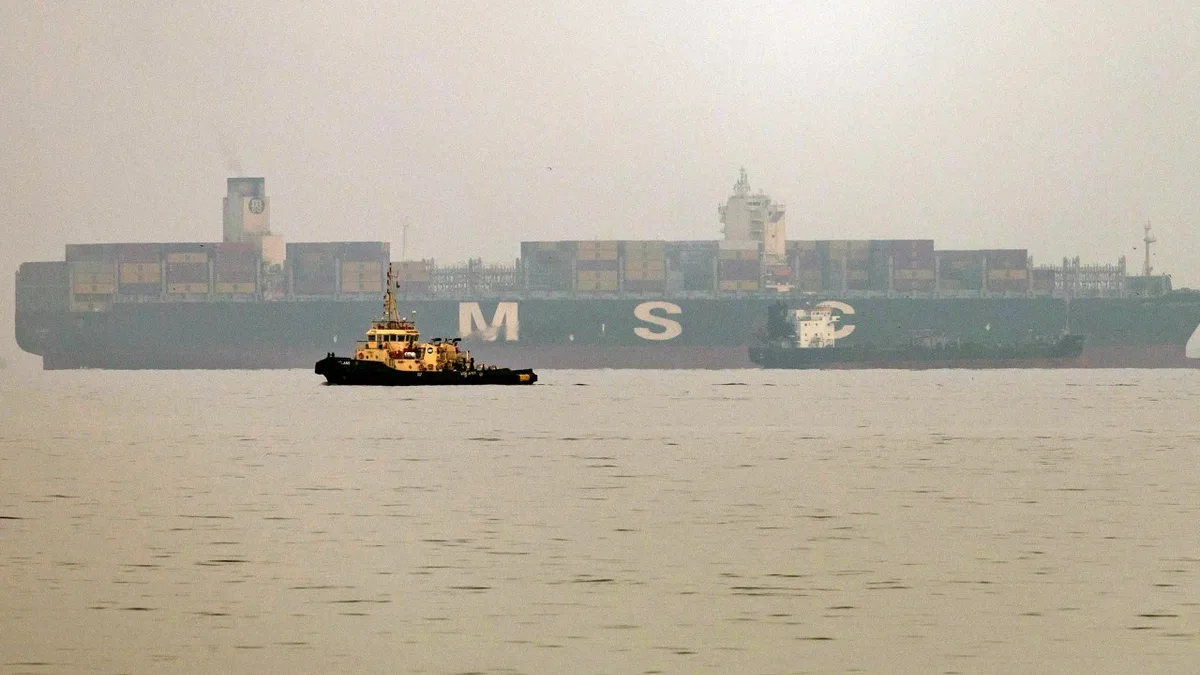
At first glance the logic runs the other way. Tanker traffic through the Strait of Hormuz, which carries roughly a fifth of the world’s oil, is at its lowest since May. Fewer shipments normally mean higher prices. Yet the market has been trading fear rather than an actual shortage for weeks: the drop in traffic was already baked into a price above $100, so any sign of easing tension cuts the premium faster than the physical shortfall lifts it.
Supply is also being rerouted rather than lost. Saudi Arabia’s exports via the Red Sea have fallen 41 percent from their March peak, as refiners and buyers choose safer routes around Africa that are longer and costlier. The barrel still reaches the market, only more slowly and at higher freight cost. For price formation that is a crucial distinction: the risk of a cutoff is not the same as a cutoff.
Who loses and who gains from a lower price
A lower Brent price directly eases the burden on importers. European Union countries, which pay for oil in dollars, get relief on energy costs and inflation pressure. For Serbia, which imports most of its oil, every drop in the benchmark softens the cost of supply and the pressure on retail fuel prices, though that effect shows up at the pump with a lag.
Producers are on the losing side. The budgets of Saudi Arabia, Russia and other exporters rely on a higher average price, and every dollar below the projected level trims export revenue. For the OPEC Plus members, which have already pulled part of their output to hold the price up, a return below $100 means defending that level has become more expensive and more uncertain.
The open question is durability. A price lifted by geopolitics falls back as soon as the risk cools, but it can jump just as fast on any fresh headline from the Gulf. If US-Iran talks genuinely get under way, Brent could settle closer to supply-and-demand fundamentals. If the talks collapse, the war premium returns overnight. Do you think a lower oil price will reach local pumps, or will the exchange rate and margins along the supply chain swallow it first?