Brent Oil Jumps 8%, Gas in Europe Nears €72
Brent crude hit $96.28 a barrel Friday, its strongest weekly gain since July, over 8 percent. TTF gas broke through 72 euros, a fourth straight weekly rise ahead of the heating season.

A barrel of Brent crude hit $96.28 on Friday, September 4, up $0.76, or 0.80 percent, from the previous quote. For the week as a whole, Brent gained more than 8 percent, its strongest weekly jump since July. Gas on the Dutch TTF exchange crossed 72 euros per megawatt hour that same day for the first time since the week opened, up more than 7 percent for the week, marking the fourth straight week that gas has gotten more expensive in Europe.
The $96.28 figure comes from Trading Economics, which dates that price and the 0.80 percent gain to Friday, September 4. The same source, in the daily market roundup it published that day, cites a different figure elsewhere in the piece: that Brent traded at around $95.73 a barrel on Friday. The two numbers from the same day differ by roughly half a dollar, a discrepancy the source never explained.
That Friday morning looked different from the afternoon. November delivery Brent futures were up 0.41 percent in the morning, at $95.91 a barrel, while the October WTI light crude futures contract rose 0.69 percent, to $91.93. The $96.28 figure, the one carrying the weekly record, arrived later the same day, as a continuation of the morning’s gains rather than a separate, earlier reading.
Gas: 71.5 Euros in the Morning, 72 Broken by Day’s End
The same pattern held for gas. October TTF futures opened at 71.5 euros per megawatt hour on Friday, September 4. The previous day’s close, Thursday, September 3, had been 73 euros, the highest level since 2023. Gas prices kept rising through the session and broke above 72 euros, quoted at 71.96 euros, up 0.20 percent on the day.
On a weekly basis, gas in Europe has gained more than 7 percent, the fourth straight week of increases. srpske.rs covered the one day spike, when Brent first passed $95 and gas passed 70 euros, in an earlier piece titled “Oil Price Jumps to $95, Gas Tops 70 Euros.” What was a one day move back then is now a weekly trend: four straight weeks of gains for gas and the strongest week for oil since July.
Why Prices Are Rising
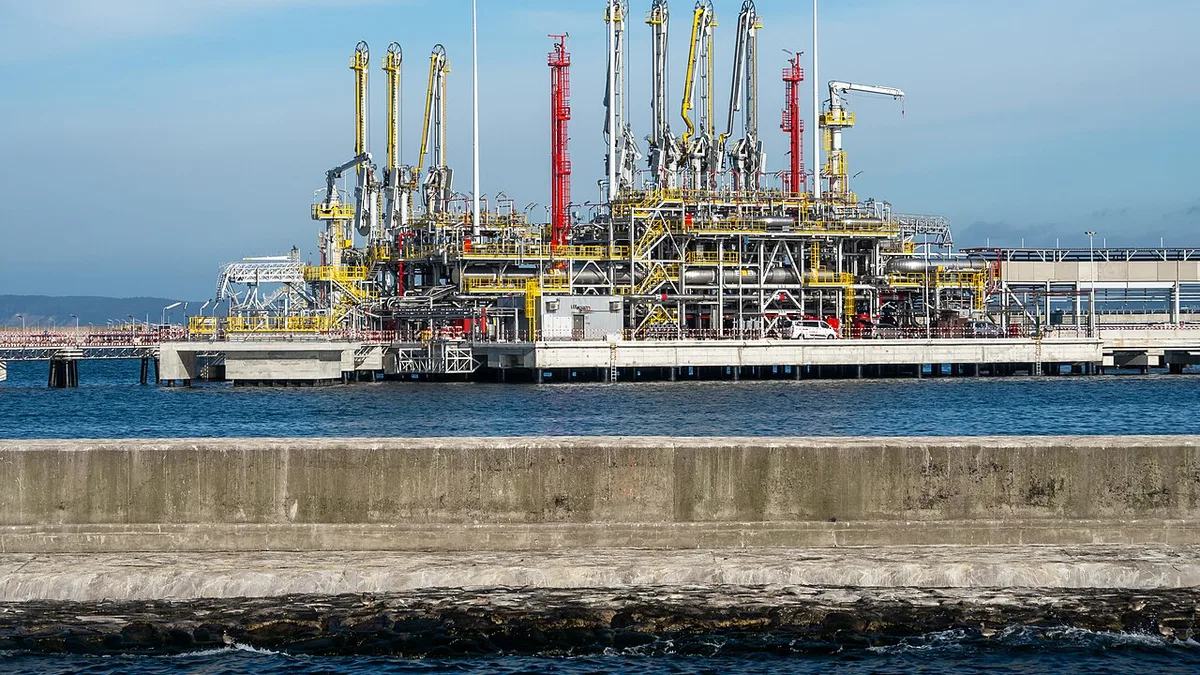
The war in the Middle East is cited as the reason behind both the oil and gas gains: U.S. strikes on Iran, Iranian retaliatory strikes on bases in the region, and attacks on ships in the Strait of Hormuz. The gas market is also being driven by fears that liquefied natural gas shipments from Gulf states to Europe could be disrupted, since that share of imports would be the first hit if the regional conflict spreads to shipping routes.
Europe is heading into the heating season with gas reserves below the usual level for this time of year. That combination, lower stockpiles ahead of winter and the risk to Gulf deliveries, explains why gas has now risen for four straight weeks rather than in a single short spike like the one at the end of August.
The Rest of the Market That Day
European stock markets mostly closed higher on Friday, September 4. Germany’s DAX rose 0.18 percent, France’s CAC 40 added 0.07 percent, and Britain’s FTSE 100 was nearly flat, up 0.01 percent. Moscow’s MOEX gained 1.15 percent, while Milan’s FTSE MIB was the only index in the red, down 0.45 percent.
Gold fell the same day to $4,467.64 an ounce, while the euro traded at $1.16268 on the currency market. Gold falling just as oil and gas rise suggests some investors are shifting money out of safer assets and into energy, though TTF and Brent back that up with actual numbers, while gold moved in the opposite direction that same day.
The next benchmark for the oil market is the U.S. labor market report, which is also watched for its bearing on the Federal Reserve’s interest rate decisions, while for gas the key question remains how quickly Europe can refill its reserves ahead of winter to the levels typical of previous years.