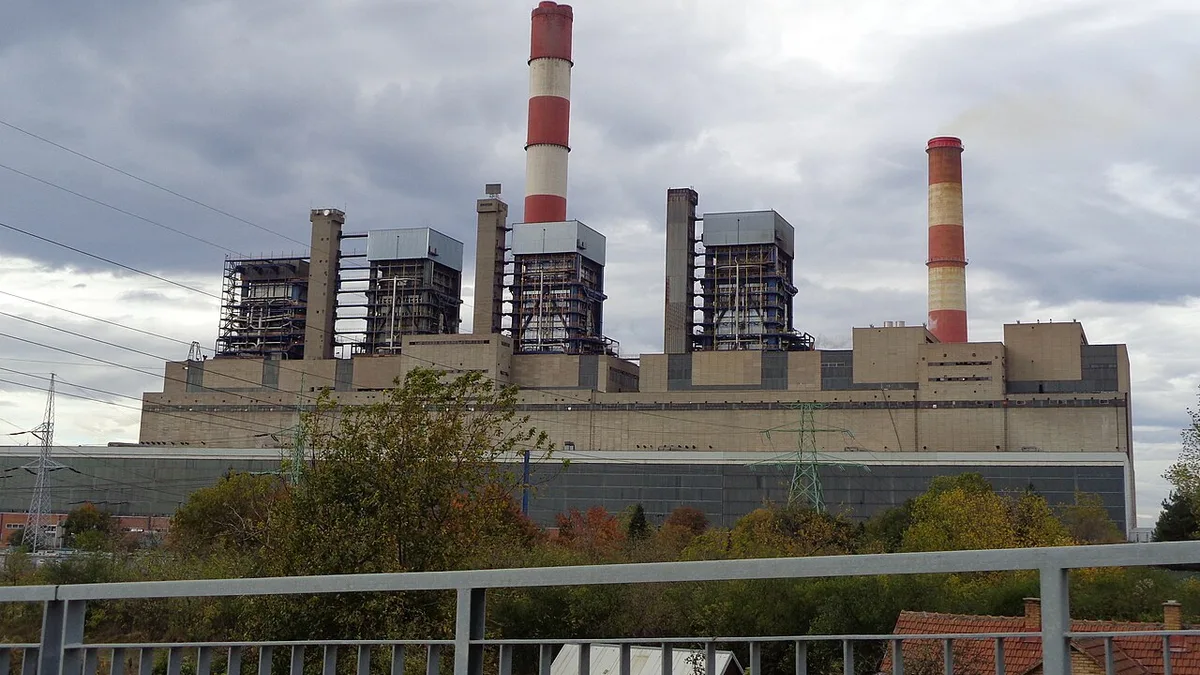
EPS Yet to Request Power Price Hike, October 1 Deadline
EPS still hadn't filed a request with AERS for a new power price by mid September, though the IMF deal deadline is October 1, 2026. Economists disagree on whether the hike waits until after the vote.
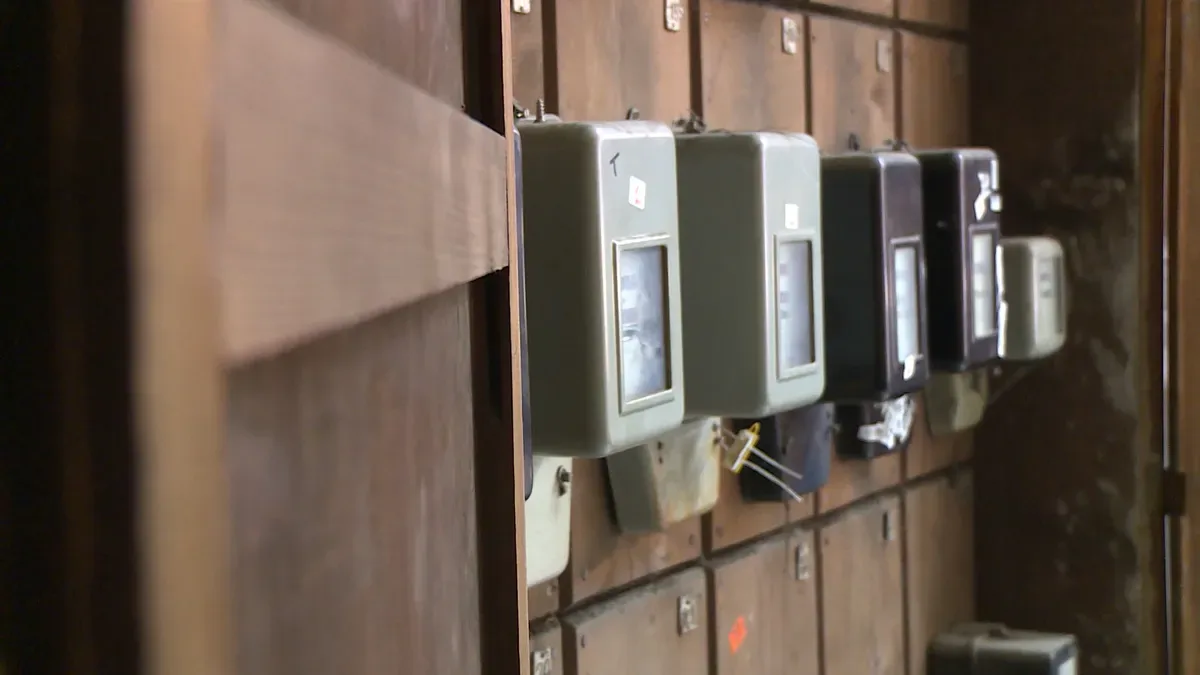
The October 1, 2026 deadline for a new electricity price hike is still written into Serbia’s agreement with the International Monetary Fund, but Elektroprivreda Srbije (EPS), the state power utility, had not filed a request with the Energy Agency of the Republic of Serbia (AERS) for a price change as of September 13. Under AERS rules, that request has to arrive at least 30 days before the new tariff takes effect, which means the filing window is effectively closing already, if the price is really meant to change exactly on October 1.
Serbia took on the commitment in the Memorandum of Economic and Financial Policies signed on June 20, 2025 by Prime Minister Djuro Macut, National Bank of Serbia (NBS) Governor Jorgovanka Tabakovic, and Finance Minister Sinisa Mali. The IMF published the document on July 11, 2025, as part of an arrangement called the Policy Coordination Instrument. That arrangement runs for 36 months and, unlike a conventional loan, doesn’t bring Serbia any IMF money; the document itself describes it as a certification of the country’s economic policy.
The same document has already been applied once before: on October 1, 2025, household electricity prices rose by at least seven percent, with the reasons cited at the time being the improved finances of Elektrodistribucija Srbije and the need for investment in energy infrastructure. For the round due this October 1, the formula is different: the increase can’t be smaller than inflation plus one percentage point.
That math is still unsettled. Based on an earlier inflation projection of 3.7 percent, the minimum increase would come out to around 4.7 percent. The IMF now expects average inflation of around 3.5 percent for 2026, which would bring the floor down to roughly 4.5 percent. Which figure ends up official is still unknown, since no request has even been submitted to AERS yet.
Why the request is late
Energy expert Zeljko Markovic told Insajder, in an article Radio 021 carried on September 13, that EPS still hasn’t sent AERS any kind of filing.
“They haven’t submitted any request. The request has to be filed at least 30 days in advance.”
Markovic adds that the deadline for the price correction and the pre-election mood don’t mix well.
“When elections are on the horizon, raising the price isn’t popular. I think EPS won’t file the request, at least not right now.”
Goran Radosavljevic, professor of public finance and energy economics at the FEFA Faculty, also points to the political calendar. He rules out the price hike arriving before the vote.
“I don’t believe the electricity price will go up before the vote. There’s simply no chance of that happening.”
Radosavljevic doesn’t read the deal with the IMF as an obligation that gets carried out automatically and to the letter.
“You tell them what you’re going to do, and they accept it. Formally, at the end of the day, it’s a kind of negotiation. So what you promised, you don’t actually have to deliver.”
As an example, he cites the professionalization of public companies, a commitment that, in his words, keeps reappearing year after year in arrangements with the IMF without ever being carried out. Serbia’s latest meeting with the IMF, he adds, went well, and the institution rates the country’s performance as good, so pushing the price hike to after the election wouldn’t, in his estimate, put the arrangement at risk.
Will the price hike come anyway
Even so, Radosavljevic doesn’t rule out a price correction, he just pushes it back in time.
“Will it happen? I assume it will, because given the situation EPS is still in, we’re still importing coal, investment is close to nonexistent, the electricity price will probably need to go up.”
Part of the reason lies in production. Hydropower plants account for around 31 percent of EPS’s average annual output, and the Djerdap branch alone contributes about 21 percent of that. Because of drought and low Danube inflows, hydropower output on that river could turn out to be among the weakest in the company’s history this year, adding further strain to EPS’s balance sheet in a year when coal imports are still making up for shortfalls in domestic production.
Insufficient investment is the one point where Radosavljevic and Markovic agree, even though they read the political moment differently. Markovic sees the pre-election uncertainty as the reason the request to AERS is late, while Radosavljevic sees the same uncertainty as the reason the price hike, whenever it comes, will be hard to avoid.
We’ve reported before on electricity prices in Serbia, when the price, after a 60 percent jump, still stood 44 euros below the price in Hungary. This time the question isn’t how much electricity costs today, but whether EPS will even manage to meet the deadline Serbia set for itself with the IMF.