Markovic: EPS Paid Over 7 Million Euros a Day for Imports
Zeljko Markovic of the Energy Association: imports covered 26% of consumption in October, EPS rebalanced its plan and took on more debt, and power will cost more in 2027.
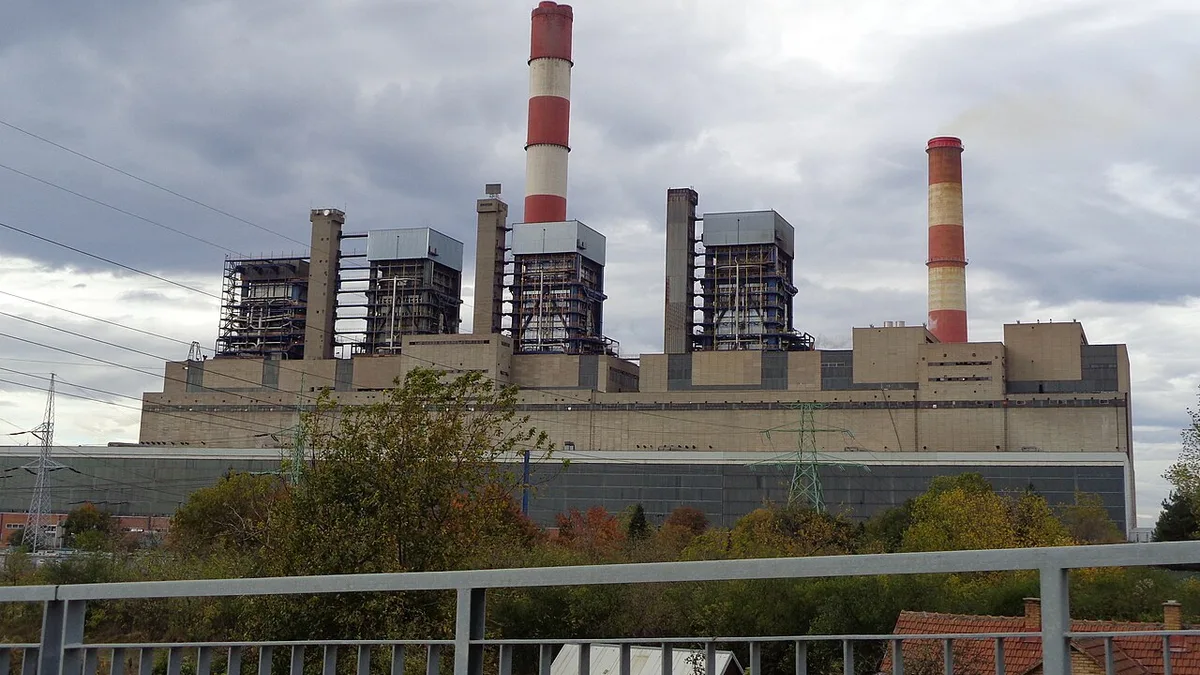
Imported electricity covered an average of 26% of Serbia’s consumption in October, and Elektroprivreda Srbije (EPS) had to spend more than seven million euros a day on those imports, said Zeljko Markovic, a member of the Energy Association. The figures come from his statement to the Beta news agency, which does not say they were taken from an official EPS report.
Markovic was answering a question about the state of EPS and the risk of power restrictions this winter. The question was raised publicly by Stevan Cveticanin, a representative of the Student List, and was addressed to the caretaker government.
How much does imported electricity cost?
Markovic described the amount this way:
“EPS had to spend more than seven million euros a day on electricity imports. That electricity is paid for by customers, both households and businesses, but because of the lower prices that were contracted and the high current prices on the market, it is estimated that EPS needs around 300 million euros to buy electricity by the end of the year,” Markovic said.
The roughly 300 million euros needed through the end of 2026 is therefore an estimate, not an established figure, and the gap Markovic describes arises between the lower contracted prices and the high market prices for electricity.
To raise that money, EPS management, according to Markovic, had to rebalance its business plan and take out an additional loan:
“EPS management had to rebalance the business plan, which was approved by the Supervisory Board and the Shareholders’ Assembly, and take on additional debt through a loan to secure the money for buying electricity until the end of this year,” Markovic said.
Why does domestic output fall short?
Markovic lists several causes that, in his words, piled up:
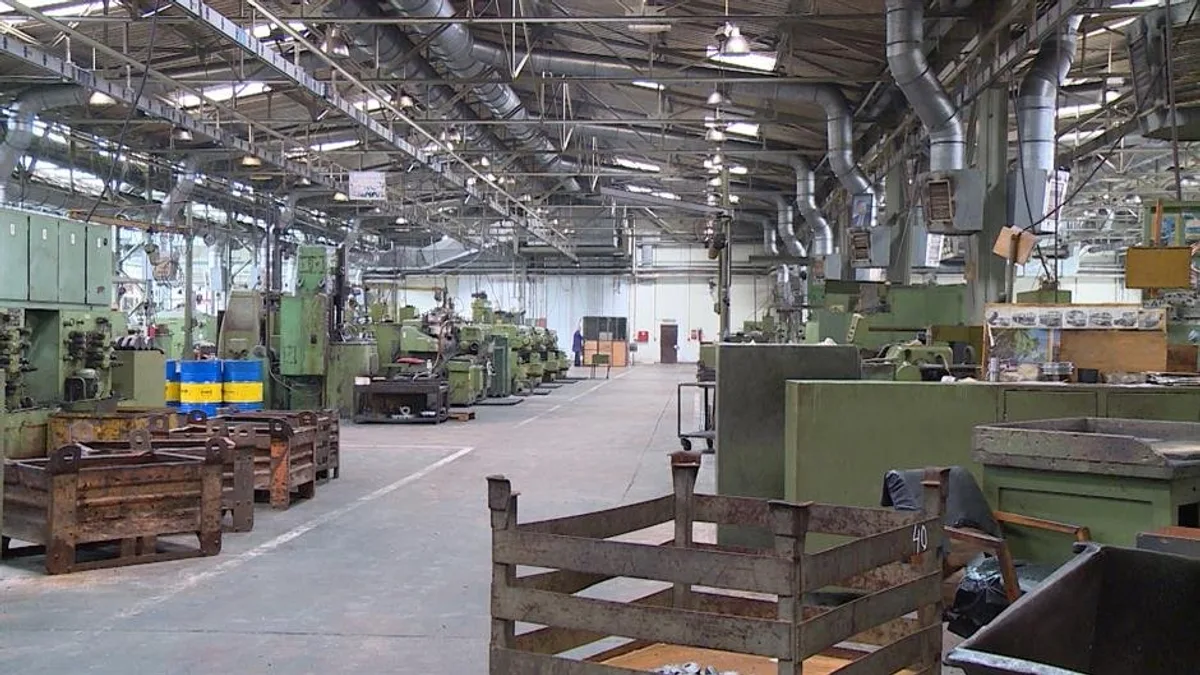
- major problems in mining and coal quality at the Kolubara mine, which have complicated the work of thermal power plants for several years
- aging thermal capacity and frequent outages of thermal units
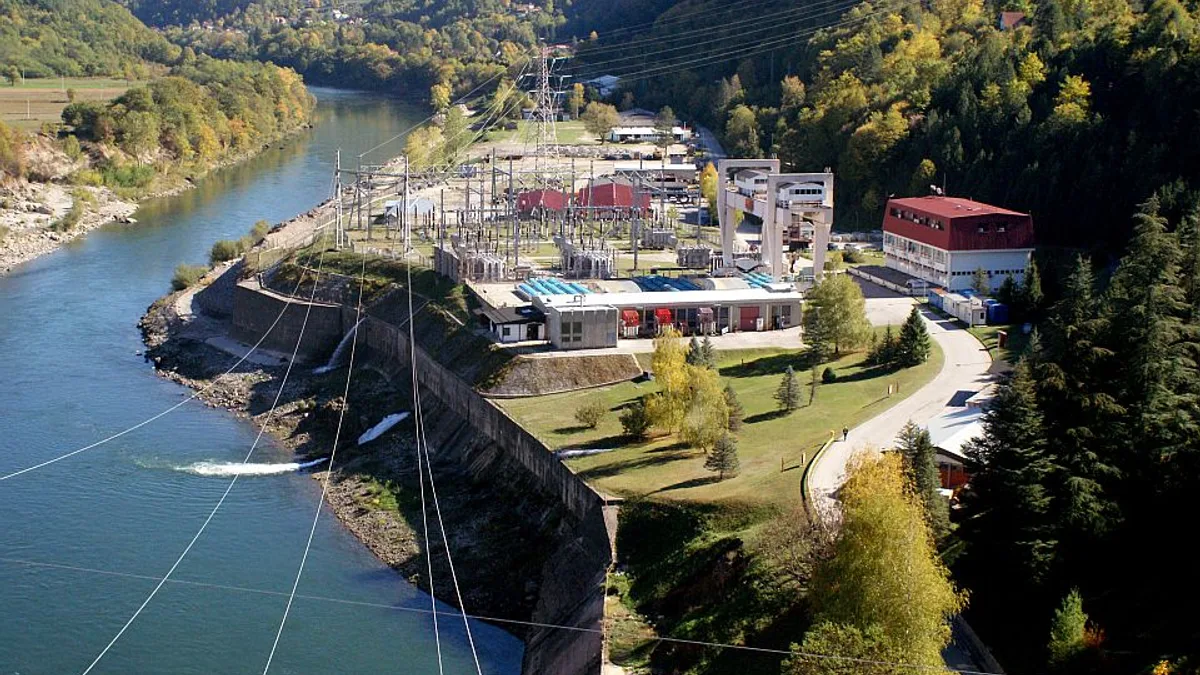
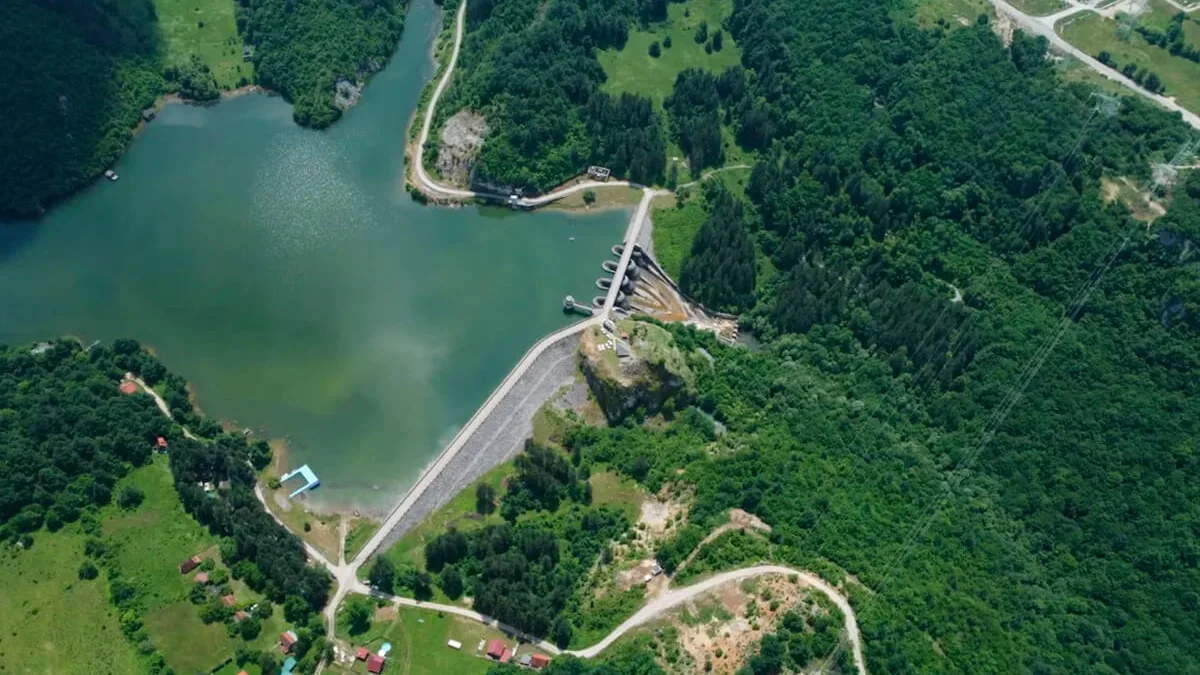
- drought, which kept hydropower output very low in the second half of the year
- low water levels on the Danube, which hindered barge traffic and imports of coal from Indonesia, used to make up for reduced domestic coal output
Because of that combination, Markovic said, EPS output this year cannot meet domestic consumption.
Higher prices in 2027 and a call to save
Markovic announced that electricity will have to cost more in 2027. He told customers who buy at commercial prices, meaning businesses, to factor that into their budgets. He also warned that the problem could be left for a new government if the situation continues through next year, because additional funds will then have to be found to avoid cuts.
He does not expect the cuts themselves:
“I believe we will not end up in a situation where electricity supply reductions are introduced, but I appeal to citizens and businesses to use electricity as rationally as possible and to try to avoid supply problems by saving,” Markovic said.
What does he propose for gas before November 1, 2027?
Asked whether a long-term gas contract should be signed with Russia, as the Student List plans, Markovic answered that it is a complex question and that a multi-year contract “does not automatically have to mean the best solution for gas supply.”
His reason was the European Union’s plan, under current legislation, to end all Russian gas deliveries to member states by November 1, 2027. Transit through member states remains possible for countries outside the Union, such as Serbia, but Markovic believes pressure on supplies from Russia can be expected:
“Under its current legislation, the EU intends to end all gas deliveries from Russia to its member states by November 1, 2027. Even though gas transit through EU member states will still be allowed for non-member countries such as Serbia, if I understand correctly, we are not giving up on the path to EU membership, so it is certain that in the future we can expect pressure over gas supplies from Russia,” Markovic said.
According to him, Serbia could technically be supplied even now with gas that does not come from the Russian direction, via the Balkan Stream, but that gas would cost several times more. He therefore insists on diversifying supply routes. He added that gas prices change and may fall in the future, and that a long-term contract is possible from the direction of Hungary. Besides fixed multi-year contracts, he said, there are framework agreements that commit the parties less.
His proposal is to contract gas for the first three quarters of next year on terms similar to the current contract, and for the new government and the relevant ministry to then work out a strategy for future contracts.
What did he say about the OFAC license for NIS?
The conversation began with a license from the US Office of Foreign Assets Control (OFAC), issued to MOL and MOL Serbia Investment Kft and valid until February 28, 2027. Markovic told Beta it is “a step toward resolving the question of ownership in NIS and normalizing that company’s business.”
He stressed that the license does not cover completing the transaction that would end Russian ownership and control of NIS, and that this will require a separate OFAC approval. For that reason, in his words, caution is needed, but the permit confirms that there is “a certain progress” on the way to a final solution.
As further confirmation he cited a statement by Hungarian Foreign Minister Anita Orban that all three sides, Hungarian, Russian and Serbian, want to finish the NIS negotiations by December 11, when the company’s last operating permit expires. Markovic recalled that NIS has been waiting for an OFAC license extension almost every month for two years, because the United States imposed sanctions on Russia over the war in Ukraine.