Serbia Power Imports in October: About 100 Million Euros
Energy expert Zeljko Markovic estimates that more than a quarter of the electricity Serbia consumed in October was imported, at a cost of about 3 million euros a day.
Electricity imports covered more than a quarter of Serbia’s consumption in October, and energy expert Zeljko Markovic estimates that this power cost about 100 million euros on the exchange, or roughly 3 million euros a day. The estimate is new compared with the earlier part of his appearance, in which he spoke about oil reserves.
In brief
- More than 25% of the electricity intended for consumption in October came from imports
- Markovic puts the cost at exchange prices at about 100 million euros, around 3 million euros a day
- EPS may also have bought under bilateral contracts outside the exchange, so part of that money could have been saved
- Markovic does not expect an electricity shortage this winter, but warns about the high cost of imports
How much electricity came from imports?
Markovic told RTS:
“In October, over 25 percent of the electricity intended for consumption came from imports.”
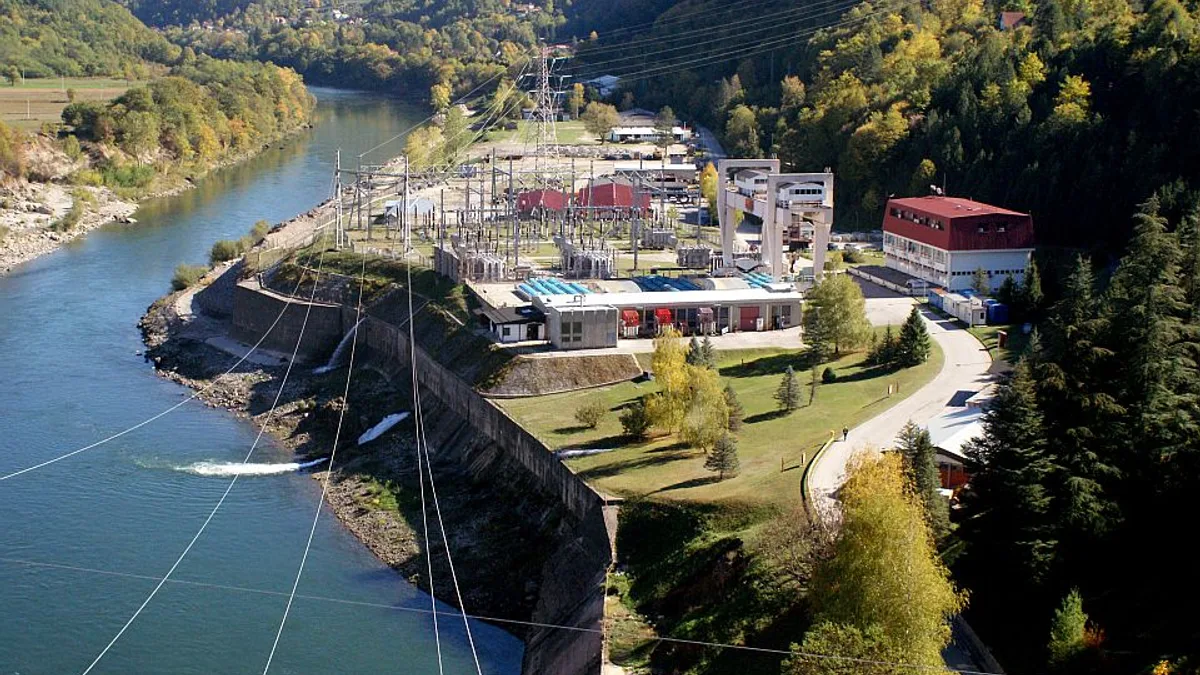
The main reason, he says, is lower output from hydropower plants because of the drought. The Bajina Basta reversible hydropower plant, which stores electricity for moments of shortage, has a little over 600 megawatts. Markovic considers that capacity small and not enough to cover the shortfall.
What is behind the 100 million euro estimate?
Markovic explained to Vreme that this amount of electricity now costs about 100 million euros on the exchange, which is three million euros a day. It is his estimate at exchange prices, not an invoiced bill. He adds that EPS may have had bilateral contracts under which it bought electricity outside market terms, so part of the money could have been saved. How much is not publicly known.
Elektroprivreda Srbije (EPS) said earlier that its overhauls were finished. Ivan Gajic, assistant executive director of EPS for coal and thermal power production, said on October 8:
“Even on the oldest units in the TENT branch, A1 and A2, extended overhauls and expanded works were carried out to prepare the units, especially the boiler piping systems as the most critical equipment, for the coming heating season.”
Gajic said this in connection with preparations for the heating season, while Markovic ties October’s imports to the hydropower sector.
What does this mean for winter and for household bills?
Markovic does not expect an electricity shortage during the winter, but he warns about the high cost of imports. Electricity prices on European exchanges are high, and expensive natural gas, used in the plants that cover peak demand, adds pressure. According to Telegraf, citing a Guardian report from October 26, European wholesale gas prices reached about 97 euros per megawatt-hour, the highest level since 2022.
An exchange spike does not pass automatically to household bills. The household electricity price in Serbia is regulated, and according to an October 9 analysis by the portal Doing Business in Serbia, the next increase in the regulated price has been postponed. The next tariff adjustment is expected after a proposal that should be considered by the end of 2026, in line with the revised timetable agreed with the International Monetary Fund.
When will new hydropower plants arrive?
Mining and Energy Minister Dubravka Djedovic Handanovic said in mid-June 2026 on Radio Belgrade 1 that the two most important hydropower projects are the Bistrica and Djerdap 3 reversible plants. The estimated value of Bistrica has changed over time: 560 million euros in the 2022 spatial plan, 625 million euros in an EPS estimate from October 2022, 835 million euros in the ministry’s plan from June 2023, and on July 31, 2023 Aleksandar Vucic cited 1.2 billion euros for a 650-megawatt plant.
Djerdap 3 is planned at 2,400 megawatts, with an additional 400 megawatts from wind and solar, and a completion deadline of 2038. In early July 2026 the minister said that six companies had expressed interest. The project runs under an agreement between the governments of Serbia and the United States on strategic energy cooperation, in force since March 2025, and the public call for expressions of interest was published by the US Embassy.
What did Markovic say about NIS?
In an RTS interview, reported on October 26 by Srbija Danas, the same expert also spoke about the license of Naftna Industrija Srbije (NIS), which expires on October 30. He expects the US sanctions authority OFAC to extend it. If the decision goes the other way, in his words:
“And all those reserves can ensure some uninterrupted supply for two to three months for sure.”
We previously wrote about that estimate of oil reserves if NIS is left without a license.