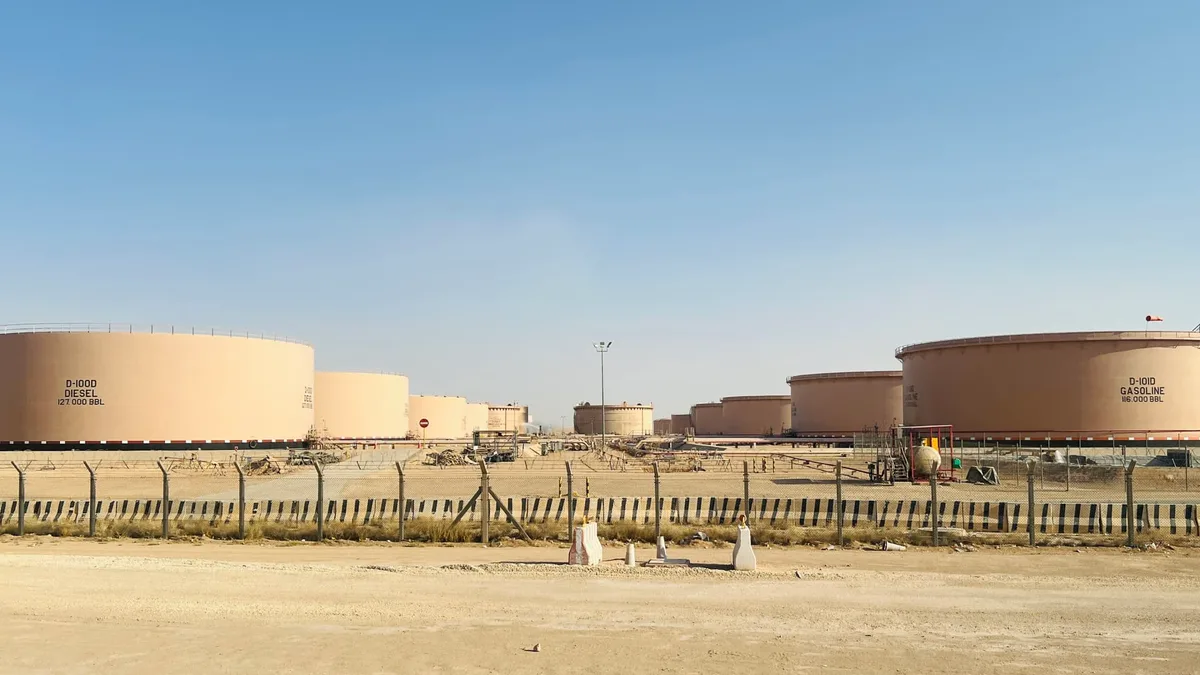
Brent Oil Jumps to $108 as Trump Weighs Diesel Export Ban
Brent crude climbed past $108 a barrel on Monday after Trump rejected Iran's proposal on the Strait of Hormuz and floated a possible ban on US diesel exports.

North Sea Brent crude touched $108.30 a barrel at 9:59 GMT on Monday, a jump of $3.98, or 3.82%, according to Reuters. The rally followed US President Donald Trump’s rejection of Iran’s proposal to reopen the Strait of Hormuz.
Prices climbed steadily through the morning. Brent stood at $107.75 a barrel at 5:40 GMT, up $3.43, or 3.29%, before reaching the $108.30 mark by 9:59. US benchmark WTI crude traded at $95.93 at the same time, up $3.52. Later in European trading, some of those gains faded: Al Jazeera, citing market data, put November Brent futures at $107.35 just before 8:00 GMT.
Brent had closed at $104.32 a barrel on Friday, down $2.28, or 2.1%, as traders weighed the possibility of a US-Iran truce. WTI fell to $92.41 that same day, a drop of $2.20. Over the course of the previous week, Brent gained less than 1%, Reuters reported, while WTI lost about 8%.
At last week’s United Nations General Assembly, Iran proposed reopening the Strait of Hormuz within seven days and resuming nuclear talks, in exchange for the unfreezing of Iranian assets, the lifting of sanctions and an end to the US naval blockade of Iranian ports. Trump rejected the offer, though he told reporters he expects US negotiators to continue talks with Tehran this week. He told Axios:
They want to make a deal, but it’s not the deal I want to make.
Why Is Trump Threatening a Diesel Export Ban?
The day before the oil price surge, speaking to Fox News at the Presidents Cup golf tournament in Illinois, Trump said the White House is seriously considering banning US diesel exports as well.
We’re seriously thinking about it. That can often lead to a modest rise in gas prices for cars, so we’re seriously considering it. We might do it.
The average US diesel price stood at about $6.50 a gallon on Friday, close to the record $6.53 set on September 22. Politico reported that the administration is preparing a 90 day ban on diesel exports, while Energy Secretary Chris Wright favors restrictions over an outright ban.
Who Would Feel a Diesel Export Ban Most?
The United States became Europe’s largest external diesel supplier in August, accounting for about 50% of European seaborne imports, while diesel prices in the European Union have risen 40% since the start of 2026. American Petroleum Institute president Mike Sommers warned that the move would hurt Americans too, saying restricting US energy exports would only make the problem worse.
Nadezda Kokotovic, executive director of the Brussels energy club, says a full US export ban would trigger shortages elsewhere, even as it eased pressure on the US market, where diesel and heating oil account for a fifth of consumption. She told the newspaper Danas:
I’d love to hear now from all those analysts who saw no problem with shutting down NIS and importing everything.
Traffic through the Strait of Hormuz totaled 132 ships between September 21 and 27, according to Marine Traffic data, up from 116 the previous week but still below the roughly 130 ships a day recorded before the war began. Srpske Novine reported Friday on the earlier drop in oil prices, when Brent fell to $105 on news that Washington and Tehran might reach a truce. Axios, citing sources familiar with the talks, reported that indirect negotiations between Washington and Tehran could begin as early as Monday.