Birol in Dublin: IEA on New Oil Reserves and Diesel
The head of the International Energy Agency said members can discuss additional strategic oil reserves if needed, while diesel at European pumps hits record highs.

Fatih Birol, executive director of the International Energy Agency (IEA), said in Dublin on September 29 that the agency’s members can again discuss releasing additional strategic oil reserves if the need arises. The trigger is diesel prices, which have hit record highs at pumps across the European Union this month.
What did Birol say ahead of the energy ministers’ meeting?
Birol spoke to reporters before the start of the informal meeting of EU energy ministers, held on September 28 and 29 at Dublin Castle under Ireland’s presidency of the Union. The meeting is chaired by Ireland’s Minister for Climate, Energy and the Environment, Darragh O’Brien, and its agenda covers energy prices, innovation and energy security.
On the state of the market, the head of the IEA said:
We are watching the markets very carefully, especially the markets for derivatives, diesel and others. If there is a need, of course we will talk to the governments of our member countries so that we can take the necessary steps.
Birol declined to comment on proposals hinted at by French President Emmanuel Macron and other leaders, which concern releasing additional strategic reserves to bring down oil prices.
What has the IEA already done this year?
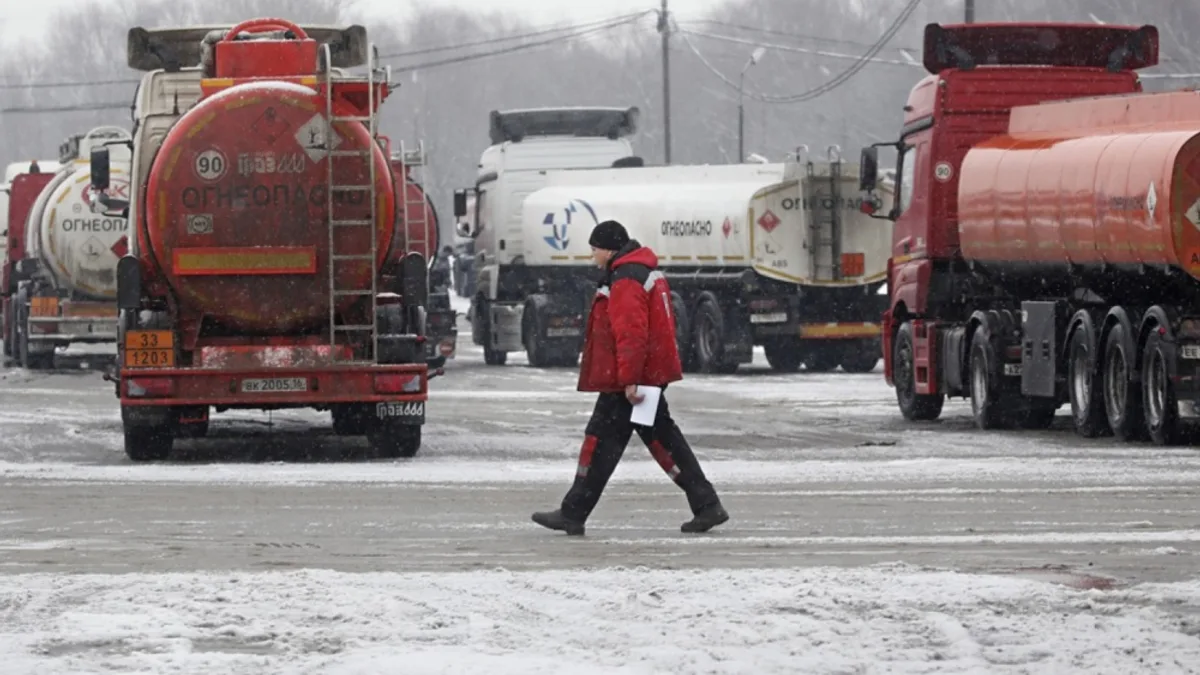
In March 2026, the agency agreed to release 400 million barrels from strategic reserves because of the war between the United States, Israel and Iran. We previously wrote about Brent crude jumping to 108 dollars and about President Donald Trump’s threat to ban diesel exports. A possible ban on US diesel exports, an idea Trump supports, could worsen the situation on the European fuel market.
The European Commission has meanwhile recommended targeted support for the hardest-hit sectors and relaxed its state aid rules.
Gas: storage 70% full, commissioner urges savings
Gas prices in Europe have more than doubled because of the war with Iran, and the Union must at the same time refill its reserves before winter. EU gas storage is on average about 70% full, with large differences between member states:
- EU average: about 70%
- France: 82%
- Germany: 57%
European Energy Commissioner Dan Jorgensen sent a letter to all 27 member states ahead of the meeting. Storage levels are, he wrote, “extremely low” for this time of year, but “there are currently no immediate risks to security of supply”. He called on governments to introduce or continue measures that cut demand for gas and electricity, “for as long as necessary”.
The Dublin talks are informal and, according to previews, are not expected to produce major decisions. Their purpose is to coordinate the moves of member states, among which Brussels wants to avoid simultaneous refilling of storage, since that would push prices up further.