IEA speeds up diesel stock release: over 20 million barrels
The International Energy Agency's governing board met Thursday and agreed to release the remaining reserves faster, while oil holds near $105 a barrel.

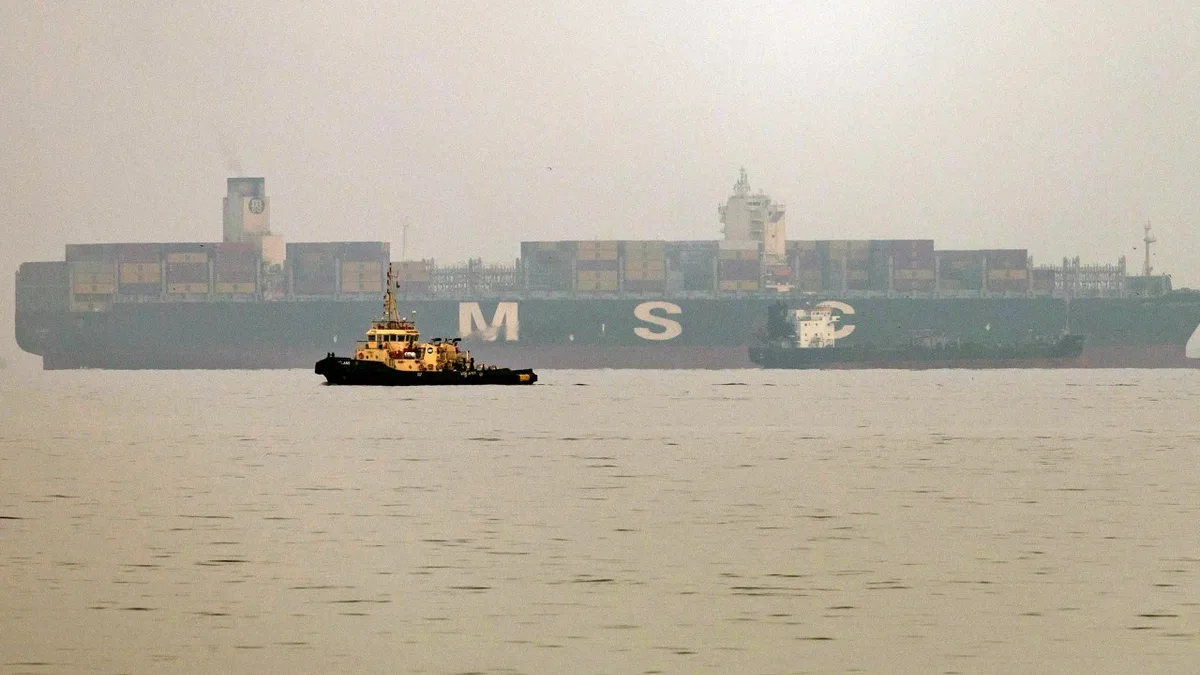
Member countries of the International Energy Agency (IEA) have so far released about 330 million barrels of oil and oil products from their emergency reserves, out of more than 400 million pledged in March. The agency’s governing board, which represents 32 countries, met on Thursday, October 15, 2026, and agreed to put the rest on the market faster, including more than 20 million barrels of diesel as soon as possible. Oil traded between $104 and $107 a barrel over the week.
What did the IEA governing board decide on Thursday?
The meeting focused on the volume and timing of stock releases, Reuters reports. In a statement after the session, the agency confirmed it is sticking with the action launched in March:
“The IEA Governing Board reaffirmed its commitment to continue implementing the March 2026 Collective Action, undertaken in response to the crisis in the Strait of Hormuz.”
Members pledged at the time to put more than 400 million barrels of crude oil and oil products on the market as prices surged. On Thursday, according to the agency’s statement, they agreed on the following:
“Agreed to accelerate the delivery of the remaining volumes, with specific plans already in place, including more than 20 million barrels of diesel, as soon as possible.”
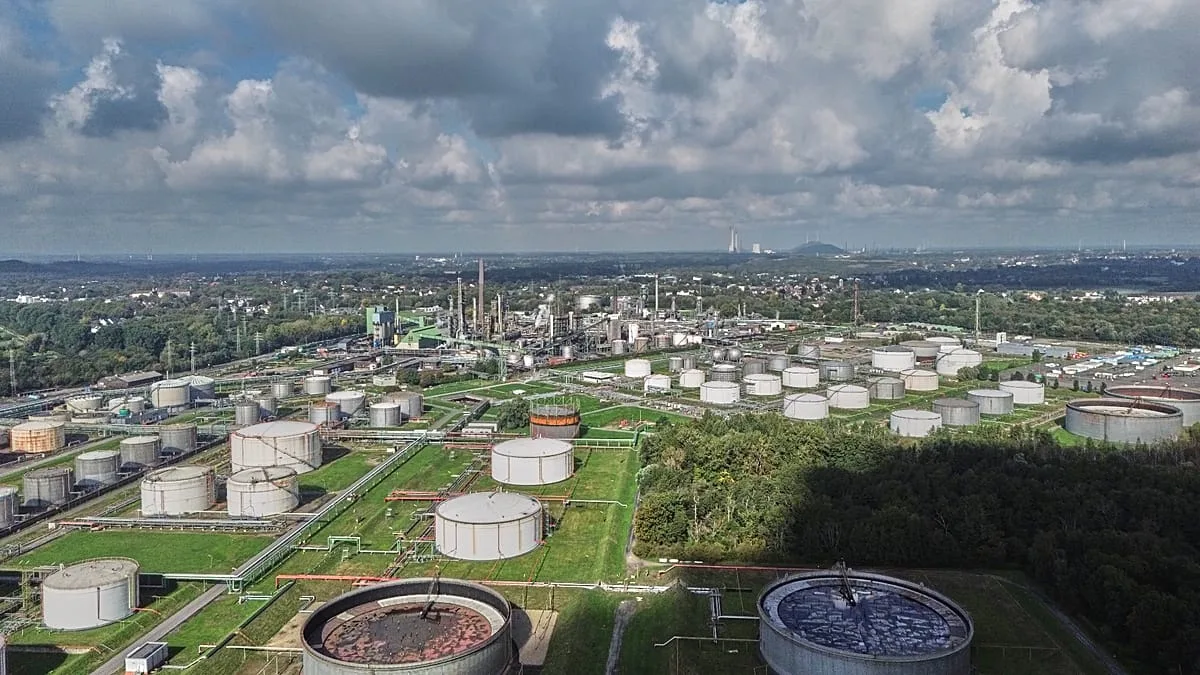
The IEA coordinates drawdowns from the emergency oil reserves of industrialized countries. The agency also said some members have already released more than they pledged in March, and others plan to do so.
How much of the pledge has actually been released?
The gap between the pledged volumes and what has reached the market so far is more than 70 million barrels. Individual members are not in the same position: Spain said on Thursday it will release 4.4 million barrels from strategic reserves in October, without specifying what exactly it will release. Of the 11.5 million barrels it pledged in March, Spain has released 3.7 million so far, or about 32%.
What kind of pressure is coming from Washington?
U.S. President Donald Trump has pressed European Union countries to cut their reserves, warning of a possible ban on U.S. diesel exports. According to Reuters, he is trying to push prices down ahead of the U.S. midterm elections on November 3. Bloomberg reported on Thursday, citing people familiar with the matter, that the U.S. told IEA members that the current release plans are not enough to stop fuel prices from rising. The White House did not immediately respond to Reuters’ request for comment.
Diesel prices have jumped to record levels in many markets because of supply disruptions from the Middle East and Russia, putting governments and consumers under pressure from inflation and the cost of living. The IEA previously estimated that diesel stocks would not recover until the second half of 2027, as we reported.
What does this mean for Serbia?
According to RTS, the Serbian market is supplied and there are no shortages for now, but oil prices remain high. RTS journalist Ruzica Vrankovic said in the Morning Program that the world has fallen into a long-lasting supply disruption:
“I think the world has entered a kind of geopolitical oil noose, I would say, that is tightening more and more.”
On the domestic market she said: “The Serbian market, it has to be said, is well supplied. We have had no problems, the state has released stocks too.” In her words, demand for diesel is being pushed up by autumn farm work and preparation for the winter season, and oil stood at about $105 a barrel on Friday morning.
The outlook for diesel is worse than for crude. Sinisa Malus, a journalist at the Croatian daily Poslovni Dnevnik who analyzes the oil market, told RTS that there is neither enough crude nor enough refining capacity to meet European demand:
“We can expect high diesel prices, unfortunately, at least until the middle of next year, and probably longer.”
Malus believes any shortages would hit countries without their own refineries hardest, and that Serbia and Croatia are in a somewhat better position. He had another assessment for refinery owners: “this is the golden age for refinery owners.” Vrankovic added that the IEA’s forecast also points to a diesel crisis that could last until the middle of next year, because crude is arriving more slowly while refining capacity, especially in Europe, is insufficient.
Another decision matters for supply in Serbia: the U.S. administration’s ruling on licenses for NIS, MOL and Janaf. Vrankovic says new license decisions are expected on October 30, and that until then there is no official information on the outcome of the talks.