Smederevo Steelworks: EU Quota Halved, 50% Tariff
Since July 1 the European Union has halved the Smederevo mill's quota to 410,000 tons, and Serbia's iron and steel exports for nine months total 500 million euros, about 10% less.
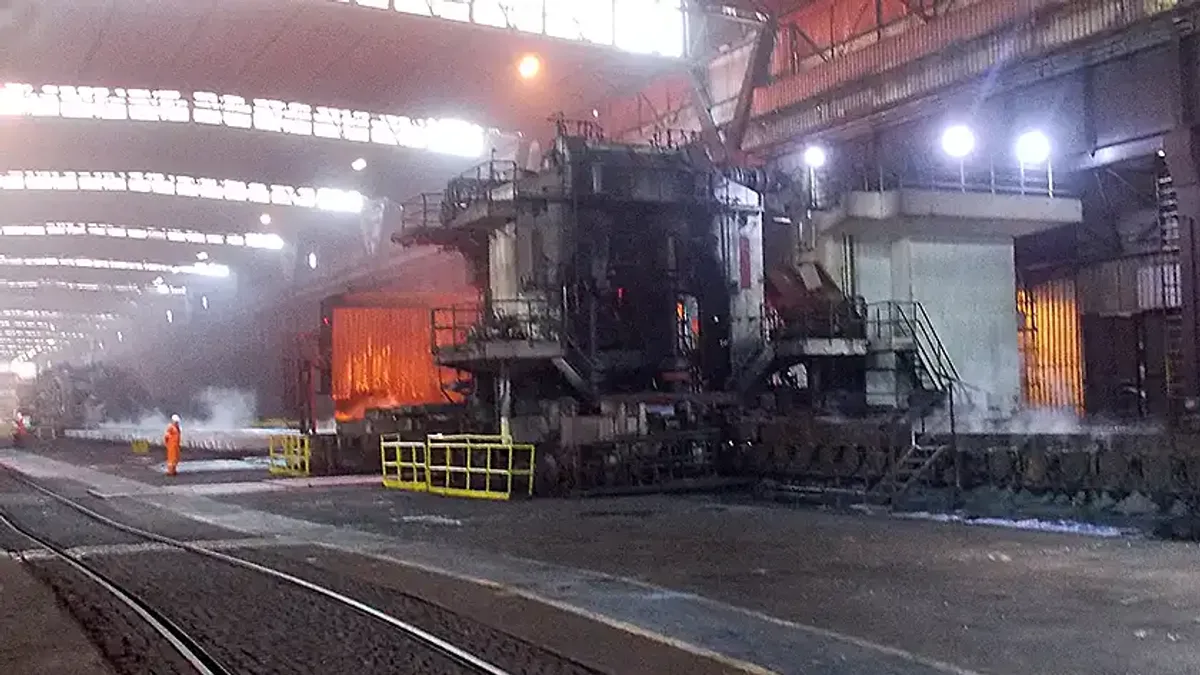
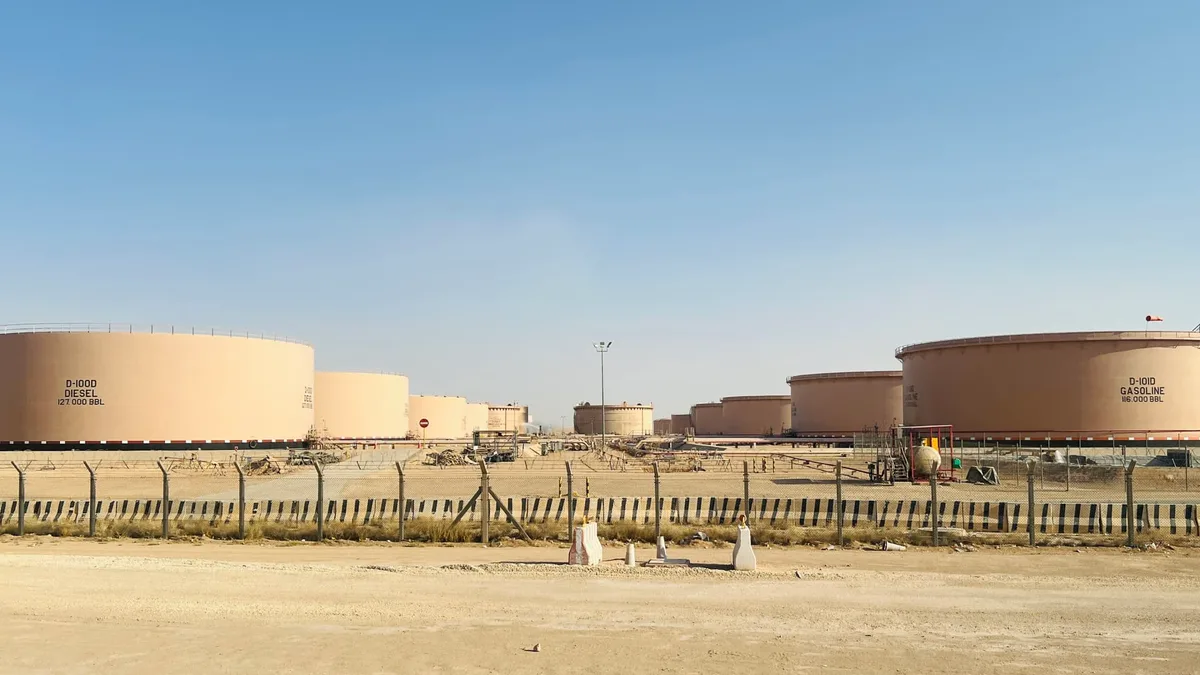
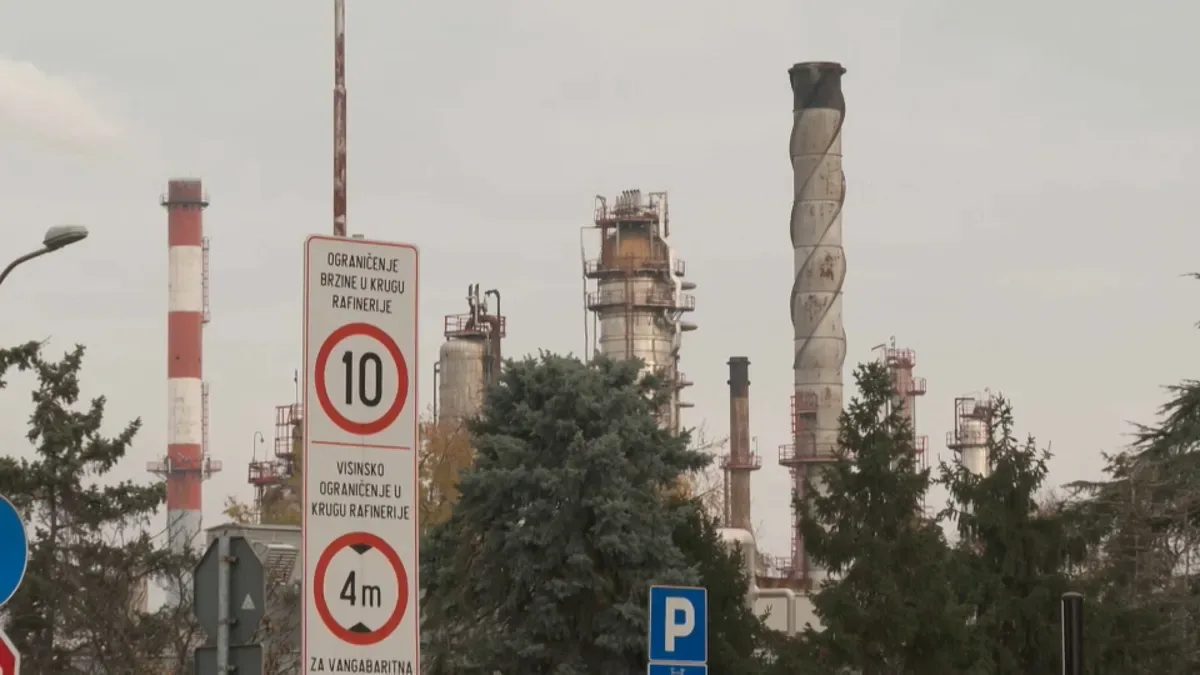
The Smederevo steelworks can export at most 410,000 tons of steel to the European Union at a 25% tariff from July 1, 2026, down from 820,000 tons before. Everything above that limit faces a 50% tariff. On that day the European Union halved its steel import quotas and raised the tariff from 25% to 50%. The EU is the largest market for the mill’s products, and the mill is wholly owned by the Chinese company New-Silkroad (Hong Kong) Holding, part of the HBIS group.
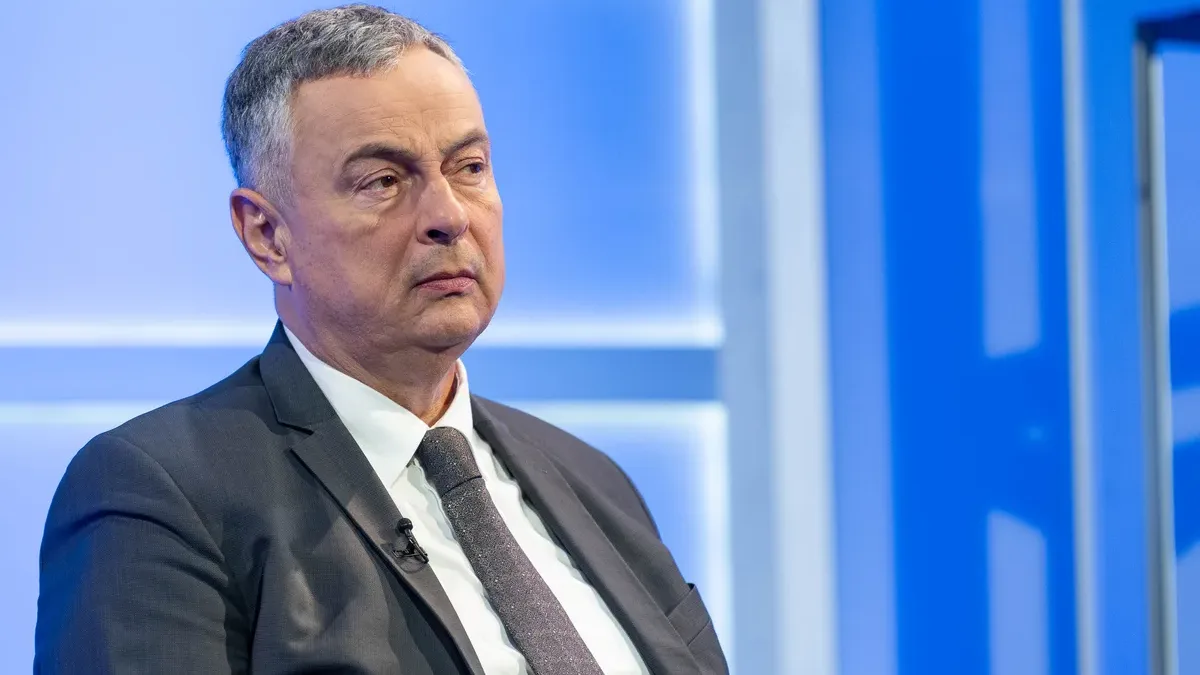
The figures came to public attention after Aleksandar Vucic, the former president of Serbia, raised the possibility of the plant shutting down on the Pink television show “Hit Tvit”. He asked:
“Who is talking today with the representatives of big foreign companies to keep them in Serbia? Who is talking with the Chinese steelworks?”
He then said how many people such a shutdown would hit:
“If they shut down the steelworks for us, that is not 5,000, but 15,000 to 20,000 people out of work.”
The plant was founded in 1913, and its Chinese owners took it over in 2016. According to the portal eBranicevo, it had been operating with serious financial problems before that, and the takeover brought fresh capital and kept production going. The same portal reports that the company itself has not recently signaled any possibility of closing.
What has the EU changed for steel exports from Smederevo?
The European Union introduced its first steel quotas and tariffs in 2019, which, as Danas reports, is when the steelworks’ financial troubles began. The current measure was adopted to protect the EU’s own steel industry and domestic producers from growing competition from China.
The export data comes from Bojan Stanic, assistant director of the Sector for Strategic Analysis, Services and Internationalization at the Serbian Chamber of Commerce. Serbia’s exports of iron and steel to the world from January to September 2026 came to 500 million euros, a drop of 10% from the same period last year. By volume the decline is also around 10%. The European Union accounts for 82% of those exports. The new quota regime has applied since July 1, so in this tally it covers three months out of nine.
Stanic explained the reasons for the decline this way:
“Over the past five years, steel exports from Serbia have been falling steadily, as a result of trade conflicts between the world’s leading economies. For several years the steelworks has been under pressure from EU protectionist measures, specifically the steel import quota, and over time that quota was reduced while the tariff for exceeding it was increased. With fewer export possibilities, production at the Smederevo steelworks was also gradually reduced.”
Stanic also points to a paradox: the EU’s former buyers of Serbian steel now pay a higher price on their domestic market, or import from countries not covered by protectionist measures. In his words, this raises production costs for European industry while Brussels calls for greater competitiveness. He adds that the steelworks is under pressure even though Serbia has a Stabilisation and Association Agreement with the European Union and candidate status. Part of the output, he says, is sold on the domestic market because of stepped-up construction activity on infrastructure and other projects.
How much did the steelworks lose each year?
According to financial statements published on the website of the Serbian Business Registers Agency, the mill’s net result over the past six years was as follows (euro amounts converted at roughly 117 dinars to the euro):
- 2020: loss of about 6 billion dinars (~51 million EUR)
- 2021: profit of 23.7 billion dinars (~203 million EUR)
- 2022: loss of 4.9 billion dinars (~42 million EUR)
- 2023: loss of 16.5 billion dinars (~141 million EUR)
- 2024: loss of 17.5 billion dinars (~150 million EUR)
- 2025: loss of 4.5 billion dinars (~38 million EUR)
A profit was recorded only in 2021, after the economy recovered from the coronavirus pandemic. The 2024 loss is the largest in the whole period. Over the six years the net result adds up to a deficit of about 25.7 billion dinars (~220 million EUR).
The drop in the loss from 17.5 to 4.5 billion dinars in 2025 comes mostly from positive exchange rate differences. According to the company’s financial statement, they arose from a more favorable movement of the dinar against the foreign currencies in which debts, receivables and bank account balances are denominated.
The same statement says operations are also affected by difficult supplies of ore from Ukraine and Russia because of the war, which raised delivery costs, and by high energy costs, mainly due to rising natural gas prices. The steelworks has invested in energy-saving projects as a result.
How many people depend on the plant?
Here the numbers diverge. Danas reports that about 5,000 people work at the steelworks, with a wide network of suppliers, service firms, carriers and customers around it. Vucic speaks of 15,000 to 20,000 people out of work, and the portal eBranicevo explains that this figure also counts employees’ families, suppliers and third parties doing business with the company. The two figures, then, do not measure the same thing: the first covers employees of the plant itself, the second the wider circle that depends on it.
Why does the Chamber of Commerce not expect a shutdown?
Stanic names three circumstances behind his expectation that the plant will keep operating: the strategic partnership between Serbia and China, the free trade agreement, and an announced direct investment of one billion euros. He also judges that the HBIS group is managing to improve its business indicators by adapting to externally imposed conditions, which he gives as the reason for the better net result in 2025 than a year earlier. His words:
“We are aware of the pressures HBIS is under in Serbia, but given that a strategic partnership between the two countries, Serbia and China, is in force, that we have a free trade agreement, and the announcement of one billion euros in direct investment, we expect the steelworks in Smederevo and the HBIS group to continue operating.”
Asked what a closure would mean, Stanic answers that the consequences would be devastating for the economy of Smederevo and the Danube District, and more broadly for the economy of the whole country. He adds right away:
“However, as we have said, that is an extreme scenario and as such unlikely.”