Serbian apple price falls to 40 to 50 dinars a kilo
A kilo of apples is worth 40 to 50 dinars this autumn, down from 60 to 70 last year, while Polish apples sell for 150 to 200. Keserovic wants import levies extended.
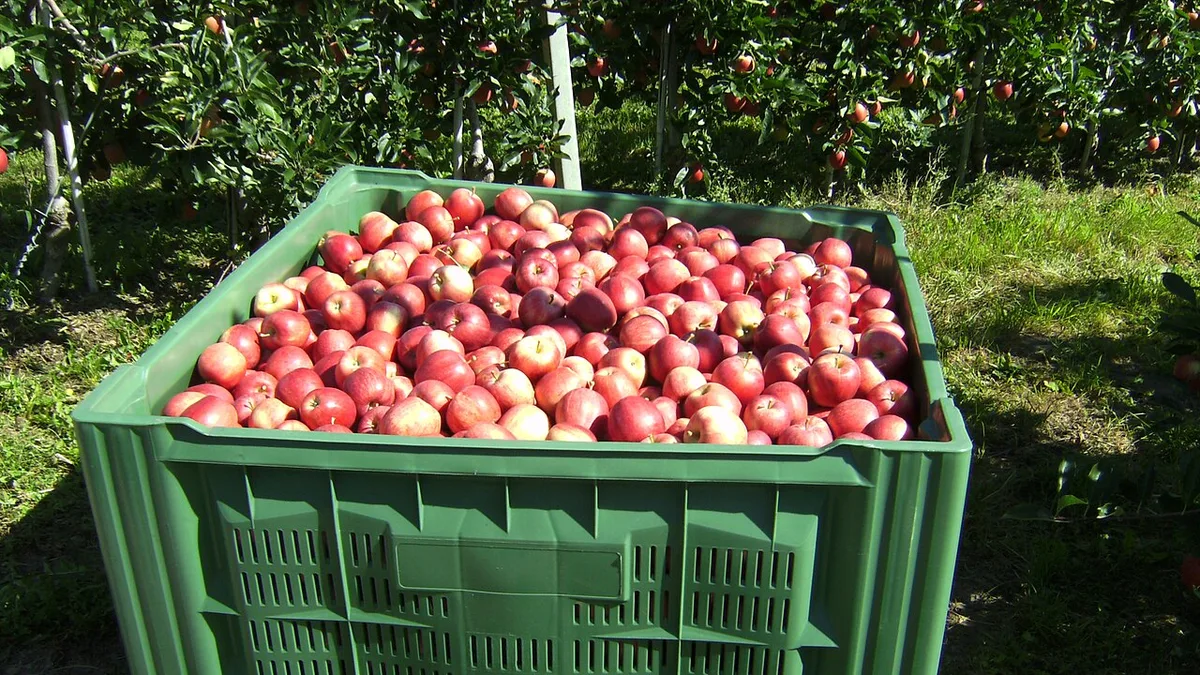
An apple costs 40 to 50 dinars a kilo this year, against 60 to 70 last year, while Polish apples in stores go for 150 to 200 dinars, Nikola Kotarac, director of the “Vocar” farming cooperative in Slankamen, told the Beta news agency. Retired professor of the Faculty of Agriculture in Novi Sad Zoran Keserovic also weighed in, saying it is a bountiful year but still a hard one for fruit growers.
How far have apple prices fallen?
A Polish apple in a store is therefore three to five times more expensive than a kilo of Serbian apples at this year’s price, and Kotarac ties the price drop to imported fruit on the shelves.
“Fifty percent of our cooperative members had irrigation and their apples are good quality, but the markets are full of apples from Poland,” Kotarac said.
The “Vocar” cooperative brings together growers with apple orchards on 600 hectares. Half of them have irrigation, and where there was none, both the apples and the trees dried out. The cooperative has a cold store that currently holds 3,000 tons of apples.
“We have a cold store and it currently holds 3,000 tons of apples, and we will keep them until spring in the hope that the price will rise. Domestic industry buys the second class of this fruit at 11 to 12 dinars a kilo because the base (processed apple) was imported from China,” Kotarac said.
Kotarac added that workers are “expensive and slow” and that some orchard owners will not even pick their apples because it does not pay. Exports to Saudi Arabia are possible, but packaging and transport are costly.
A bigger apple crop and import levies that expire in November
Keserovic estimates this year’s total fruit harvest at about 1.5 million tons, compared with a little over a million tons last year. Last year’s harvest brought in roughly 700 to 800 million euros in foreign currency. Last year there were 330,000 tons of apples, and another 100,000 to 120,000 tons are expected this year, for which, as he puts it, a market still has to be found.
That is why Keserovic is asking for the import levies, which expire in November, to be extended to at least March next year so that domestic apples can be sold. Keserovic says apples are imported from Poland, and that this year apple puree and concentrate were imported from China. By his account, China is the world’s largest producer of the fruit and meets 40 to 60 percent of consumption. The free trade agreement with that country has been in force since July 2024.
Who did best this year, and who did worst?
By Keserovic’s assessment, strawberry growers earned the most, followed by blueberry, cherry, pear and blackberry growers, while the drought hit sour cherries and apples later. Plums were paid 12 to 30 dinars a kilo, sour cherries 30 to 40.
“This year is one of the more bountiful ones in fruit growing, but in its other characteristics it is hard. Processors and distillers did best, because they got raw material for processing at low prices,” Keserovic said.
The drought leaves its mark on next season as well: trees without irrigation will prepare poorly for the coming year because of the lack of moisture, and growers who used shakers for the harvest will fare worst, because their buds were damaged.
Keserovic also spoke about exports. In his view, the decree regulating fruit exports, adopted while Branislav Nedimovic was agriculture minister (from 2016 to 2022), harmed producers. It set strict conditions for exporters, which cut their number, and smaller producers were kept afloat precisely by those who bought their goods for export. He added that this summer one large foreign retail chain in Serbia sold cherries from Germany that had been imported from Greece, and their quality was far worse than that of domestic cherries.