M2S survey: 66% of Serbians save, 16% invest
A nationally representative M2S Research survey finds that 66% of adult Serbians save and 16% invest. The most common form of saving is foreign cash kept at home.
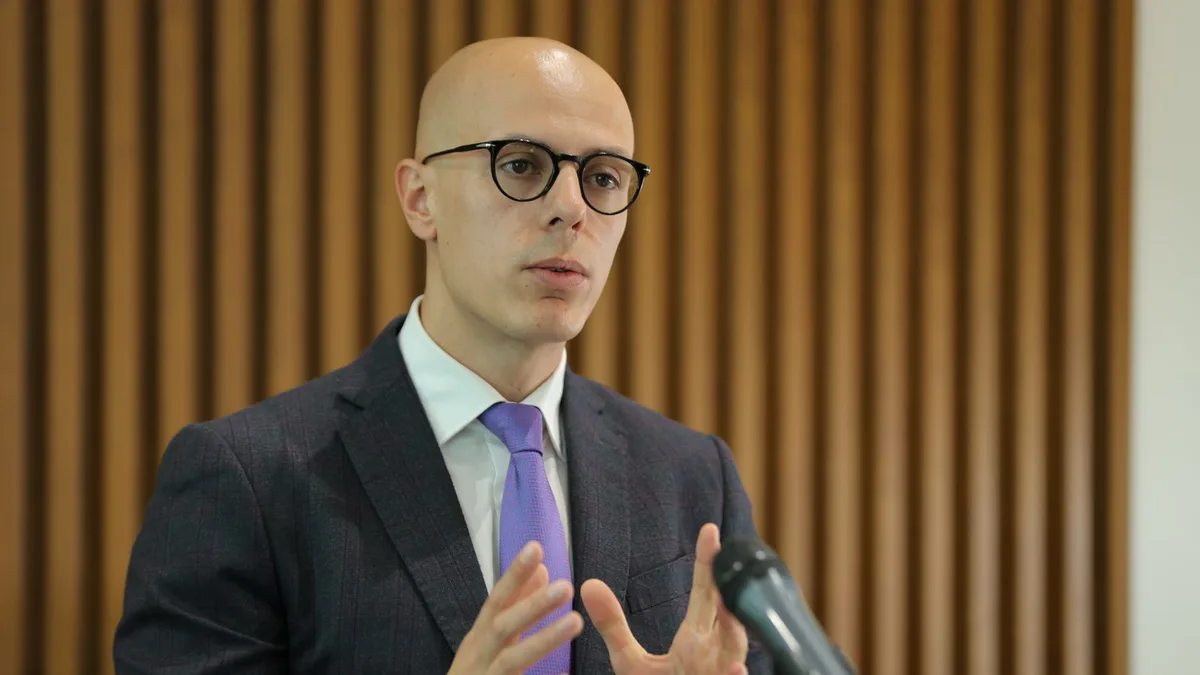
Saving is widespread in Serbia, while investing is only getting started. According to a nationally representative survey by M2S Research, published on October 15, 66% of adult citizens save regularly or occasionally, and only 16% currently invest. Another 14% of those who do not invest today say they plan to start within the next 12 months. The published materials do not name the client who commissioned the survey. The results were commented on by Georgi Hristov, a financial analyst at the company Tavex zlato&srebro.
Roughly one person invests for every four who save. The investment market is young: 56% of current investors began investing within the past five years.
What do people do with the money they save?
The most common form of saving recorded in the survey is not a bank account. 46% of savers keep cash in a foreign currency at home. The base matters here: this is a share of savers, not of all adult citizens, who are the group the 66% refers to.
Banking products are used more often by people with higher incomes and more education, while cash is most common in financially vulnerable groups. Hristov read the result as a need for control over, and easy access to, one’s funds.
How much do people save, and why?
Among savers, 47% set money aside regularly and 40% do so occasionally, when something is left after monthly expenses. 41% of them save up to 10% of their monthly income. Three in four savers (75%) put money aside mainly for unforeseen situations, while younger people more often save for travel, bigger purchases or a home of their own.
Three in four savers also have some regret about their past behavior, and the most common answer is that they should have started earlier. Among investors, about 80% report some kind of regret, and around half say they should have started investing sooner.
Hristov described the main finding this way:
“One of the most striking conclusions of the survey is that people mostly do not save to get rich, but to have protection when something unexpected happens. That is a very important starting point when we talk about financial education and a gradual shift from simply setting money aside to long-term financial planning.”
On the way people save, he said:
“The next step in developing financial culture is not just for more people to start saving or investing. It is important that financial behavior becomes regular, planned and sustainable. Even relatively small amounts, if set aside continuously, can matter more than occasional larger deposits.”
How does inflation affect the safety cushion?
Almost half of respondents are worried about the effect of inflation on the purchasing power and value of their savings and investments. As protection against it, citizens most often see real estate (45%), foreign currency (37%) and investment gold (29%). Financially vulnerable households, the survey says, more often reduce the amounts they set aside, spend existing savings on current needs and postpone less important expenses.
Resilience to a loss of income is uneven. About half of savers and investors have a reserve covering three to twelve months without new income, while around 45% of respondents under 30 have a reserve for two months at most.
Respondents are cautious about risk: 56% of savers and investors choose the safer option with a lower return, and 18% are ready to take more risk for a higher return.
Why is trust decisive when it comes to gold?
Among savers and investors, 49% say they would probably or certainly consider investing in investment gold within the next 12 months. Of existing buyers of investment gold, 71% bought from private individuals and 23% from distribution companies. Hristov ties this to questions of origin, purity, price and buyback:
“With investment gold, trust is of particular importance. A buyer must know what they are buying, what the purity of the product is, where it comes from, at what price it can be sold and whom to turn to when they want to exit the investment. The development of the market must therefore be accompanied by greater transparency and buyer education.”
What do people know about money, and where do they get information?
About 30% of respondents understand basic concepts such as diversification and compound interest, and 52% of citizens in the relevant target group want to improve their knowledge of managing money. As sources of information about money, saving and investing, respondents name:
- internet search engines, about 35%
- friends, family and colleagues, about 31%
- bank employees, about 25%
- bank websites and platforms, about 20%
- social networks, about 19%
Hristov called the interest in learning one of the most positive signals in the survey:
“The desire for additional knowledge is one of the most positive signals of the survey. People want to better understand how their money works.”