Serbia's power imports worth about 3 million euros a day
Energy expert Zeljko Markovic estimates power imports at market prices cost 90 to 100 million euros a month, and EPS pumps water at night in Bajina Basta.
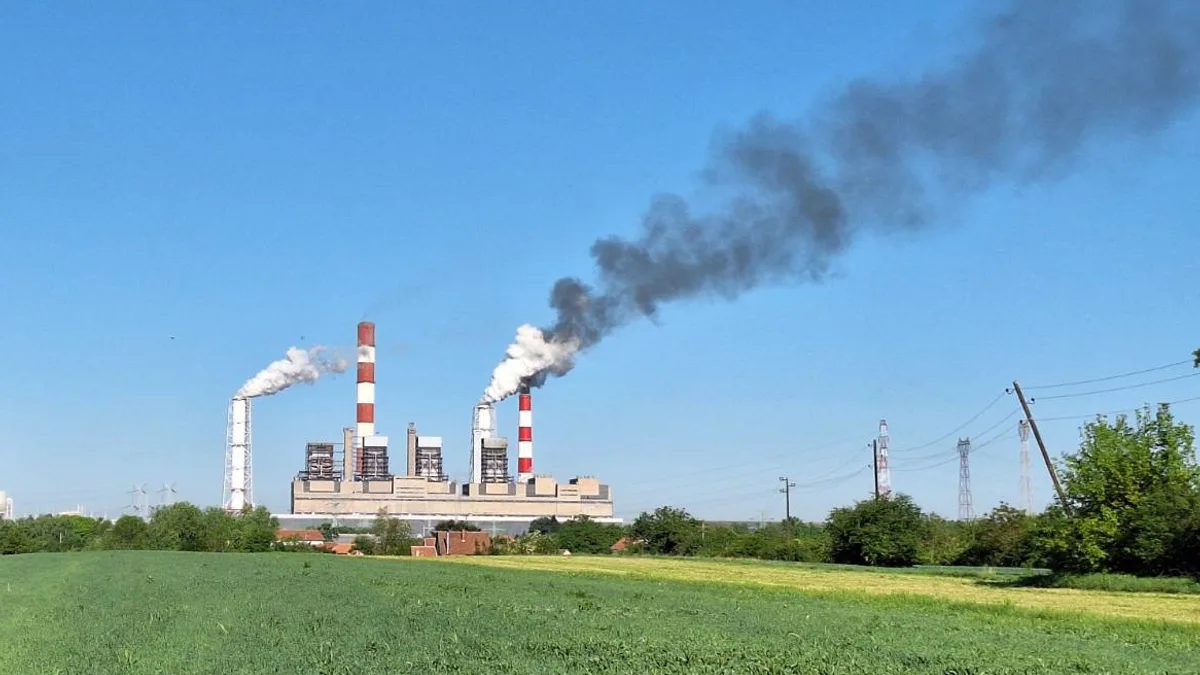
Serbia’s power imports are worth about three million euros a day at market prices, or 90 to 100 million euros a month, according to energy expert and consultant Zeljko Markovic, speaking to Nova Ekonomija. The estimate was published on October 23, at the start of the heating season, and by Markovic’s account imports cover about 40 percent of consumption.
What is behind the figure of three million euros a day?
Markovic stresses that the number reflects market prices, not the actual bill of Elektroprivreda Srbije (EPS). Part of the electricity, he says, was probably bought at prices and volumes contracted earlier:
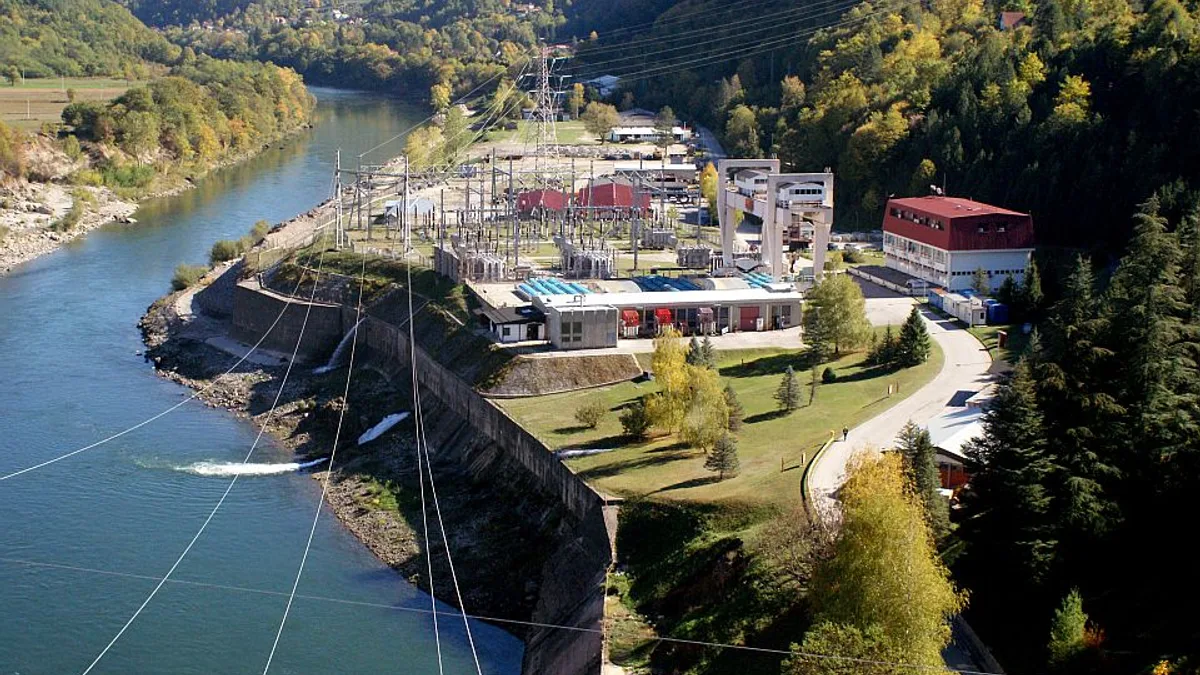
Electricity prices are high again and go up to 350 euros in the more expensive time slots, while EPS, I am sure, is trying to buy at the cheaper tariff of 150 euros, where it is now, so it can “pump” it (with smaller losses) at night in the reversible power plant in Bajina Basta and use the electricity later. Although EPS probably does not buy all its electricity on the open market, but also at previously contracted prices and volumes, at market prices our electricity imports are worth about three million euros a day, or 90 to 100 million euros a month
The share of imports should be read as Markovic’s assessment of the current situation, not as an annual average. The gap between the pricier slots at 350 euros and the cheaper tariff of about 150 euros per megawatt-hour shows why the timing of purchases matters so much.
How long has Serbia been importing power?
After a brief burst of exports in 2023, when the hydrological year was good, Serbia has been importing more and more electricity. Data from the Energyflux portal, run by Elektromreze Srbije, show that EPS has imported almost without interruption this year, with only a little exporting in February and March.
Markovic blames a shortfall in domestic generation. Hydropower plants are not delivering enough because of the prolonged drought, empty reservoirs and the low Danube water level, and coal-fired plants cannot cover consumption on their own. Investments in renewables and new hydropower plants have not been completed.
Coal is a special case. According to the latest data from the Statistical Office of the Republic of Serbia, the country still imports coal, but more slowly than last year. Jelica Putnikovic, editor of the Energija Balkana portal, told Nova Ekonomija that transport is struggling:
Coal is being imported, but its transport is difficult because the Danube water level is extremely low, so barges cannot be loaded to full capacity. Still, there are steady reserves of coal at the stockpiles.
Why does EPS pump water at night in Bajina Basta?
Putnikovic describes the principle: EPS buys electricity when its market price drops and uses it to pump water into the reservoir of the reversible hydropower plant, so it has energy at a better price in the hours of higher consumption. Markovic says this is how reservoirs are replenished and the system is balanced during periods of lower consumption. His claim that EPS buys cheaper electricity specifically for pumping is an assumption, not a figure the company has confirmed.
What is expected from the winter?
Putnikovic spoke about gas on RTS’s Morning Program on October 23: Serbia has a contract for Russian gas until the end of the year at a more favorable price, and its storage facilities are full.
Well, we also have a favorable gas price, we get it through the pipeline and we have full storage, which is very important
She named Azerbaijan and the gas pipeline to North Macedonia, whose construction has begun, as alternative supply routes. She told Nova Ekonomija she does not expect power cuts:
I do not expect power cuts like those in the 1990s during the economic sanctions, as some have claimed in public.
That rules out only cuts like the ones from the nineties, not every form of restriction.
Where does the Bistrica reversible hydropower plant fit in?
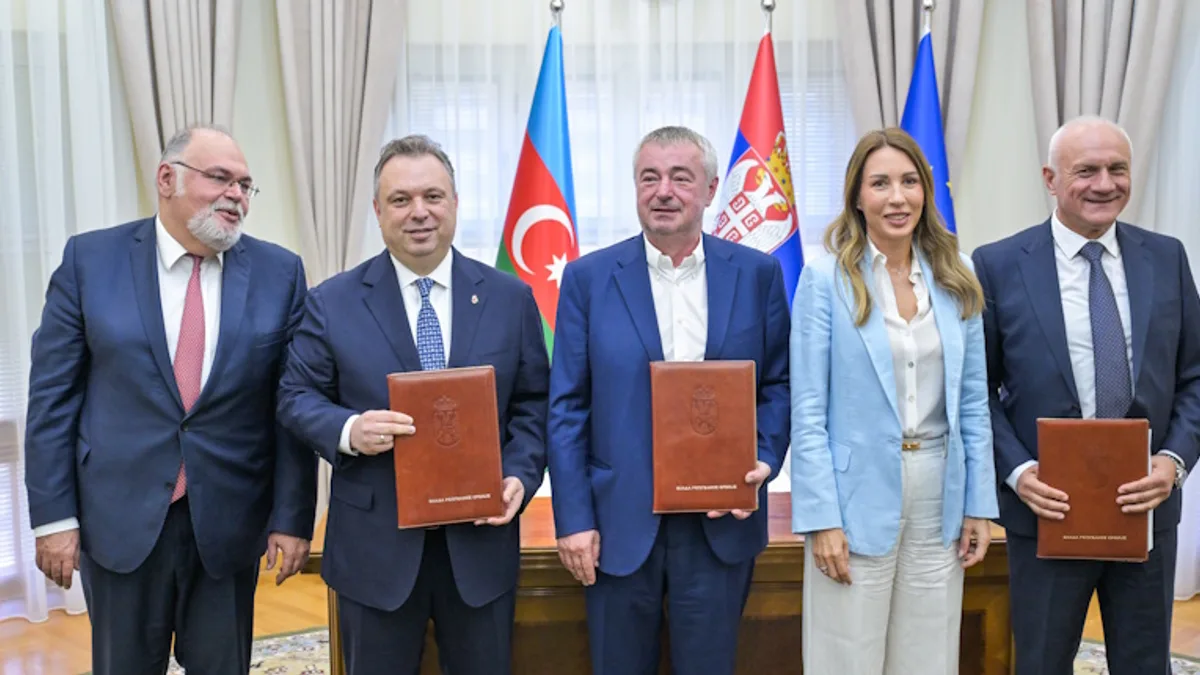
Putnikovic points to the importance of new capacity, such as RHE Bistrica. The Ministry of Mining and Energy said on October 22 that caretaker minister Dubravka Djedovic Handanovic discussed the project with Tanaka Kotar, director general of the Japan International Cooperation Agency (JICA) for the Middle East and Europe. The minister said:
RHE Bistrica is the most important project in the Serbian energy sector
According to the statement, technical teams have visited the site six times, and the environmental and social impact assessment study should be submitted to JICA in December. EPS has begun expropriating land, and signing of the loan agreement is planned for mid-2027, during EXPO 2027. Results of laboratory soil tests, which matter for the dam design, are expected in a few weeks.
The project was formally launched in 2007, and completion is planned for 2032.