Aster Textile to close Nis plant, 396 workers lose jobs
The company told Juzne vesti it will end production in Serbia by the end of 2026. The December 15 date and the 396 figure come from Miodrag Stankovic; the company gave no number.
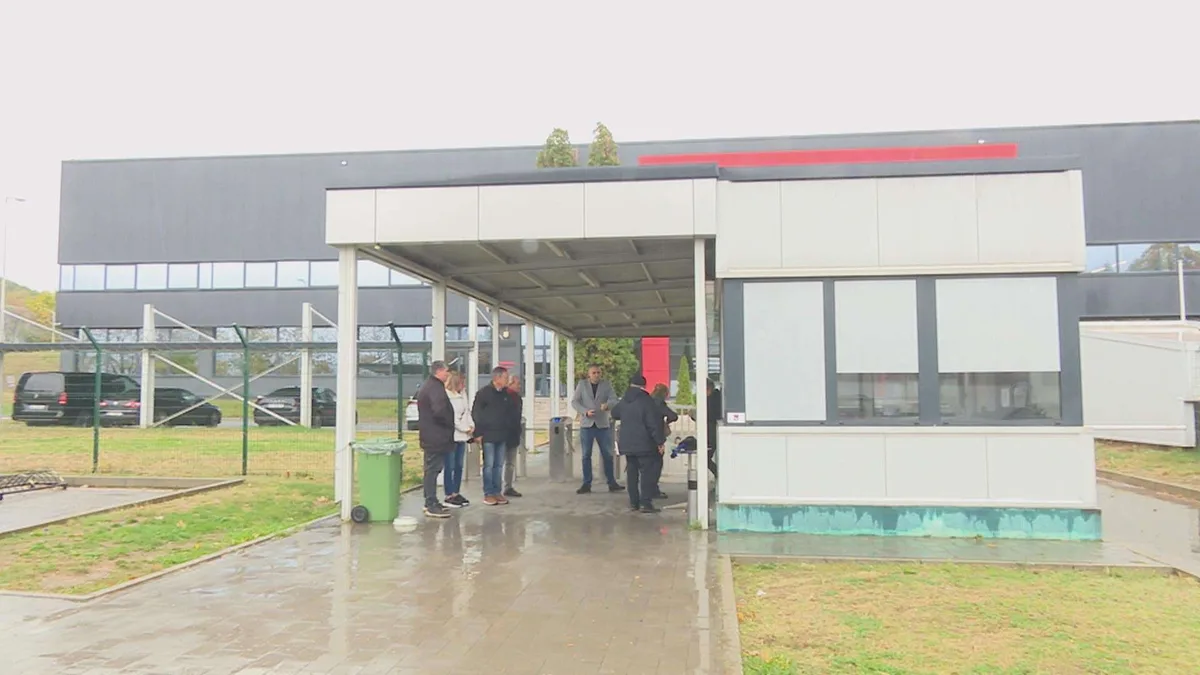
Aster Textile confirmed to Juzne vesti on November 3 that it will stop producing in Serbia by the end of 2026. Miodrag Stankovic, co-chair of the citizens’ group “Nis, My City,” says the closure of the Nis plant on December 15 will leave 396 workers without jobs.
What the company confirmed and what Stankovic said
The two sources are not describing the same thing. The company confirmed to Juzne vesti that it will end production activities in Serbia by the end of 2026, with output moving to Aster group plants outside the country. It gave no date, and when asked how many employees will lose their jobs, it did not answer with a number.
The December 15 date and the figure of 396 workers come from Stankovic, founder of the Movement of Southern Serbia (Pokret juga Srbije), who said employees were told the plant would close that day. The figure was carried by other media through the Beta agency. Juzne vesti note in their own report that, according to the latest available information, Aster employed 460 people in Nis.
Why the company is stopping production
Aster says the decision followed an analysis of its business and that over recent months it considered several options, including a change of production program, but found no sustainable solution. The company’s explanation reads:
This decision was made after a detailed analysis of the company’s operations and the possibility of sustainable continuation of production. For some time we have been facing rising production and operating costs, as well as a drop in order volume caused by reduced activity in the retail sector, as a result of which the current volume of production is no longer sufficient to cover costs and ensure economically sustainable operations.
The company also answered the question about workers’ rights. The process, it says, will be carried out in line with Serbian regulations, and on payouts it states the following:
All employees whose employment ends will receive their full severance pay, as well as all earned wages and other benefits in accordance with the law.
What the plant cost and what was promised in 2016
A Turkish investor opened the factory in 2016. Building it cost 9 million euros (about 1.05 billion RSD at roughly 117.2 dinars to the euro), and the Serbian government contributed almost 2 million euros in subsidies (about 230 million RSD), roughly 22% of the amount invested. At the opening, it was announced that the factory would employ 2,000 people. With 396 workers, as Stankovic says, that is about 20% of the announced number, and even the 460 employees cited by Juzne vesti remain far below that figure.
What Stankovic is asking for, and the employment data for the southeast
Stankovic tied the closure to the wider situation in the region:
This is no longer a question about one factory, but about the future of Nis and the whole of southern Serbia.
According to his figures, employment in southeastern Serbia fell from 392,633 in the second quarter of 2024 to 379,195 in the second quarter of 2026, a drop of more than 13,000, or about 3.4%. He named Benetton, Leoni, Jura, Sinvon and Johnson Electric as factories that had already closed in Nis.
From the City of Nis, Stankovic is asking for an urgent crisis team formed with the National Employment Service and local business owners, a local retraining fund, free additional-qualification programs and a one-off payment for workers until they find new jobs. He also wants contracts made public:
The city should immediately publish all contracts and obligations that companies have taken on toward the state and the city, so that citizens can finally see where and how their money was spent.
From the next Serbian government he asks for an emergency social fund, payment of back wages, linking of work service and fair severance pay. The media reports on this case contain no response from the City of Nis to these demands.
What Aleksandar Vucic said earlier
Aleksandar Vucic, speaking on the show “Hit Tvit,” warned of a possible closure of the steelworks in Smederevo, Aster Textile and Eurotaj, adding that a new government would have to turn urgently to preserving jobs and to talks with investors.
Milorad Filipovic, a professor at the Faculty of Economics in Belgrade, says foreign manufacturers began leaving Serbia long before a new government was formed. He argues that the comparative advantage of cheap labor, energy and subsidies has moved elsewhere: in his words, other destinations, among them Moldova and Kazakhstan, have become more popular.