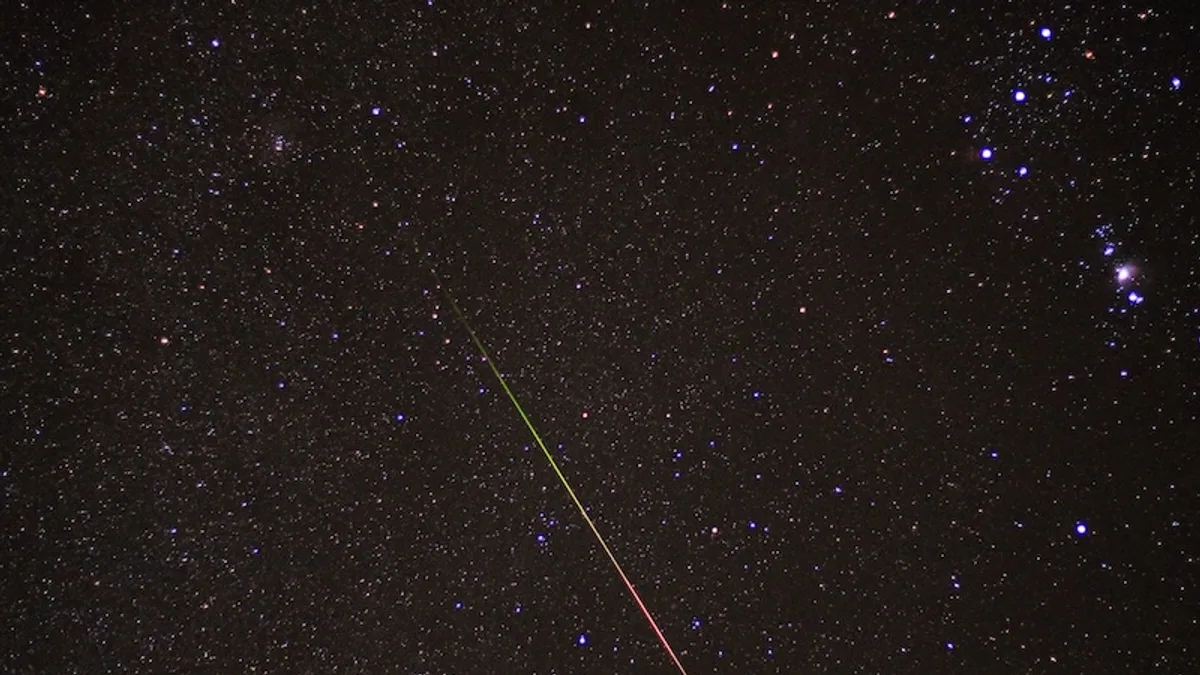
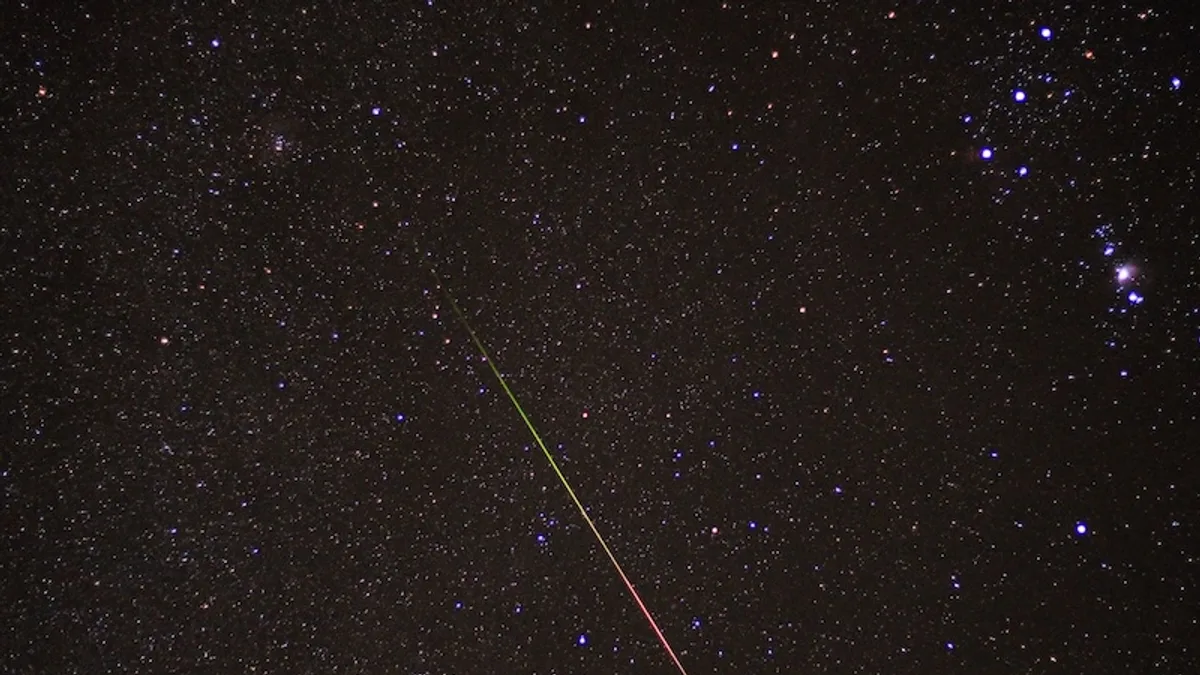
Delta Aquarids Begin: Meteor Shower Is Best Seen Before Dawn
The Delta Aquarid meteor shower becomes active this weekend and runs through August 21. The best conditions come after midnight, far from city lights, while a full Moon spoils the late-July peak.

- The Delta Aquarid meteor shower is active from July 18 to August 21, and it becomes visible this very weekend.
- The maximum is expected around July 30, but the shower has no sharp peak, so meteors appear over several nights.
- A full Moon on July 29 will brighten the sky and interfere with viewing the maximum.
- The strongest shower of the year, the Perseids, peaks on August 12 and 13 under favorable conditions.
The Delta Aquarid meteor shower enters its active phase this weekend and will remain on the night sky all the way through August 21. It is a shower of moderate strength but with a long window of activity, which gives observers more chances than short, more intense showers usually allow. The radiant, the point from which the meteors appear to fly out, sits in the constellation Aquarius, from which the shower takes its name.
Unlike showers with a sharp, clearly defined peak, the Delta Aquarids behave more gently. The maximum is expected around July 30, but the number of meteors neither surges on that date nor drops off right after it. In practice, that means there is no single night you have to get right. Several nights around the end of July and the start of August will offer a similar view, provided the sky is clear and dark.
The main obstacle this season is not cloud cover but the Moon. The full Moon, known in the traditional calendar as the Buck Moon, falls on July 29, and its light will flood the sky just as the shower should be at its most active. The fainter meteors, which the Delta Aquarids produce in the greatest numbers, simply wash out in that light. That leaves anyone hoping to catch the maximum with a difficult task.
When and where is the best time to watch?
The most favorable window is after midnight, and especially in the hours before dawn, when the radiant climbs high enough above the horizon. That is also when the background sky is calmest. The key condition is distance from city lights. The light pollution of large cities erases most of the show, so a trip out to a village, a hilltop or any spot without street lamps is all but essential.
No equipment is needed. Meteors are watched with the naked eye, because they appear at random across the whole sky rather than only near the radiant. Binoculars or a telescope would only get in the way here, since they narrow the field of view. It is enough to lie back, wait for your eyes to adjust to the dark, which takes about twenty minutes, and patiently scan as much of the sky as possible. Alongside the meteors, the summer sky also offers bright planets, easily spotted without any equipment at all.
What comes after the Delta Aquarids?
The biggest event of the season is still ahead. The Perseids, the strongest and most popular shower of the year, reach their peak on the night of August 12 to 13. Unlike this year’s Delta Aquarids, the Perseids will not be spoiled by strong moonlight, so far more favorable viewing conditions are expected. On good nights that shower delivers several dozen meteors an hour.
The Delta Aquarids and the Perseids overlap in time, so at the end of July and the start of August two showers work the sky at once. Because of that, a meteor you spot may not belong to the shower you are expecting. Astronomers tell them apart by the direction the meteor comes from, but for someone watching for pleasure that difference hardly matters. The sight is the same.
It is also worth remembering that the figures quoted for meteor showers are ideal values, measured under a perfect, fully dark sky. In real conditions, with even a little light pollution or moonlight, that number is noticeably lower. This year’s Delta Aquarids, with a full Moon at the time of maximum, are a good reminder that the naked-eye sky depends on conditions just as much as on the shower itself. So, will you head out of the city this summer to catch at least one meteor?