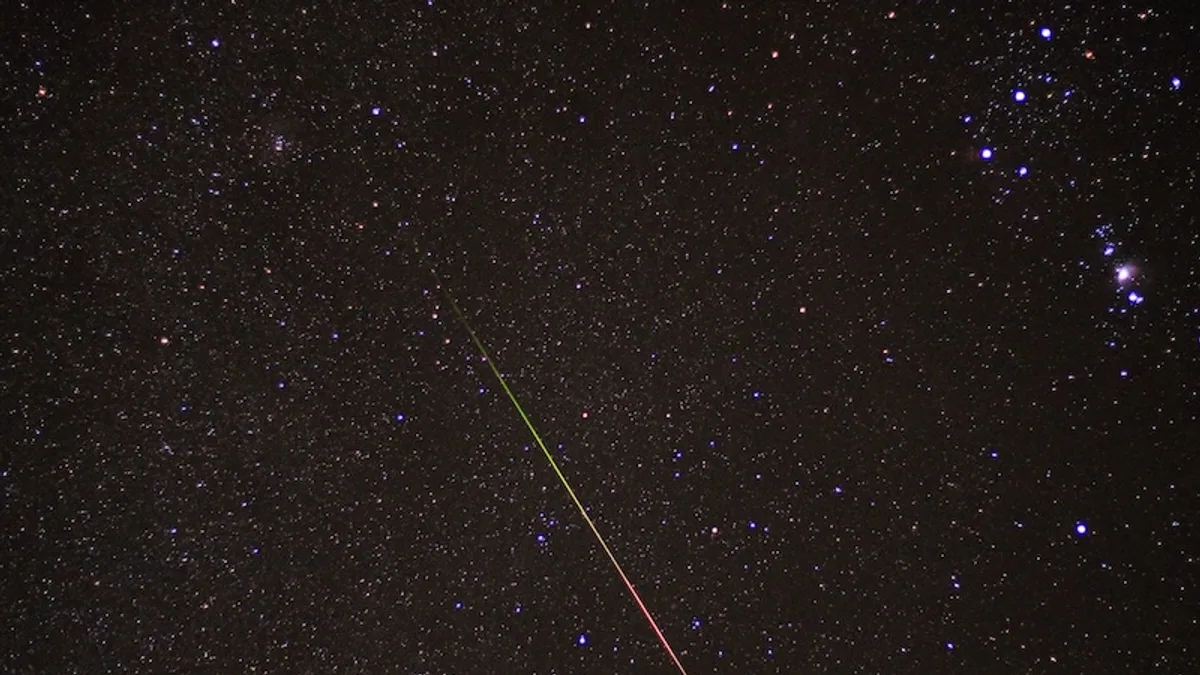
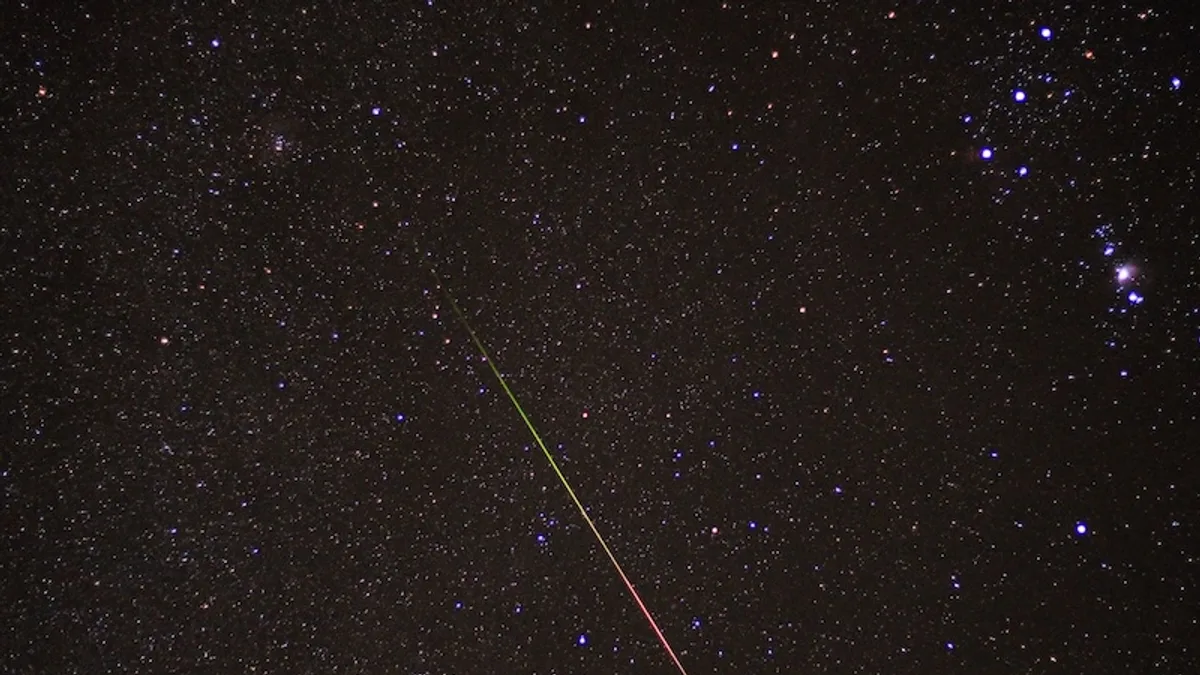
Perseids Ahead: The Sky Enters Its Richest Period
The shooting star season is heating up. The Perseids, the strongest meteor shower of 2026, build toward their mid-August peak, and the late-July sky is already glowing. Here is how to watch with the naked eye.

- The Perseids, the strongest meteor shower of 2026, peak on the night of August 12 to 13, with about 100 meteors an hour under ideal conditions.
- The Delta Aquariids and Alpha Capricornids are also active in late July, together up to 30 meteors an hour, but the full moon on July 29 will wash out all but the brightest.
- You need no telescope, just a spot away from city lights and a clear sky.
- Saturn and Mars remain visible in the morning sky.
Do you need expensive gear to catch a shooting star? You do not. The finest meteor showers of the year are watched with the naked eye, and all you truly need is a dark sky and a little patience. The summer of 2026 is entering its richest stretch for skywatchers, so this is the moment to plan a night out.
Late July brings the first previews. Two smaller showers, the southern Delta Aquariids and the Alpha Capricornids, are active these days and together deliver up to 30 meteors an hour. That sounds lovely, but there is a catch. The full moon on July 29 in the constellation Aquarius will light up the sky so strongly that only the brightest streaks will show through. So treat this stretch as a warm-up, not the main event.
Why are the Perseids the most anticipated?
The Perseids are the star of the season, in every sense. This meteor shower peaks on the night of August 12 to 13, when under ideal conditions on a dark sky you can see up to 100 meteors an hour. That is more than one flash a minute, enough to keep a whole group of friends watching and wishing.
The secret is darkness. The farther you are from city lights, the more you see. The glow from Belgrade, Novi Sad or any larger city swallows the fainter meteors, just as moonlight does. That is why our recommendation is to plan an evening out of town around the peak, on a hilltop, a meadow or a mountain where the horizon is not blocked.
The good news is that none of this calls for any equipment. A telescope actually gets in the way here, because it narrows your field of view, while meteors can shoot across any part of the sky. Let your eyes adjust to the dark, which takes at least twenty minutes, and look as wide as you can.
How do you prepare step by step?
Before you set out, it pays to pack a few small things that make the night more comfortable and more rewarding.
First, bring something to lie on. A lounger, a sleeping mat or a plain blanket changes the experience entirely, because your neck tires fast if you keep staring straight up. Second, dress warmer than you think you need to. It may be summer, but nights out in the open and up high can turn chilly. Third, keep the phone in your pocket. Every glance at a screen resets your night vision and sends you back to the start.
If you want planets along with the meteors, get up early. Saturn and Mars are still visible in the morning sky. A practical tip from experience, a planet is easiest to spot when it sits at least ten degrees above the horizon, high enough to clear the haze and the rooftops. Ten degrees is roughly the width of your fist held out toward the sky.
And finally, do not chase perfection. A clear sky and patience are the only conditions that really have to line up. If the first few minutes bring nothing, wait, your eyes are working in the background, and the finest streaks usually arrive when you least expect them.
Where will you watch the Perseids this August, from the backyard or are you planning an escape to the mountains?