Solar storm: London-New York flight got 46% more radiation
University of Surrey researchers combined ground, airliner and balloon measurements for the first time during the strongest ground-level radiation surge in almost 20 years.
A flight from London to New York that took off during a solar radiation storm received 46 percent more radiation than it would under normal conditions. The figure comes from a study by the University of Surrey, published in the journal Space Weather, which for the first time combined measurements from the ground, from passenger aircraft and from weather balloons during a single event.
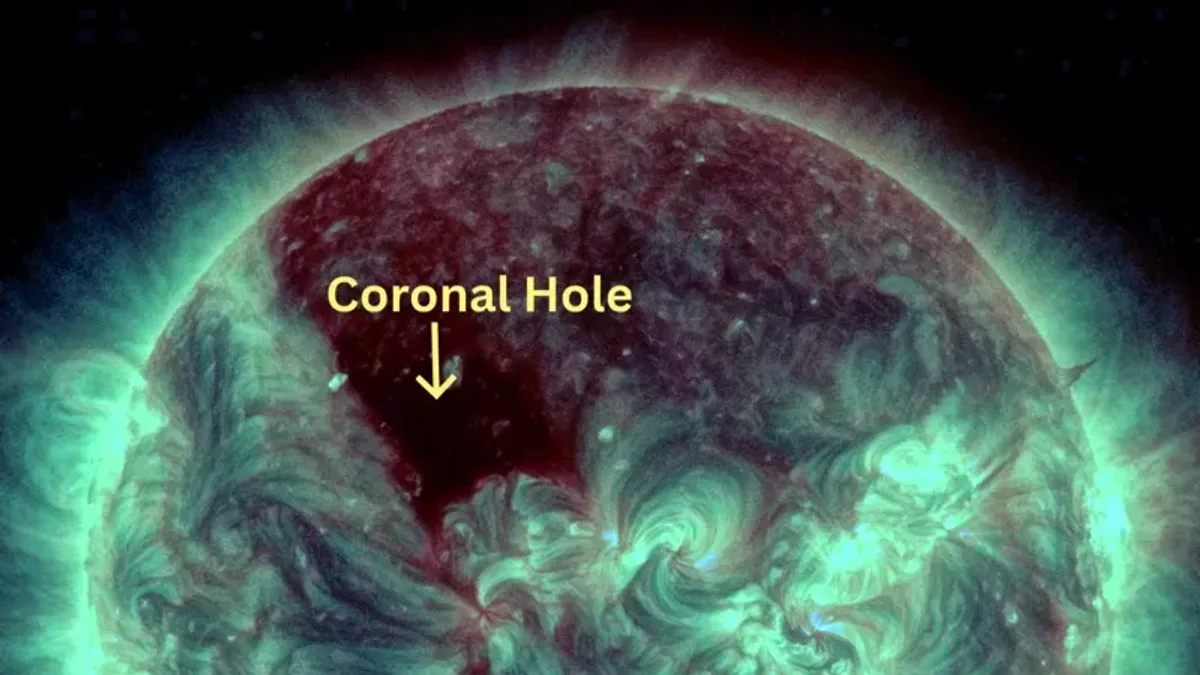
The storm struck on November 11, 2025, when a rare X5-class solar flare caused the largest ground-level radiation increase observed in almost 20 years. The technical term for such an event is a Ground Level Enhancement (GLE), and this one is designated GLE 77. It describes a burst of particles from the Sun energetic enough to pass through the atmosphere and reach the ground.
How were the measurements collected?
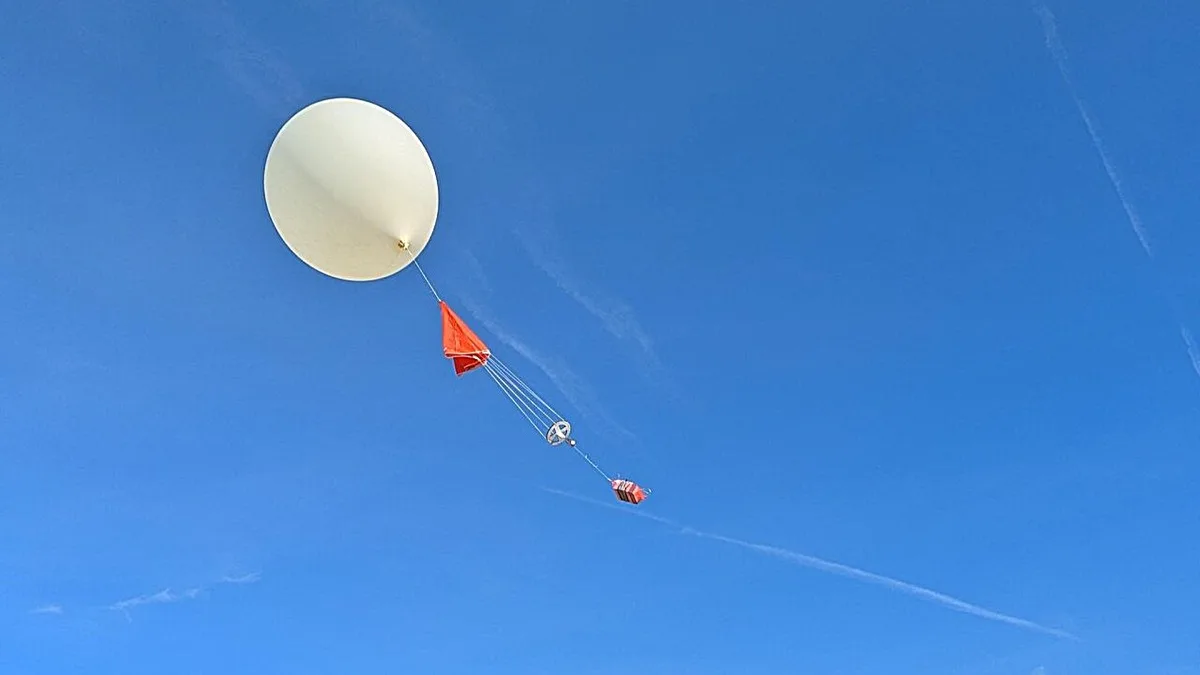
The researchers combined three kinds of data. The first came from neutron monitors on the ground across the United Kingdom, the second from detectors on transatlantic passenger flights (SAIRA monitors), and the third from radiation monitors carried by weather balloons launched from the UK and the Netherlands.
The collaboration included the Met Office, the UK’s national weather service, and the Royal Netherlands Meteorological Institute (KNMI), both partners in the balloon launches, along with Lancaster University and other international partners. The paper is titled Observations of Atmospheric Radiation Increases During GLE 77 From New Airborne and Ground Level Instruments, and its lead author is Dr. Fraser Baird of the Surrey Space Centre at the University of Surrey.
According to the university’s statement, this was the first time the UK tracked a major solar radiation storm with a network of neutron monitors stretching from Cornwall to Shetland. Ten years ago, the researchers note, the country had no such operational sensors.
What did the balloons, aircraft and ground monitors show?
Radiation levels over the UK varied considerably with location and altitude. Balloons released from the Met Office station in Lerwick, Shetland, measured radiation above the “moderate hazard” threshold of the International Civil Aviation Organization (ICAO) several hours after the storm peaked. That measurement was taken at the altitudes flown by business jets, which are higher than those of scheduled airliners. At even greater altitudes, associated with supersonic flight, readings crossed the ICAO “severe hazard” threshold.
Baird described how the day unfolded:
“I’ve been studying events like this for years, so when the first alerts came in, I assumed it was just another small spike. But when I logged on to the data feed and saw what was happening over Lerwick, I genuinely couldn’t believe it. The first balloon launch from Lerwick recorded unusually intense radiation high in the atmosphere. It shows how geographically variable these events can be and why having coordinated monitoring systems in place is so important for better understanding radiation risks for aviation.”
Ben Clewer, a space weather model developer, described how the event looked from the team’s perspective:
“For me, the most exciting moment was watching the event unfold in real time. Alerts started coming in from neutron monitors around the world that something unusual might be happening, and within minutes balloon launches were under way. We then followed the measurements arriving live from balloons, aircraft and ground sensors as the storm developed. Having all of these systems working together during the largest ground-level radiation increase in almost 20 years gave us an incredibly rare dataset and the most complete picture of such an event we’ve ever had.”
Why combine models with measurements?
Current international warning systems for aviation rely mainly on models fed by data from the ground and from space. The study argues that these should be supplemented with direct measurements in the atmosphere. The risk is greatest on flights over high latitudes, and the authors say the findings could help improve radiation monitoring, because airlines increasingly depend on sensitive electronic systems and more flights are using such routes.
Krista Hammond, space weather lead at the Met Office, assessed the value of the data collected:
“The data received during this event, both from ground-based monitors and from the balloon launches, is vital to our understanding of how space weather affects radiation levels throughout the Earth’s atmosphere. This is the first time radiation data has been collected through the atmosphere during a space weather event in this way, and it represents a major step forward in scientific understanding that will make a real difference to our ability to forecast space weather.”
What the study does not show
The 46 percent figure applies to one flight that took off during the storm, and it is compared with normal background radiation. It says nothing about how much radiation other flights received that day. The university’s statement also offers no estimate of health effects for passengers and crew, so none can be drawn from these data.
The exceeded thresholds were measured by balloons at specific altitudes and at one location, over Shetland, and the researchers themselves stress that such events vary greatly from place to place. This was also a single storm. The study does not claim that existing models are wrong, only that they lack direct measurements as a complement.