Parliament takes up amendments to four electoral laws
The agenda covers changes to the laws on presidential, parliamentary and local elections; some 160 amendments have been tabled; the opposition wants deeper reforms.

The National Assembly of the Republic of Serbia resumed its third regular session on 13 May with four agenda items covering changes to the electoral laws, tabled by SNS MP Miroslav Petrasinovic. Around 160 amendments have been submitted, which has pushed the debate into a second week, the Tanjug agency reports.
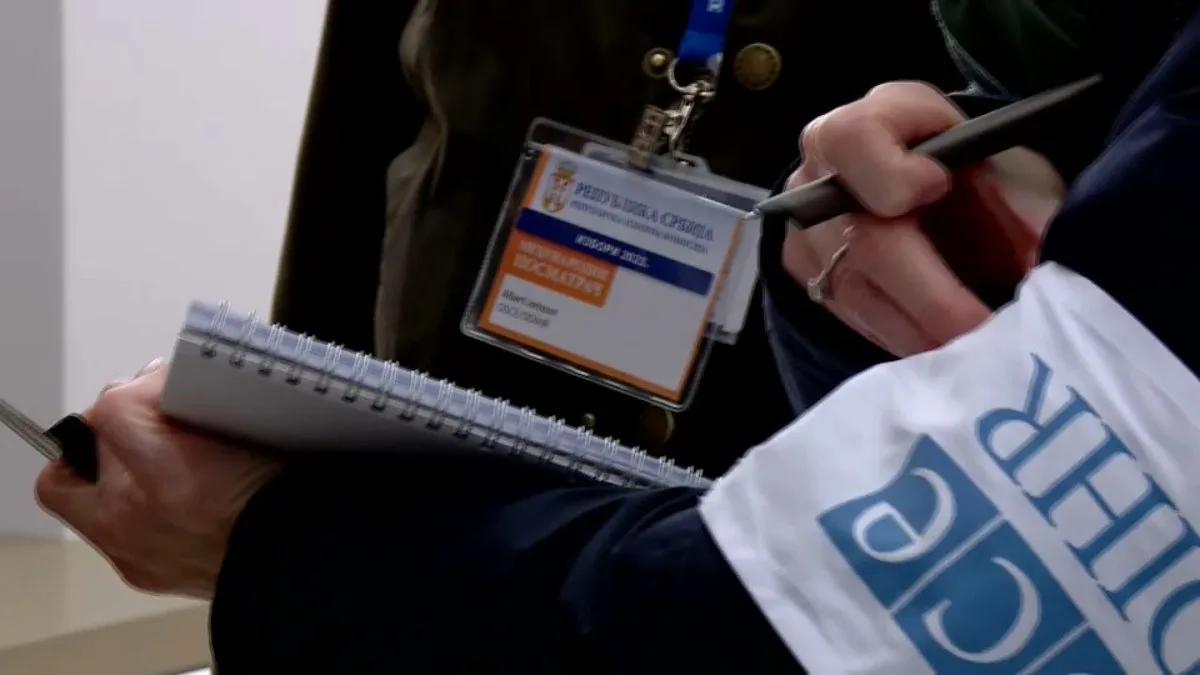
The package covers amendments to the Law on the Election of the President of the Republic, the Law on the Election of Members of Parliament, the Law on Local Elections and the Law on the Constitutional Court, according to the agenda published on the National Assembly’s website. The bulk of the amendments, according to the sponsor’s explanatory memorandum, aims to align with the recommendations of ODIHR, the OSCE Office for Democratic Institutions and Human Rights, which issued a series of findings on Serbian polling conditions after the 2023 parliamentary elections.
The specific changes include, among other things, clearer procedures for the work of polling boards, additional training for board members and a stricter regime on the misuse of public resources during the campaign. From the sponsoring side, Petrasinovic noted that in 2008 ODIHR had recommended the introduction of a single voter register, which SNS implemented in a later term, while the current recommendations, “technical rather than systemic in nature”, are being given legal form through these amendments.
What does the opposition want, and what is the ruling coalition offering?
From the opposition benches, Branimir Jovanovic of the Alliance for Serbia’s Victory judged that the proposed changes “will not bring substantive reform” and that without separating the elections, control over the Republic Electoral Commission and transparent campaign financing, the result remains formal. Petar Mitrovic of the Democratic Party echoed the same caution, noting that the opposition has tabled a series of amendments on balanced media coverage and sanctions for pressure on public-sector employees.
In the debate, the sponsor Petrasinovic said he considers some of the opposition amendments constructive and that the ruling coalition could back the thirty or so dealing with polling-board procedures and voter records. From the SNS ranks, Marko Atlagic judged that the package “meets practically all the technical recommendations of ODIHR”, while Vladimir Djukanovic took the view that the opposition’s structural objections are “an electoral pose, not an expert assessment”.
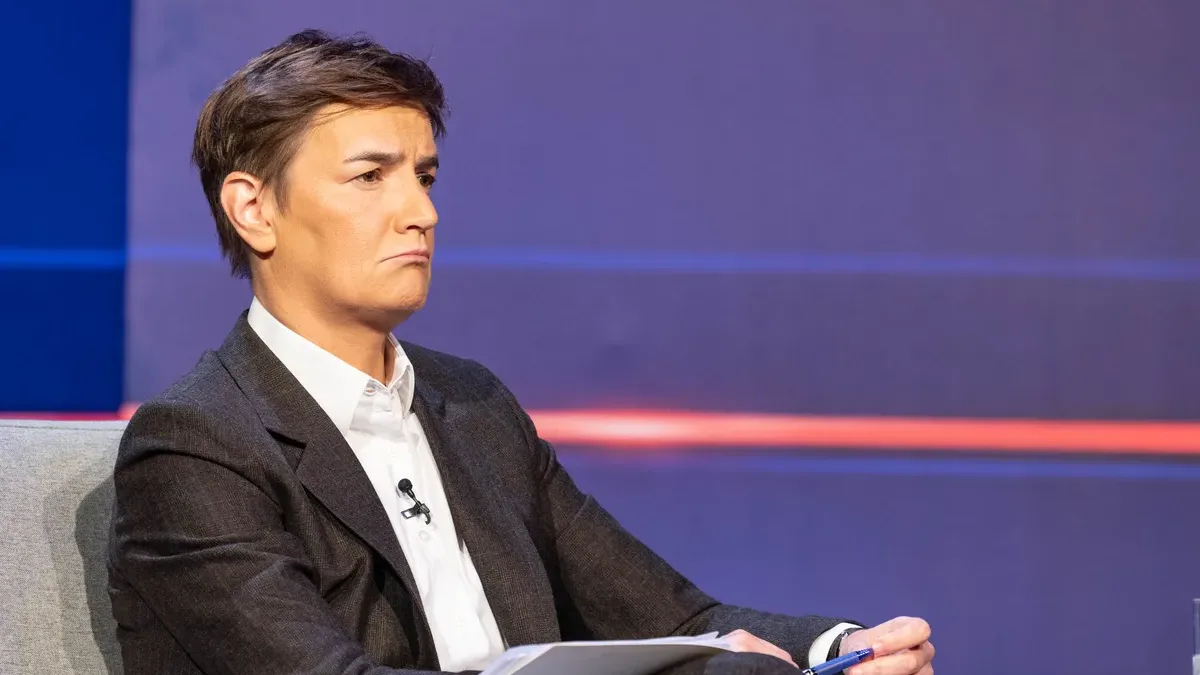
The debate continues on 14 May at ten o’clock in the morning, Speaker Ana Brnabic said. The Committee on Constitutional Affairs and Legislation is scheduled to meet the same day to process the tabled amendments under urgent procedure. A vote on the bills, the speaker’s office said, is expected next week.
Technically, the package matters because the snap parliamentary elections announced for the autumn of 2026 would be held under it. Politically, it raises the question of whether the opposition parties, which are simultaneously taking part in the street protests and the parliamentary procedure, can shape the rules under which they will compete. From what we understand, some members of the opposition groups are considering walking out of the debate as a form of pressure, but the final decision will be taken by the party leaderships before the vote.
From the independent institutions, Centre for Research, Transparency and Accountability programme director Rasa Nedeljkov told N1 that the package “covers the technical aspects of voting but does not touch the structural problems around the media and pressure on public-sector employees”. A similar assessment came from Bojan Klacar of the Centre for Free Elections and Democracy, who added that genuine reform of the electoral process would also require amending the law on political-activity financing, which is not on this agenda. From the ruling party side, Petrasinovic rejected such objections, saying this is “the first step towards full implementation of the recommendations” and announcing a further package of laws for the autumn cycle.
The next date worth tracking is 20 May, when the vote on the amendments to the Law on the Election of Members of Parliament is expected, providing the first concrete test of parliamentary support for the package.