Macut Urges Power Savings, Emergency Meeting Monday
Serbia's government called on citizens to cut electricity use as the Danube drops sharply and a heatwave strains the grid. The staff meets Monday.

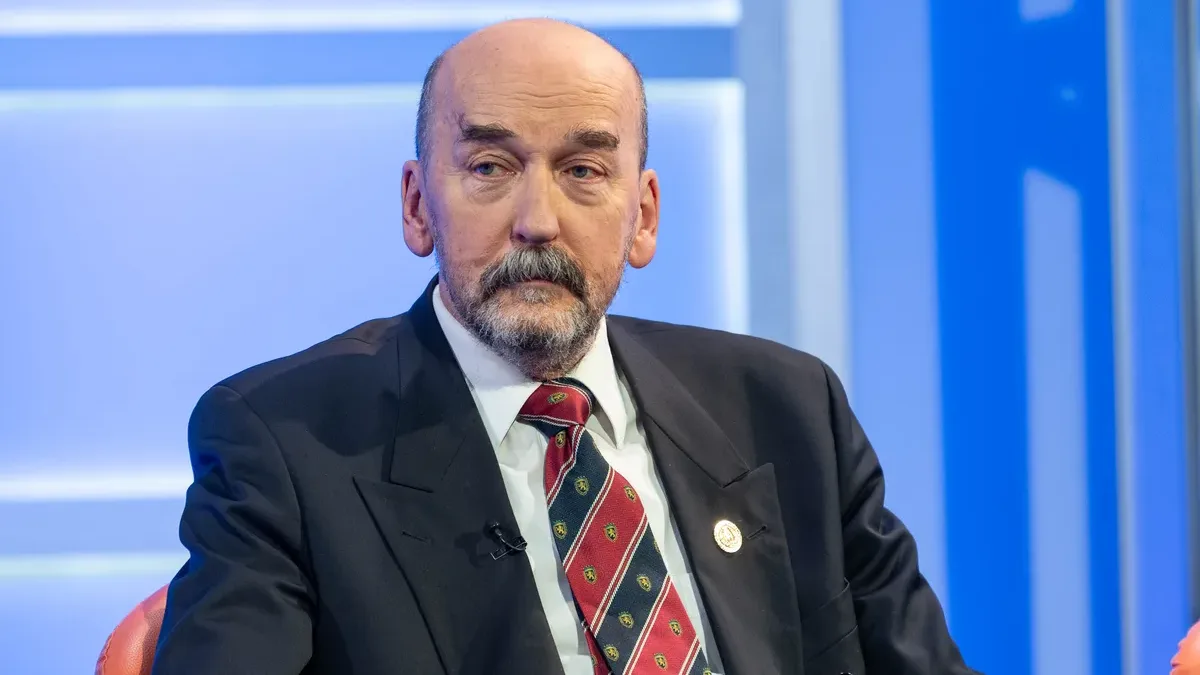
Serbian Prime Minister Djuro Macut has called on citizens to save electricity and summoned an emergency session of the Republic Staff for Emergency Situations for Monday morning. The call went out Sunday afternoon in a government statement, which cited the Danube’s exceptionally low water level and high temperatures that are putting extra strain on the power system.
The prime minister’s assessment in the statement was brief: “The situation in the energy sector is serious and demanding.”
The government says the state and relevant institutions are taking all necessary steps to keep the system stable and ensure a steady supply for citizens and businesses, and that the situation is being monitored hour by hour. No figures were released, not the water level, not output, not consumption during peak hours.
What is actually being asked of households
The appeal is narrower than it first sounds. Macut asked citizens to cut back on air conditioners and other major power draws, specifically during the hours of heaviest demand. This is not a call to save electricity around the clock, but to shift consumption away from the hours when the grid is under the most strain.
What that means in practice, the government did not specify. Concrete measures, according to the statement, will only be announced after the staff meeting. Until Monday, it remains a request, not an obligation.
Why the Danube became an energy question
The prime minister answered that on July 30, at the previous staff session, which was devoted to the drought. Speaking to RTS at the time, he directly linked the low water level to the operation of the hydropower plants at Djerdap.
“At the meeting, we will see what needs to be done, because our crops are under threat, so to speak, and so is the stability of the Djerdap hydropower system.”
A river carrying less water also generates less power. When that kind of water level coincides with a prolonged heatwave, two pressures hit the grid at once, one on the production side, one on the consumption side. That is why the call to save electricity landed now, in the middle of August, rather than during peak winter demand.
From “there’s enough power” to a call for savings
This is the government’s third move in just over ten days, and each one has been sharper than the last:
- July 30: staff session over the drought, threatened crops and the stability of the Djerdap hydro system
- a few days later: the prime minister’s message that there was enough power, alongside a warning about some twenty critical days ahead, which we reported on at the time
- August 2: an appeal to citizens to save electricity and an emergency session called outside the regular schedule
What has changed is the tone, not the set of figures made public. The government still has not said how large the shortfall is, what peak demand looks like, or which measures are on the table. But calling the Republic Staff for Emergency Situations into session on a Sunday afternoon, for Monday morning, says something on its own about how urgent officials consider this. That body does not convene over routine grid load.
The same week brought news that only a quarter of the imported fuel Serbia expected to receive by river actually arrived along the Danube, a sign that the low water level is already hitting supply chains beyond the power sector.
Monday morning is therefore the first real test of how serious the situation is. If the session produces nothing more than recommendations for households, Sunday’s appeal remains a precautionary step. If it produces obligations for large consumers as well, that points to a more severe stage. The government has said the public will be informed of the measures immediately after the session.