OSCE's Kamp Meets Radojevic in Mitrovica, Kurti in Pristina
OSCE High Commissioner Christoph Kamp spoke on October 9 with Milan Radojevic in North Mitrovica and with Albin Kurti in Pristina. Two interlocutors, two different topics.
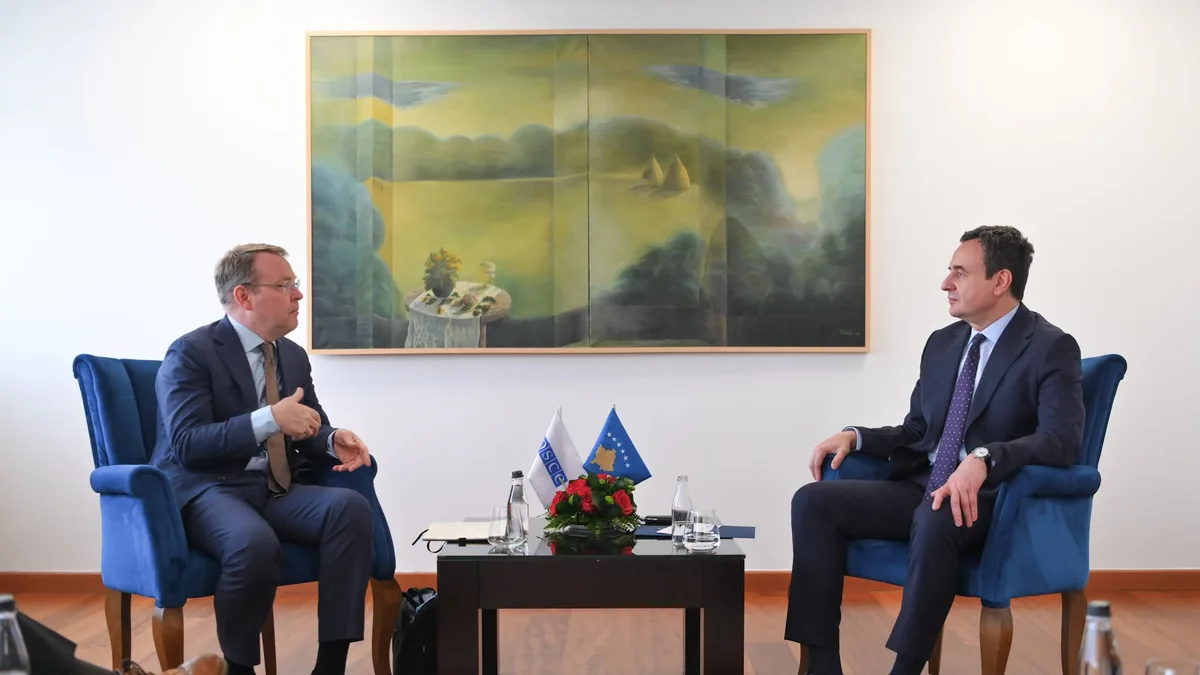
OSCE High Commissioner on National Minorities Christoph Kamp was in Kosovo on Friday, October 9, and met two interlocutors who put very different things in front of him. North Mitrovica Mayor Milan Radojevic spoke about pressure on local self-government, while Kosovo Prime Minister Albin Kurti raised the situation of Albanians in Presevo, Bujanovac and Medvedja in Pristina, two and a half weeks before Serbia’s parliamentary elections on October 25.
What did Radojevic tell the OSCE delegation?
Radojevic was joined in North Mitrovica by his deputy, Adrijana Hodzic. Besides Kamp, the OSCE delegation included Charles Lonsdale, head of section and senior adviser to the High Commissioner, Gerard McGurk, ambassador and head of the OSCE Mission in Kosovo, and Nikolaos Kavalaris Ladis, director of the Mitrovica Regional Center.
According to a statement from the North Mitrovica municipality, Radojevic briefed the OSCE representatives on the “institutional pressures the municipality is facing,” pointing to direct interference by the central authorities in the work of local self-government and the curbing of its powers. The municipality says this has an immediate effect on the work of municipal institutions and on the daily lives of residents.
Radojevic, the same statement says, assessed that the position of Serbs and members of other communities is considerably harder today than before, and asked for a stronger and more visible presence of the international community. Both sides agreed to continue communication and cooperation.
How does the OSCE describe the same conversation?
The description differs in emphasis. In its own statement, as reported by KoSSev, the OSCE says that its talks with Radojevic covered community and rule-of-law issues, with a particular focus on property rights, access to education and the importance of sustained dialogue between central and local institutions. The municipality speaks of pressure from Pristina, the OSCE of dialogue between two levels of government. The same organization says this is Kamp’s second visit to Kosovo this year.
What did Kurti ask for in Pristina?
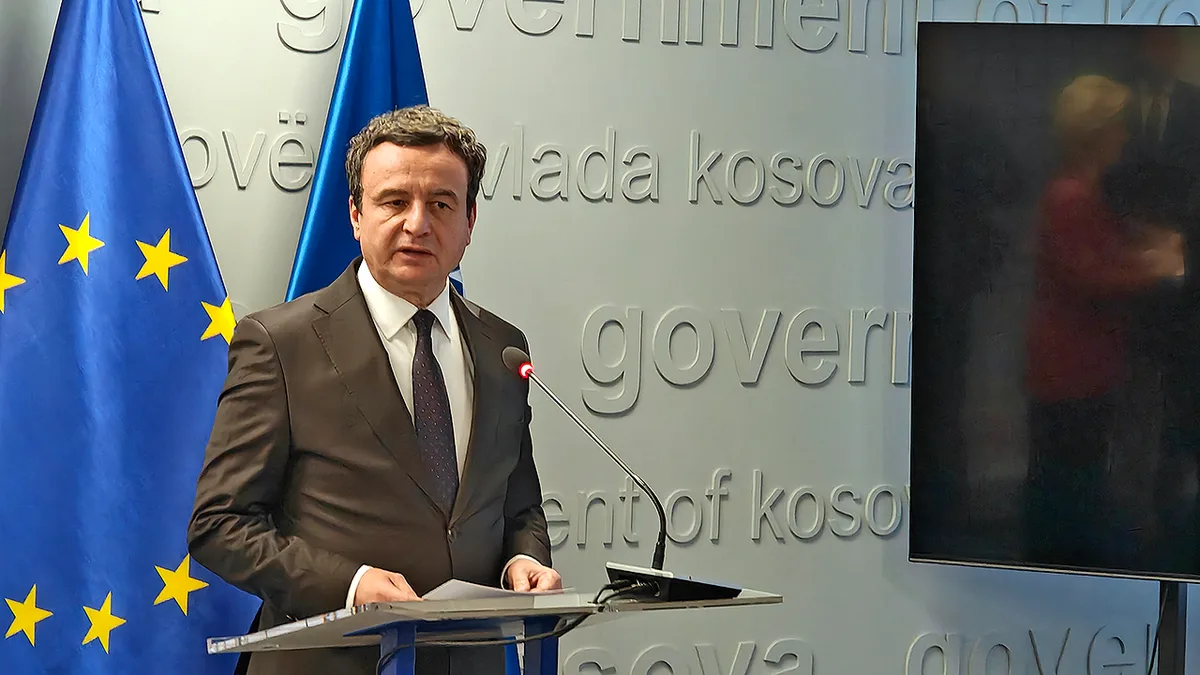
Kamp also met Kurti the same day. After the meeting, Kurti said they discussed community rights, the use of language, education, public services and the enforcement of laws protecting public property, the environment and water resources. He then raised the position of Albanians in Serbia with Kamp, as he put it. He claims they face “systematic discrimination” through the deactivation of registered addresses, obstacles in education and insufficient representation in public institutions.
“I asked for direct engagement and concrete monitoring of these issues: Serbia must meet European standards on the protection of communities, guarantee real equality for Albanians and respect their human and civil rights,” Kurti said.
He added: “Their rights cannot remain hostage to the political will of an autocratic system.”
What does any of this have to do with the elections in Serbia?
The link is direct. On September 29, representatives of eight Albanian political groups from Presevo, Bujanovac and Medvedja agreed in Kurti’s office to run jointly in the October 25 elections. Kurti then called for at least five guaranteed seats for Albanians in Serbia’s National Assembly, modeled on the seats guaranteed to Serbs in the Kosovo Assembly.
Saip Kamberi, president of the Party for Democratic Action and a member of the outgoing Serbian parliament, told the daily Danas that Pristina had not decided in their place:
“It is true that there were consultations with the prime minister of Kosovo and that we had his support for a joint run. But Pristina’s role was not to decide for us,” Kamberi said.
He described the consultations as expected, but with a clear limit: “But consultation is not the same as subordination. Our mandate comes from the citizens of Serbia who live in Presevo, Bujanovac and Medvedja, but also from Albanians across Serbia.”
Kurti’s involvement in the political life of Albanians in southern Serbia drew criticism from Nebojsa Covic, the former president of the Coordination Body for southern Serbia. He objected to the trip by Presevo Mayor Ardita Sinani and Kamberi to New York, where they were part of Kurti’s delegation during the UN General Assembly session.